Address
No.3185 Xizha Rd,Dachuangang, Zhenze,Wujiang,Suzhou,China
Work Hours
24/7 Global Support
Address
No.3185 Xizha Rd,Dachuangang, Zhenze,Wujiang,Suzhou,China
Work Hours
24/7 Global Support
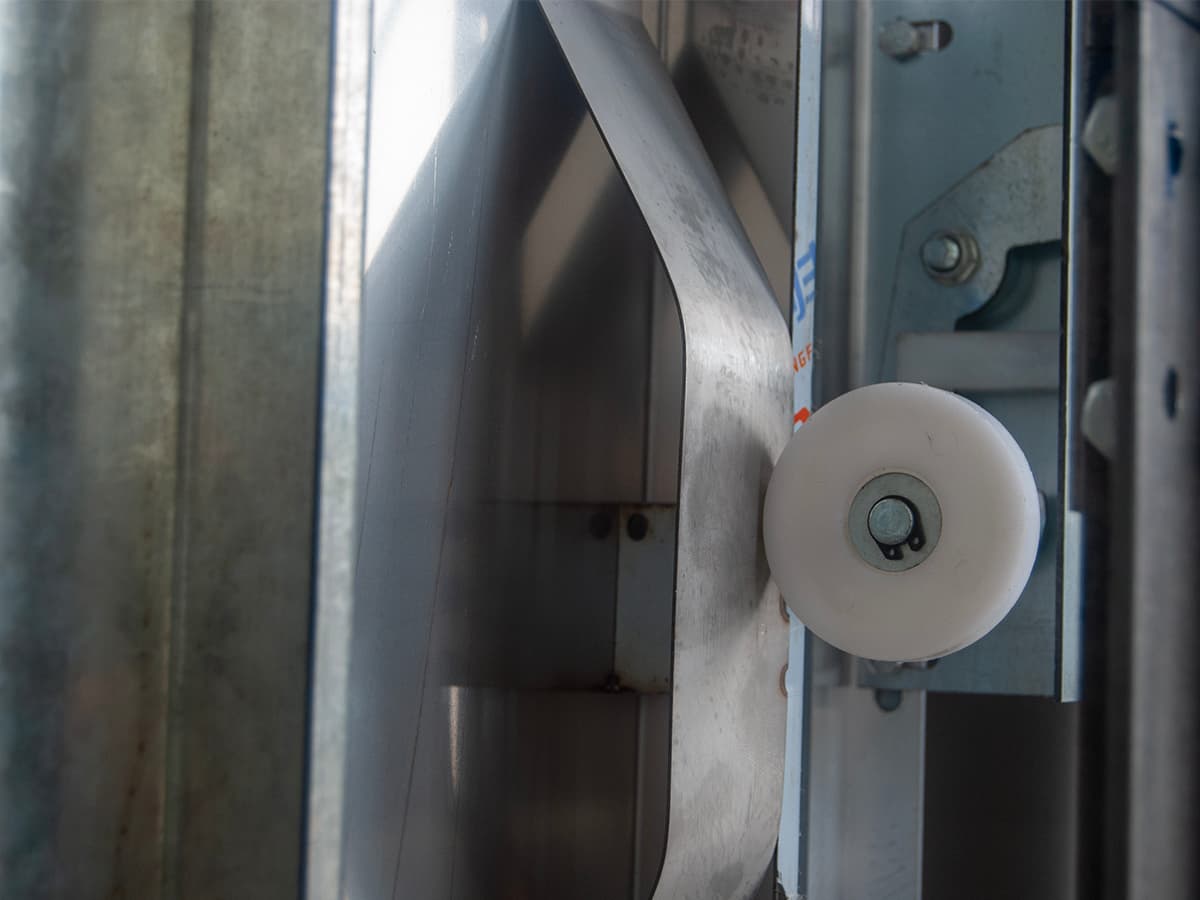
When you install a commercial dumbwaiter in your restaurant, hotel, or multi-level kitchen, speed and convenience are only part of the story. Behind every smooth food delivery is a network of engineered dumbwaiter safety features designed to protect your staff, your customers, and your investment.
Unlike passenger elevators, dumbwaiters transport heavy loads — hot food, glassware, and cleaning chemicals — through tight shafts between floors. Without proper safety systems, a malfunction could cause injuries, property damage, or costly code violations. That is why understanding the safety features of your food lift is not optional; it is essential.
In this guide, we break down the 10 most important commercial food lift safety features every operator should look for, explain the regulations that govern them, and show you how to choose a compliant, reliable unit from a trusted manufacturer like BsiteElevator.
The single most critical dumbwaiter safety feature is the door interlock. An interlock ensures the cab cannot move unless every landing door is fully closed and locked, and the doors cannot open unless the cab is precisely level with that landing.
This prevents the most common dumbwaiter accident: a staff member opening a landing door and stepping into an empty shaft because the car is on another floor. ASME A17.1 and European EN 81 standards both require interlocking devices on every landing.
Every commercial dumbwaiter should have a clearly marked, red emergency stop button at each landing. Pressing it instantly cuts power to the drive and halts the car wherever it is.
In a busy kitchen, spills, dropped items, or trapped hands can happen in seconds. A visible, accessible e-stop gives your team immediate control to halt operation before a minor incident becomes a serious injury.
Overloading a dumbwaiter stresses the motor, cables, and structural components — a leading cause of premature failure. Restaurant dumbwaiter safety systems include an overload sensor that detects when the rated capacity (commonly 50 kg to 500 kg) is exceeded.
When triggered, the unit refuses to move and signals the overload, preventing dangerous operation and extending the life of your equipment. Pair this with clear capacity labels at each landing so staff never guess the limit.
Traction and counterweighted dumbwaiters rely on steel ropes or chains. A broken rope switch detects if a hoisting member fails or loses tension, triggering an automatic safety brake that locks the car in place.
This redundant mechanical safeguard means that even in a worst-case cable failure, the car cannot free-fall. It is a mandatory feature under most food lift safety requirements for commercial installations.
Dumbwaiter safety regulations require upper and lower final limit switches that cut power if the car travels beyond its normal range. These prevent the car from over-running the top or bottom of the shaft and colliding with structural components.
Limit switches act as a backup to the normal floor-positioning controls, adding a second layer of protection against control faults or sensor errors.
A call/send lockout ensures the dumbwaiter can only be operated from one landing at a time. When a user presses send at one floor, all other landings are temporarily locked out until the car arrives and the door cycles.
This prevents two operators from simultaneously commanding the car — a scenario that could trap items or cause confusing, unsafe movement. It also logs which floor initiated each trip for accountability.
Because dumbwaiters pass through fire-rated floor assemblies, the shaft and doors must maintain the building fire separation. Quality units use fire-rated landing doors (typically 60 to 90 minutes) and fire-resistant cab materials.
In many jurisdictions, the dumbwaiter must integrate with the building fire alarm: on alarm, the car returns to a designated landing and the doors open to prevent smoke spread through the shaft. Confirm this with your local dumbwaiter safety regulations before installation.
Power outages happen. An emergency battery lowering system uses a backup battery to drive the car to the nearest landing and release the doors, so staff are never trapped and service can resume quickly once power returns.
This feature is especially valuable in hospitals, care homes, and hotels where uninterrupted service matters and trapped loads create hygiene risks.
Modern commercial food lift safety designs include anti-pinch edges on landing doors and optional infrared sensors that detect obstructions in the doorway. If something blocks the closing door, the system reverses and reopens automatically.
These protect hands, trays, and cables from being caught — a small but meaningful improvement in day-to-day restaurant dumbwaiter safety.
The machinery space, controller, and top-of-shaft inspection panel should be lockable and restricted to authorized maintenance personnel only. This keeps untrained staff away from live electrical components and moving parts.
Combined with a written maintenance log, a secured access panel supports both safety and warranty compliance for your BsiteElevator unit.
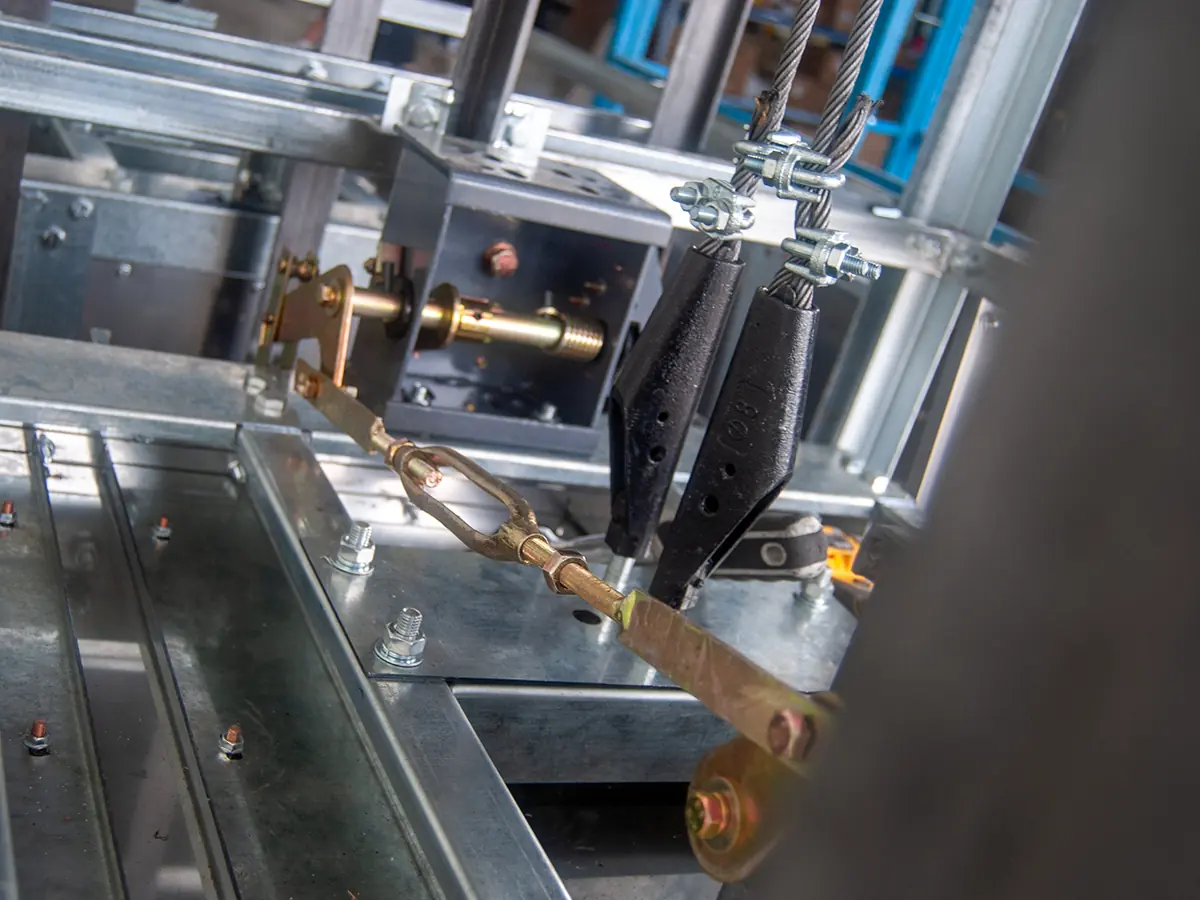
Commercial dumbwaiters are regulated equipment. In the United States, the ASME A17.1 / CSA B44 Safety Code for Elevators governs design and installation, while the ASME A17.3 covers existing installations. In Europe, the EN 81-3 standard applies specifically to dumbwaiters (electric service lifts).
Most regions also require:
Working with a manufacturer that builds to these standards — and supplies the correct documentation — saves you from failed inspections and costly retrofits.
When evaluating suppliers, do not let price override safety. Ask each vendor:
At BsiteElevator, every commercial dumbwaiter is engineered to meet international safety standards, with all ten features above included as standard on our core models. Our team helps you navigate local food lift safety requirements so your installation passes inspection the first time.
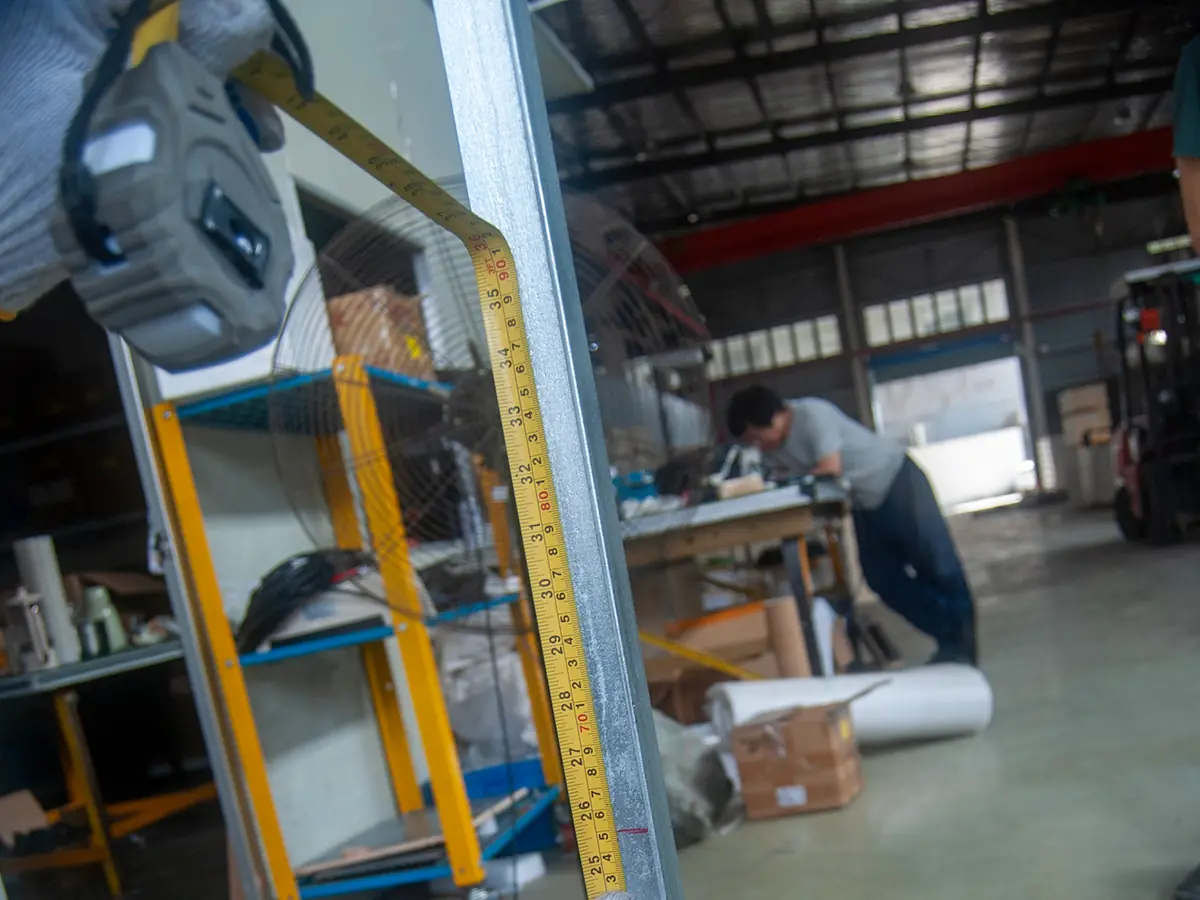
The best time to think about dumbwaiter safety features is before you buy — not after an incident. From door interlocks and emergency stops to fire-rated construction and battery backup, these systems work silently in the background to keep your operation running safely.
Whether you run a neighborhood bistro or a five-star hotel, choosing a unit built to recognized dumbwaiter safety regulations protects your people and your business. Contact BsiteElevator today for a safety-compliant dumbwaiter quote tailored to your building, capacity, and local code.


[…] commercial dumbwaiter safety features article covers each system in detail. Never skip permits—inspectors will check interlocks and […]
[…] level and quiet after hundreds of thousands of cycles. This is the single most important thing a dumbwaiter safety system depends […]
[…] a dumbwaiter’s life. It pairs with our maintenance guide (what to check regularly) and our safety features article (what protects […]
[…] and what test reports a buyer should always request. It pairs with our manufacturing guide and our safety features […]
[…] full list is in our safety features article — confirm every item before accepting any […]
[…] our control panel guide and dumbwaiter safety features article for the full list of protective devices a modern unit should […]
[…] Major manufacturers such as OTIS publish safety principles worth reading before you specify. Our dumbwaiter safety features guide covers the must-have protections. Lock the car when cleaning and train staff on the emergency […]
[…] Industry leaders such as OTIS publish safety guidance that also applies to small service lifts. Our dumbwaiter safety features guide lists the protections to look for when […]
[…] recognised lift safety practice such as ASME A17.1 and, in Europe, the EU Lifts Directive. Our dumbwaiter safety features guide lists the must-haves. For a healthcare-specific deployment view, ServLifts’ hospital […]
[…] — it is the difference between a lift your insurer accepts and one it does not. See our safety features guide for the must-have […]
[…] Is it safe? Interlocking doors, overload protection and emergency stop — see our safety guide. […]
[…] that penetrate fire compartments. Required in many commercial and multi-tenant buildings. See our dumbwaiter safety features guide for the related […]
[…] focused reference, ServLifts’ dumbwaiter load capacity guide is a useful companion read. Our safety features guide lists the […]
[…] Dumbwaiter Buying Guide: How to Choose the Right ModelCommercial Dumbwaiter Safety Features: What Every Restaurant Owner Should KnowCommercial Dumbwaiter Types: Window-Type, Floor-Type & Chain-Driven ComparedCommercial […]
[…] No stair-carrying of heavy totes means fewer strain injuries — see our safety features guide. […]
[…] the car is docked, which is the core safety behaviour for any office building dumbwaiter. See our dumbwaiter safety features guide for the […]
[…] A dumbwaiter still needs interlocking doors, overload protection and emergency stop — see our safety features guide. For a deeper passenger comparison, ServLifts’ dumbwaiter vs passenger elevator guide is a […]
[…] Commercial Dumbwaiter Safety Features: What Every Restaurant Owner Should KnowCommercial Dumbwaiter Buying Guide: How to Choose the Right ModelCommercial Dumbwaiter Types: Window-Type, Floor-Type & Chain-Driven ComparedHow a Quality Commercial Dumbwaiter Is Built: From Workshop to Load Test […]
[…] interlocks must work at low temperature, because a stiff mechanism can defeat a safety switch. Our safety features guide explains what to […]