Address
No.3185 Xizha Rd,Dachuangang, Zhenze,Wujiang,Suzhou,China
Work Hours
24/7 Global Support
Address
No.3185 Xizha Rd,Dachuangang, Zhenze,Wujiang,Suzhou,China
Work Hours
24/7 Global Support
A practical home dumbwaiter guide covering capacity, size, drive, doors, installation, cost and code. Learn what a residential dumbwaiter needs first.
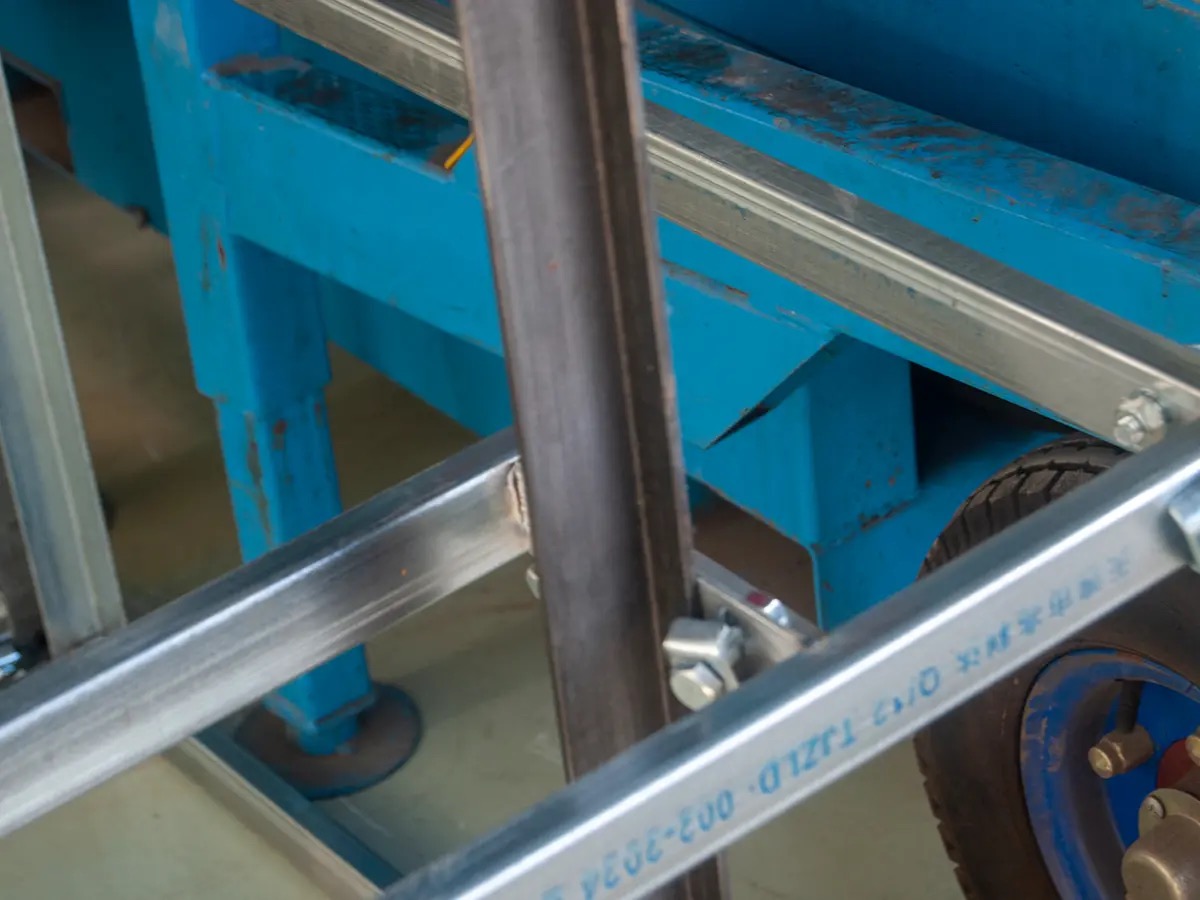
A home dumbwaiter is one of the smartest upgrades a multi-floor house, villa or townhouse can make. It quietly carries meals, groceries, laundry and supplies between floors so you stop hauling heavy loads up and down the stairs. This guide covers everything a homeowner needs before buying one: capacity, car size, drive system, doors, installation space, power, safety, cost and the codes that apply. By the end you will know exactly what to specify when you talk to a supplier.
A home dumbwaiter is a small freight elevator built for a residence rather than a restaurant or hotel. Typical home units move 20 to 100 kg (44 to 220 lb) between two or three floors through a narrow shaft tucked into a wall, closet or cabinet run. Unlike a passenger elevator, a home dumbwaiter is not for people. It is a labor-saving device for objects. Owners use them to send food from a kitchen to a dining room upstairs, deliver firewood, carry laundry, or shift tools and supplies in a garage apartment or studio.
Because a home dumbwaiter handles goods only, it can be far smaller, simpler and cheaper than a people-carrying lift, while still removing a surprising amount of daily physical strain. The concept is not new. Dumbwaiters have served restaurants and hotels for over a century. What has changed is that compact, quiet drives now make them practical for ordinary homes.
The appeal of a home dumbwaiter is rarely about luxury. It is about removing repetitive effort. Carrying a loaded tray up a staircase is awkward and risky; doing it several times a day adds up. A dumbwaiter turns that chore into a button press. Families with young children, aging parents, or multi-generational layouts find them especially useful, as do anyone working from a home studio or running a small food business from the house.
They also protect the home itself. Fewer trips with heavy boxes means fewer scuffed walls, fewer dropped items, and less wear on stairs and knees.
Homeowners often ask whether they need a dumbwaiter or a full residential elevator. The answer depends on whether people will ride. If you only move things, a home dumbwaiter is the right tool. If a family member needs to ride, you need a passenger elevator.
| Factor | Home Dumbwaiter | Residential Elevator |
|---|---|---|
| Carries | Goods only | People |
| Typical load | 20 to 100 kg | 250 to 400 kg |
| Shaft footprint | 400 to 600 mm | 1,000 to 1,500 mm |
| Installed cost | $2,000 to $12,000 | $20,000 to $60,000 plus |
| Code class | ASME A17.1 / EN 81-3 | ASME A17.1 / EN 81-20 |
| Best for | Meals, laundry, supplies | Mobility, accessibility |
For most villas and townhouses that simply want to stop carrying trays and baskets upstairs, the home dumbwaiter is the better return on investment.
Match the car to what you actually move. A home dumbwaiter that is too small becomes a daily annoyance. One that is too large wastes shaft space and money.
| Load | Typical car (W x D) | Common use |
|---|---|---|
| 20 to 30 kg | 300 x 300 mm | Tea, documents, small items |
| 40 to 50 kg | 400 x 400 mm | Meals, groceries, laundry |
| 75 to 100 kg | 500 x 500 mm | Firewood, cases, tools |
| 100 to 150 kg | 600 x 600 mm | Bulk supplies, equipment |
For a typical family home, a 40 to 50 kg home dumbwaiter covers kitchen, laundry and general cargo without demanding a large shaft.
The drive is the heart of any home dumbwaiter. Three systems dominate residential units:
Both traction and screw run on ordinary household power and sit quietly enough for a living space. If you want the full picture on motors and controls, our electric dumbwaiter drive guide breaks down each system. For a deeper look at residential configurations and real installations, the team at ServLifts publishes a detailed home dumbwaiter guide worth reading before you specify.
A home dumbwaiter needs a door at every landing, and the door type shapes both safety and looks:
Automatic doors cost more than manual ones but improve daily convenience. Whichever you pick, the doors must interlock so the car cannot move while a landing is open.
The most popular spot for a home dumbwaiter is a kitchen-to-dining run, but the possibilities are wider:
Because the shaft is narrow, a home dumbwaiter can slip into a closet, a built-in cabinet, or a corner of a stairwell without reshaping the room.
Plan the shaft early. A home dumbwaiter needs a continuous vertical chase from the lowest to the highest landing, plus a small machinery space at the top. In new builds this is easy. In existing homes it is often routed through a closet or a dedicated cabinet column.
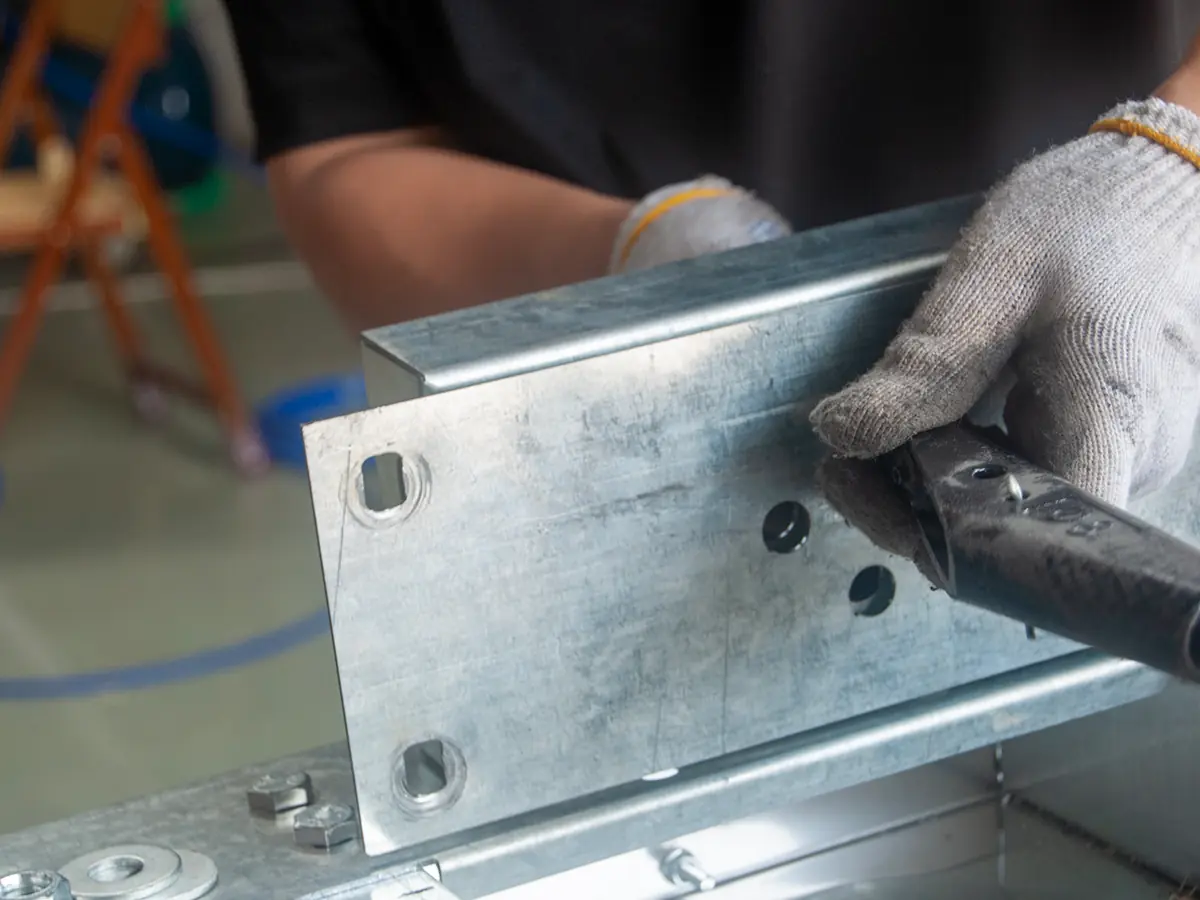
Footprints usually start around 450 to 600 mm. Our dumbwaiter shaft size guide shows how to measure the space you need, and the step-by-step installation checklist walks through the build sequence. For a retrofit, the biggest variable is how easily a chase can be created between floors. A closet stacked across two levels is often the simplest route.
Most residential units run on single-phase 220V household power, so no special supply is required. Operation is deliberately simple:
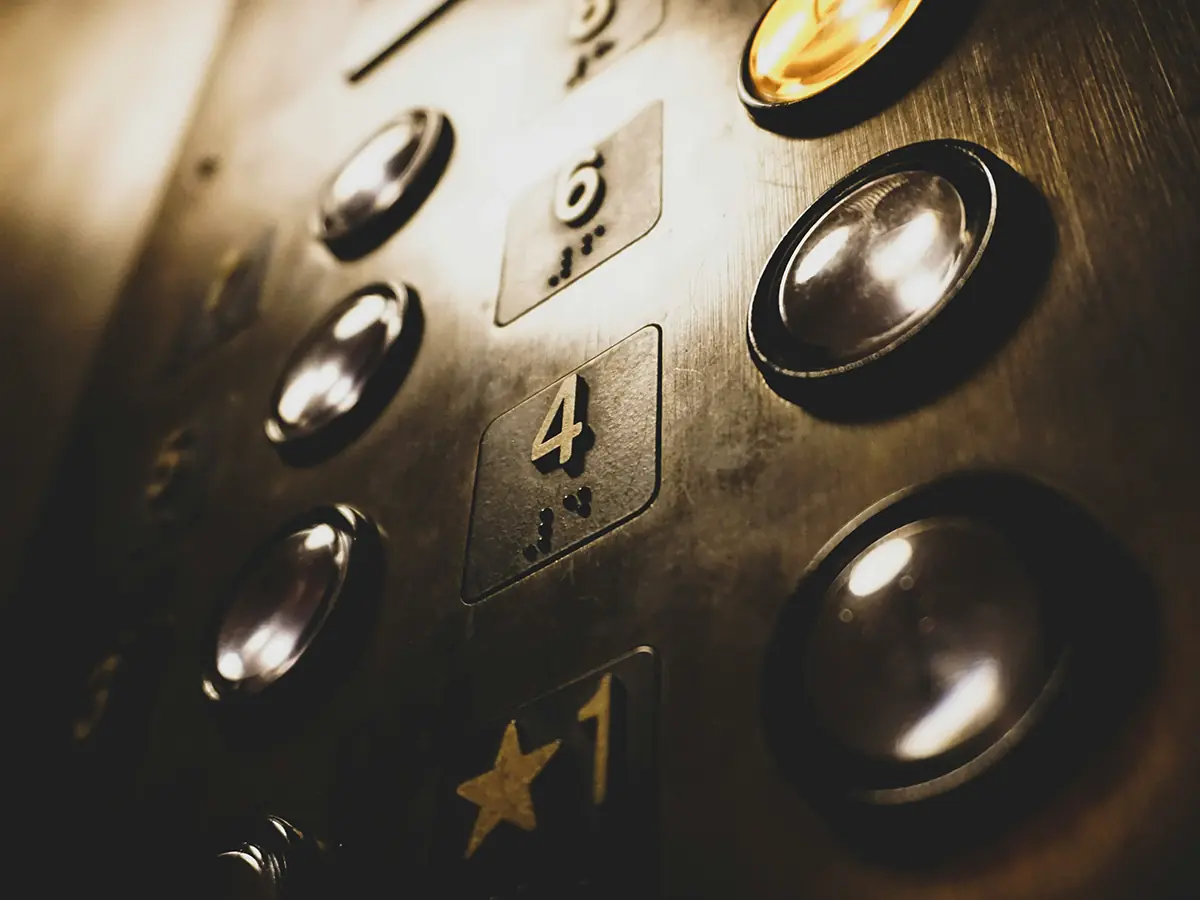
See our control panel guide and dumbwaiter safety features article for the full list of protective devices a modern unit should include.
Installed pricing for a home dumbwaiter typically lands between $2,000 and $12,000. Drivers include the number of floors, car size, door automation, cabin finish and local labor. A basic two-stop manual unit sits at the low end. A three-stop automatic unit with a finished cabinet lands at the high end. Our 2026 dumbwaiter cost breakdown explains each line item so you can budget accurately.
Watch for two costs that are easy to forget. First, the shaft build-out if your home needs one. Second, the finishing around each landing, which blends the unit into your cabinetry. Both are usually modest but worth confirming in the quote.
A home dumbwaiter is a regulated machine. In the United States, dumbwaiters fall under the ASME A17.1 safety code. In the European Union they are covered by the EU Lifts Directive and must carry CE marking. Many regions also reference major elevator manufacturers’ recognized standards for components. Always confirm the exact rules with your local authority before construction.
Before you request a quote, lock down these points for your home dumbwaiter:
Our dumbwaiter types overview and complete buying guide expand each of these points and help you brief a supplier with confidence.
Can a home dumbwaiter carry people?
No. A home dumbwaiter is built for goods only and must never be ridden. If you need to move people, specify a residential elevator instead.
How many floors can it serve?
Most residential units serve 2 to 3 floors comfortably. Traction and screw drives both handle this range well.
Will it work during a power cut?
Many units include a manual lowering handle so the car can be brought to a landing safely without power.
Does it need a machine room?
A small top space is required for the motor and controller, but it is far smaller than a passenger elevator machine room.
Is a home dumbwaiter noisy?
Modern traction and screw drives are quiet enough for a living space. Most noise is a soft hum at the top machinery location.
How long does installation take?
A straightforward two-stop retrofit usually takes 1 to 2 weeks once the shaft is prepared, longer for custom cabinetry.
A home dumbwaiter pays for itself in saved time and safer carrying long before it pays back in dollars. Get the load, size, drive and door right, confirm your local code, and you will have a device the whole household uses every single day.


[…] service lift for trays and linen so the two streams never mix. For single-residence needs, our home dumbwaiter guide covers the smaller domestic […]