Address
No.3185 Xizha Rd,Dachuangang, Zhenze,Wujiang,Suzhou,China
Work Hours
24/7 Global Support
Address
No.3185 Xizha Rd,Dachuangang, Zhenze,Wujiang,Suzhou,China
Work Hours
24/7 Global Support
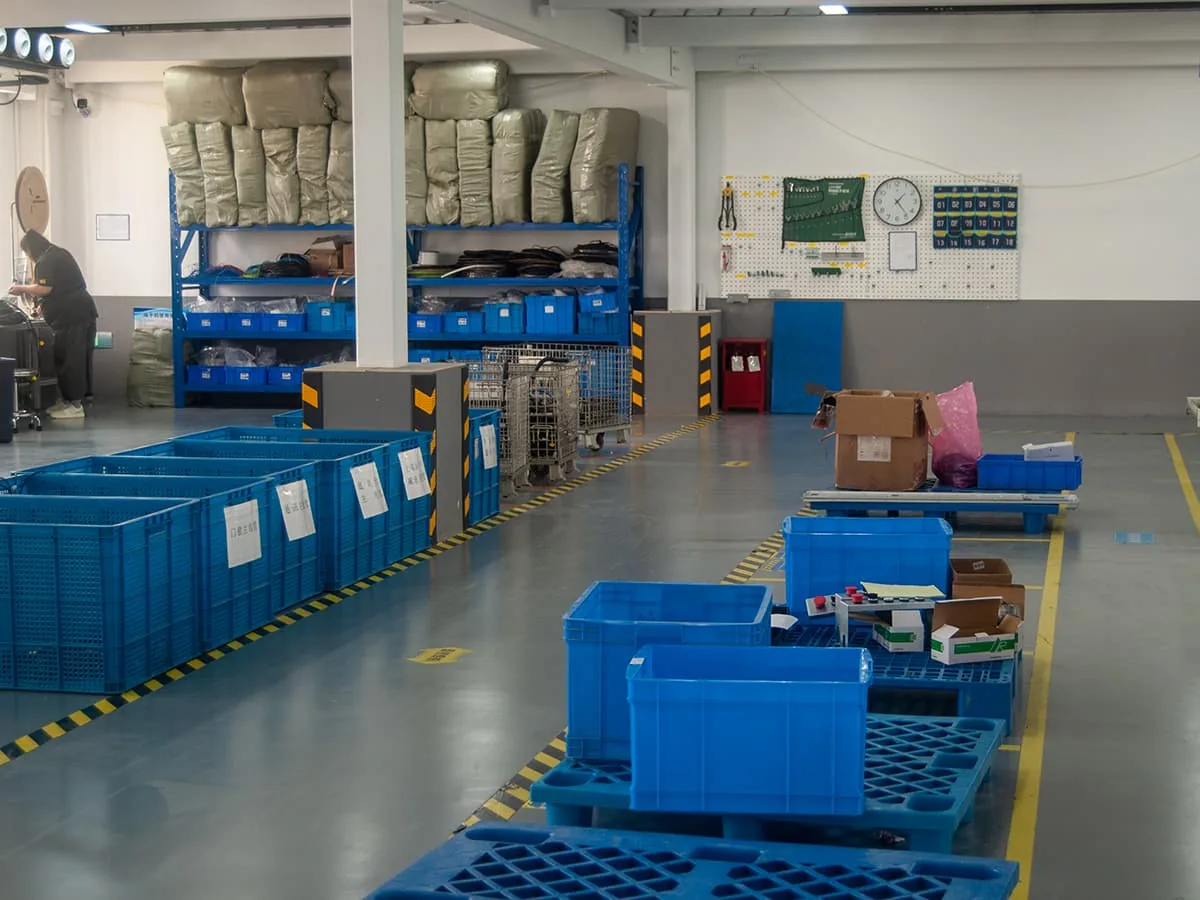
A cold storage dumbwaiter is built to run inside or beside a chiller or freezer, moving food and supplies without opening the cold room to warm air. Standard lifts fail fast in sub-zero air, so the unit needs insulation, special seals, and a motor rated for the cold. This guide gives seven essential freezer tips.
We cover insulation, door seals, the drive, defrost, and the layout that keeps energy use down while the lift does its job.
The reason a cold storage dumbwaiter is special is condensation. Warm, humid air meeting cold steel forms ice on rails, doors, and the machine, which jams a standard unit within weeks. A cold storage dumbwaiter is designed so that ice never gets the chance to build.
Without that design, a normal lift in a freezer needs constant defrosting and still breaks down. For non-cold applications, our applications guide covers standard options.
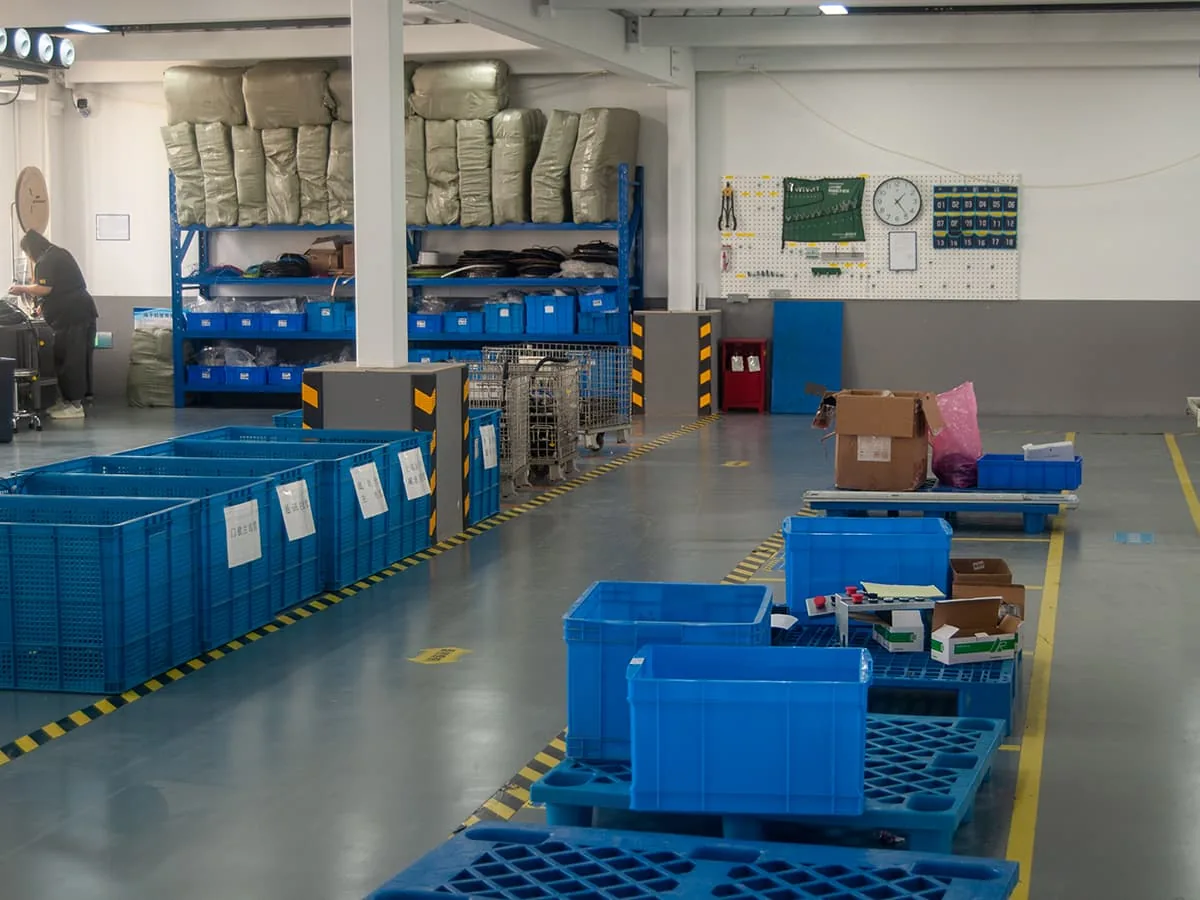
Insulation is the first essential tip. A cold storage dumbwaiter should have an insulated car and, in freezers, a small car heater that keeps the controls above dew point. Without it, the controller ices over and stops responding.
The shaft, too, benefits from insulation on the warm side, which also protects the building. A well-insulated cold storage dumbwaiter uses far less energy than a bare unit fighting condensation.
Second, the landing doors need cold-rated gaskets that stay flexible below zero. Ordinary rubber cracks in a freezer and lets warm air in. A cold storage dumbwaiter with the right seals keeps the cold room tight between trips.
Our dumbwaiter door types article lists configurations that hold up in harsh conditions.
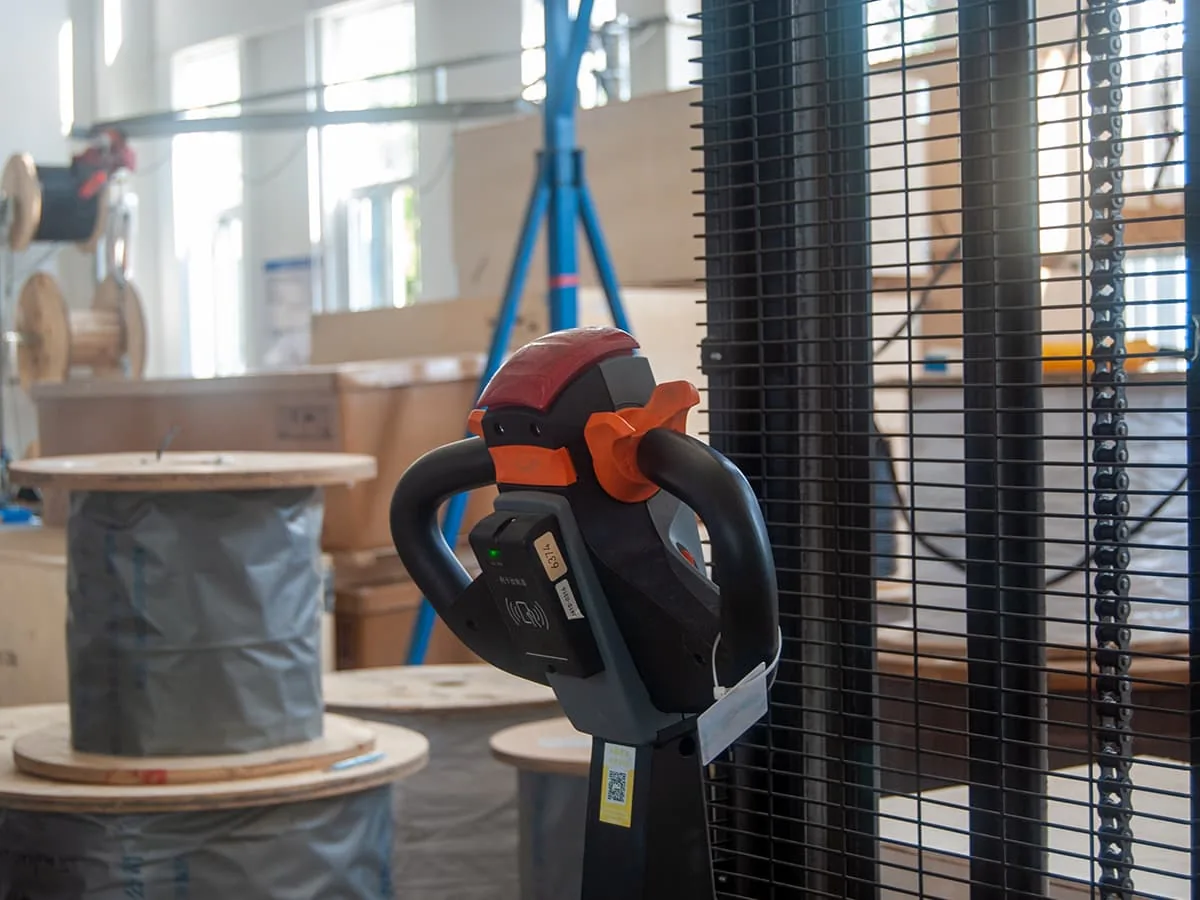
Third, the motor and drive must be rated for the operating temperature. A cold storage dumbwaiter in a freezer needs components specified to minus 25 C or lower, not standard industrial grades. The controller should also sit in the warmest accessible point.
Fourth, interlocks must work at low temperature, because a stiff mechanism can defeat a safety switch. Our safety features guide explains what to verify.
Fifth, plan a defrost cycle for the shaft and a drain for melt water. A cold storage dumbwaiter in a chiller still sees occasional condensation, and that water must go somewhere safe. Sixth, keep the pit dry with a sump or graded floor.
Seventh, service it more often in cold duty, because seals and heaters are the parts that fail first. A short cold-storage check every few months prevents most breakdowns.
No. A standard unit ices up within weeks. A cold storage dumbwaiter needs insulation, a car heater, cold-rated seals, and a low-temperature drive.
A purpose-built freezer unit is rated to about minus 25 C; a chiller unit handles 0 to 10 C. Match the rating to the room, not the building average.
A well-insulated cold storage dumbwaiter uses little extra energy, because the heater and insulation actually reduce the lift’s fight against condensation.
A cold storage dumbwaiter is the only safe way to move goods into chillers and freezers. Specify insulation, cold-rated seals, a low-temperature drive, and a defrost plan. For the surrounding build, review our shaft size guide and the dumbwaiter installation guide 2026 from our partner.