Address
No.3185 Xizha Rd,Dachuangang, Zhenze,Wujiang,Suzhou,China
Work Hours
24/7 Global Support
Address
No.3185 Xizha Rd,Dachuangang, Zhenze,Wujiang,Suzhou,China
Work Hours
24/7 Global Support
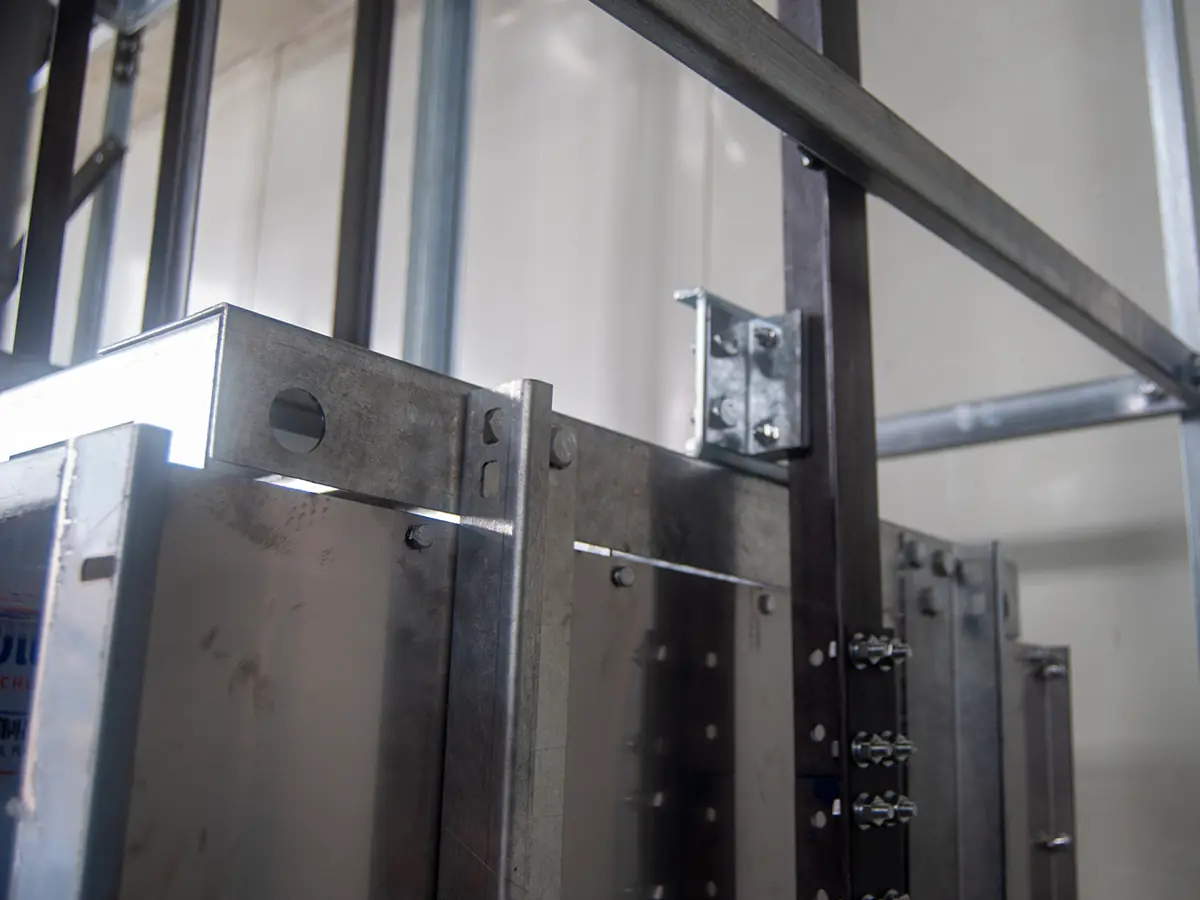
A commercial dumbwaiter is a workhorse. In a busy restaurant or hotel it can make hundreds of trips a day, carrying hot plates, glassware, and cleaning supplies between floors. Like any mechanical system, it needs regular care to keep running safely and efficiently.
Skipping dumbwaiter maintenance leads to the same problems you see in neglected vehicles: slower operation, strange noises, safety faults, and eventually a breakdown that halts service during your peak hours. A simple, scheduled care routine prevents most of these issues and extends the life of your unit by years.
In this guide, we walk through a practical dumbwaiter care plan — daily, monthly, and annual tasks — plus the warning signs that mean it is time to call a technician. Whether you run a café or a five-star hotel, these steps will keep your food lift reliable.
Most daily dumbwaiter servicing takes less than five minutes and can be built into your closing routine:
These small habits are the single biggest factor in long-term dumbwaiter reliability.
On a weekly or monthly schedule, add a slightly deeper inspection:
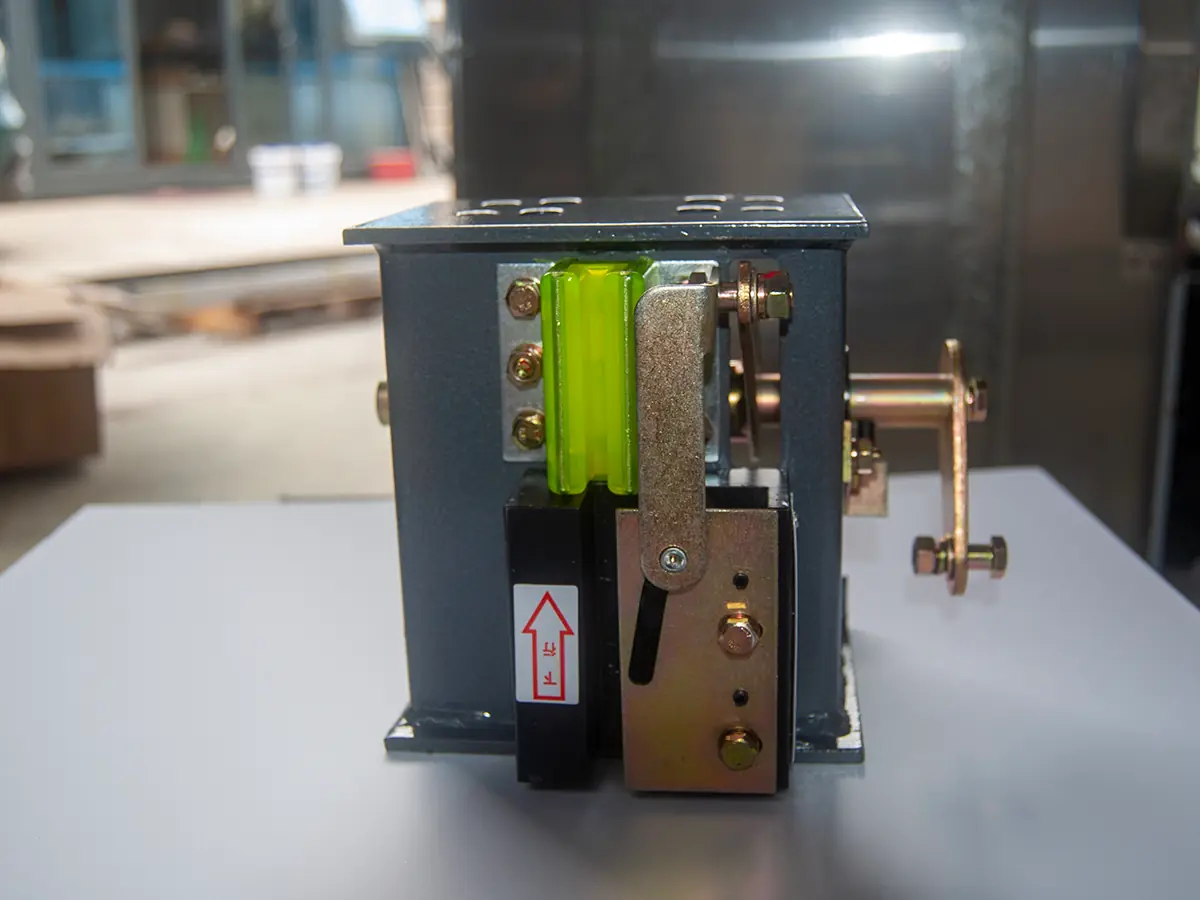
Some dumbwaiter maintenance tasks should only be performed by a qualified technician:
Keep a written dumbwaiter maintenance log. It protects your warranty, speeds up insurance claims, and proves compliance during health and safety audits.
Dumbwaiter cleaning is about more than appearance — it is a food-safety requirement. Follow these rules:
Call a technician if you notice any of these dumbwaiter repair warning signs:
Do not operate the unit until it has been inspected. A small fault caught early is a cheap fix; ignored, it becomes a safety incident.
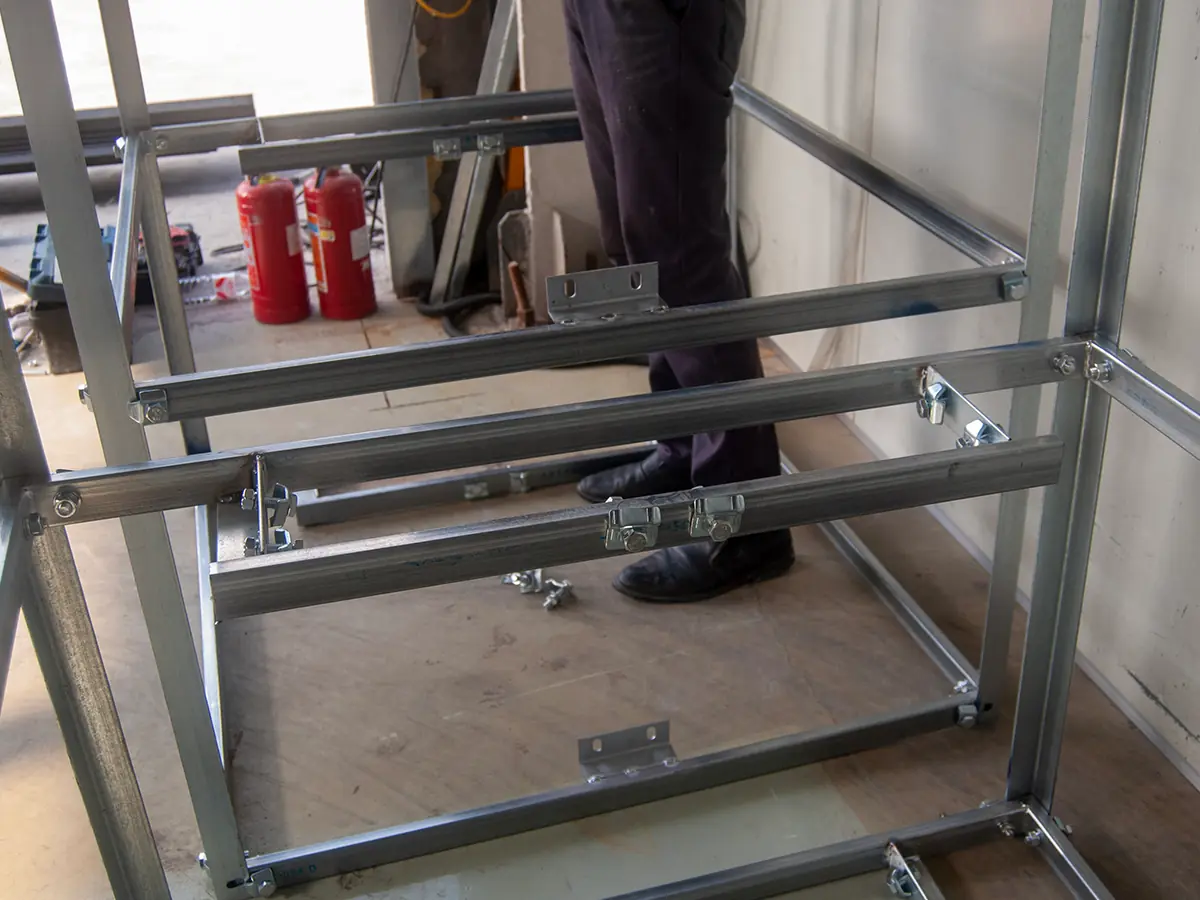
Here is a simple template you can copy into your staff handbook:
| Frequency | Task | Owner |
|---|---|---|
| Daily | Wipe cab, clear sill, check doors & e-stop | Closing shift |
| Weekly | Test interlocks, lubricate rails, inspect ropes | Kitchen lead |
| Quarterly | Full safety test by technician | Service provider |
| Annual | Certified inspection & report | Service provider |
Every BsiteElevator commercial dumbwaiter ships with a maintenance manual and access to our technical team. We supply spare parts (ropes, controllers, door operators, boards) and can arrange scheduled servicing to keep your unit compliant with local dumbwaiter safety regulations.
Not sure what your unit needs? Contact BsiteElevator with your model and serial number and we will send a tailored dumbwaiter maintenance plan and a servicing quote.
Good dumbwaiter maintenance is mostly habit: a daily wipe-down, a monthly inspection, and an annual certified check. Do that, and your food lift will serve your business reliably for a decade or more. Treat it as part of your kitchen routine, not an afterthought.


[…] it must be accessible only to authorized technicians and kept dry, ventilated, and dust-free. Our maintenance guide covers the simple checks you can do without opening […]
[…] to do in an emergency, and the mistakes that shorten a dumbwaiter’s life. It pairs with our maintenance guide (what to check regularly) and our safety features article (what protects […]
[…] Periodic maintenance visits — brake, inverter, door contacts, and guide wear, on the schedule in our maintenance guide. […]
[…] Periodic maintenance visits — brake, inverter, door contacts, and guide wear, on the schedule in our maintenance guide. […]
[…] Lint management — laundries generate lint; keep the shaft and machine space ventilated and cleaned on the schedule in our maintenance guide. […]
[…] lasts, when to replace rather than repair, and how to source parts you can trust. It pairs with our maintenance guide (the routine that prevents most failures) and our control system explainer (what lives inside the […]
[…] lasts, when to replace rather than repair, and how to source parts you can trust. It pairs with our maintenance guide (the routine that prevents most failures) and our control system explainer (what lives inside the […]
[…] refurbishment, and compare the total against new. For safe daily operation after purchase, read our maintenance guide and the dumbwaiter safe usage guide from our […]
[…] For the surrounding build, see our maintenance guide. […]