Address
No.3185 Xizha Rd,Dachuangang, Zhenze,Wujiang,Suzhou,China
Work Hours
24/7 Global Support
Address
No.3185 Xizha Rd,Dachuangang, Zhenze,Wujiang,Suzhou,China
Work Hours
24/7 Global Support
Dumbwaiter door types explained: 7 smart, essential door and gate styles for safe, quiet service, plus materials, interlocks, installation and cost.
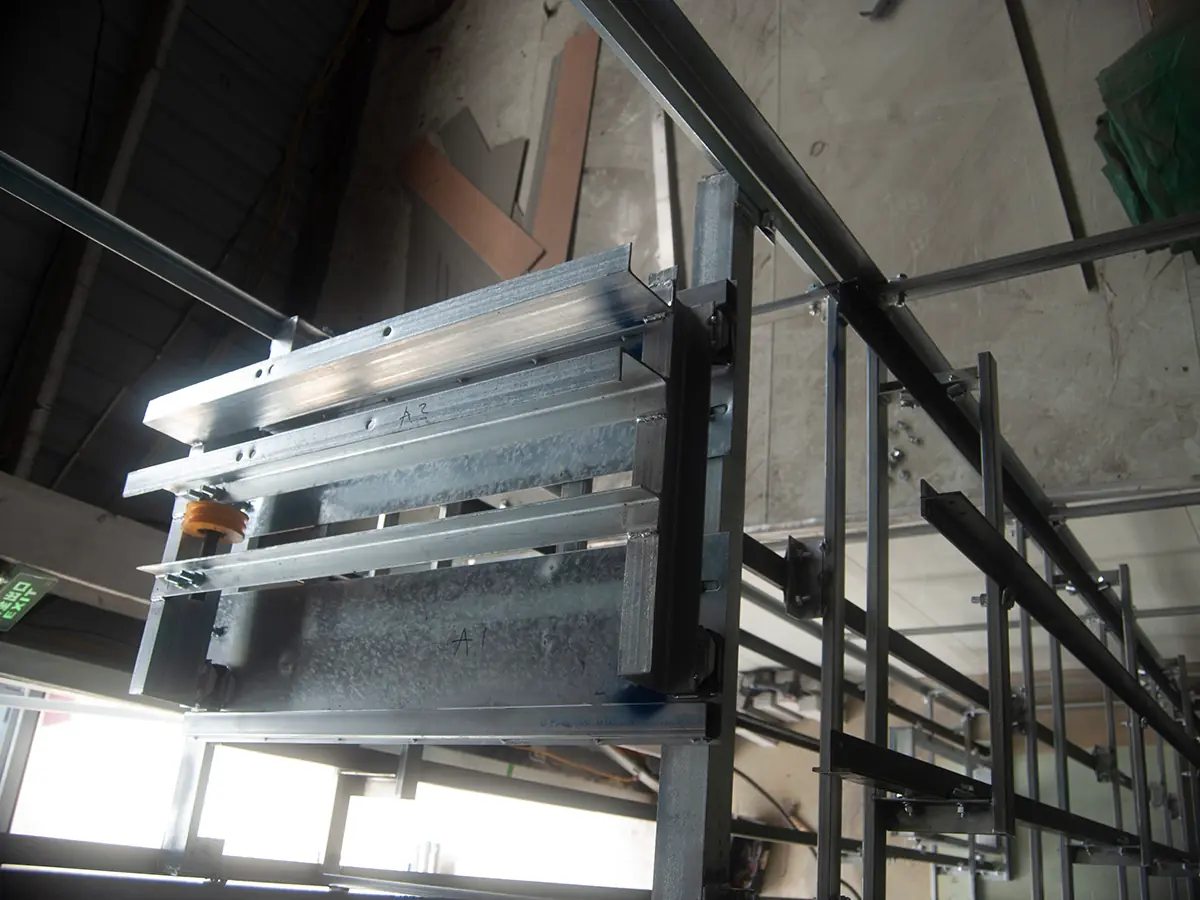
The dumbwaiter door types you choose decide how quietly, safely and quickly your service lift moves goods between floors. Doors are not just an opening — they are the primary safety boundary of a goods-only lift, and the right gate style also shapes traffic flow, hygiene and installation cost. Picking wrong means noisy operation, slow service or a door that fights your workflow.
This guide walks through what dumbwaiter doors are, why they matter, the seven door and gate styles most buyers specify, and the materials, safety, installation and cost factors to weigh before you order.
Dumbwaiter door types describe both the way the door moves and the level of automation at each landing. A manual collapsible gate slides open by hand; an automatic bi-parting door opens and closes on a motor. Every type shares one rule: the door can only open when the car is docked at that landing, enforced by an electromechanical interlock. Beyond that, styles differ in speed, seal, hygiene and price.
Doors affect three things daily: safety, speed and cleanliness. A slow manual gate adds seconds per trip and invites users to prop it open; an automatic door keeps the car sealed, quiets the corridor and speeds throughput. In food or lab routes, a tight-sealing door also protects the load from dust and pests. Choosing the right dumbwaiter door types is therefore a workflow decision, not just a cosmetic one.
The classic scissor-gate that folds to the side. Lowest cost, proven, and easy to service, but it is manual and leaves a partly open mesh when parked. Best for low-traffic back-of-house routes.
One panel slides horizontally, often motorised. A good mid-price automatic option for corridors where swing clearance is tight.
Two panels split and retract upward/sideways on a motor — the most common automatic choice for restaurants and offices because it seals fully and opens fast.
Panels move vertically and tuck away, ideal where side clearance is minimal. Common in tight shafts and retrofits.
A simple swing door, cheap and robust, but it needs landing clearance to open. Suited to low-cycle storage moves.
Tempered glass panels for front-of-house or show-kitchen lifts where the car is on display. More expensive and needs careful cleaning.
A door built to a fire-resistance rating for shafts that penetrate fire compartments. Required in many commercial and multi-tenant buildings. See our dumbwaiter safety features guide for the related must-haves.
| Door style | Best for | Automation |
|---|---|---|
| Collapsible gate | Low-traffic back of house | Manual |
| Single-speed sliding | Tight corridors | Auto |
| Bi-parting | Restaurants, offices | Auto |
| Vertical bi-parting | Tight shafts, retrofits | Auto |
| Hinged | Storage moves | Manual |
| Glass | Show kitchens | Auto |
| Fire-rated | Fire-compartment shafts | Auto/Manual |
Specify 304 stainless steel for any door touching food, pharma or clean linen — it wipes down fast and resists corrosion. Powder-coated steel is fine for dry office or archive routes. In hygiene-sensitive builds, add a sealed sill and rounded door-frame corners so crews can sanitise quickly.
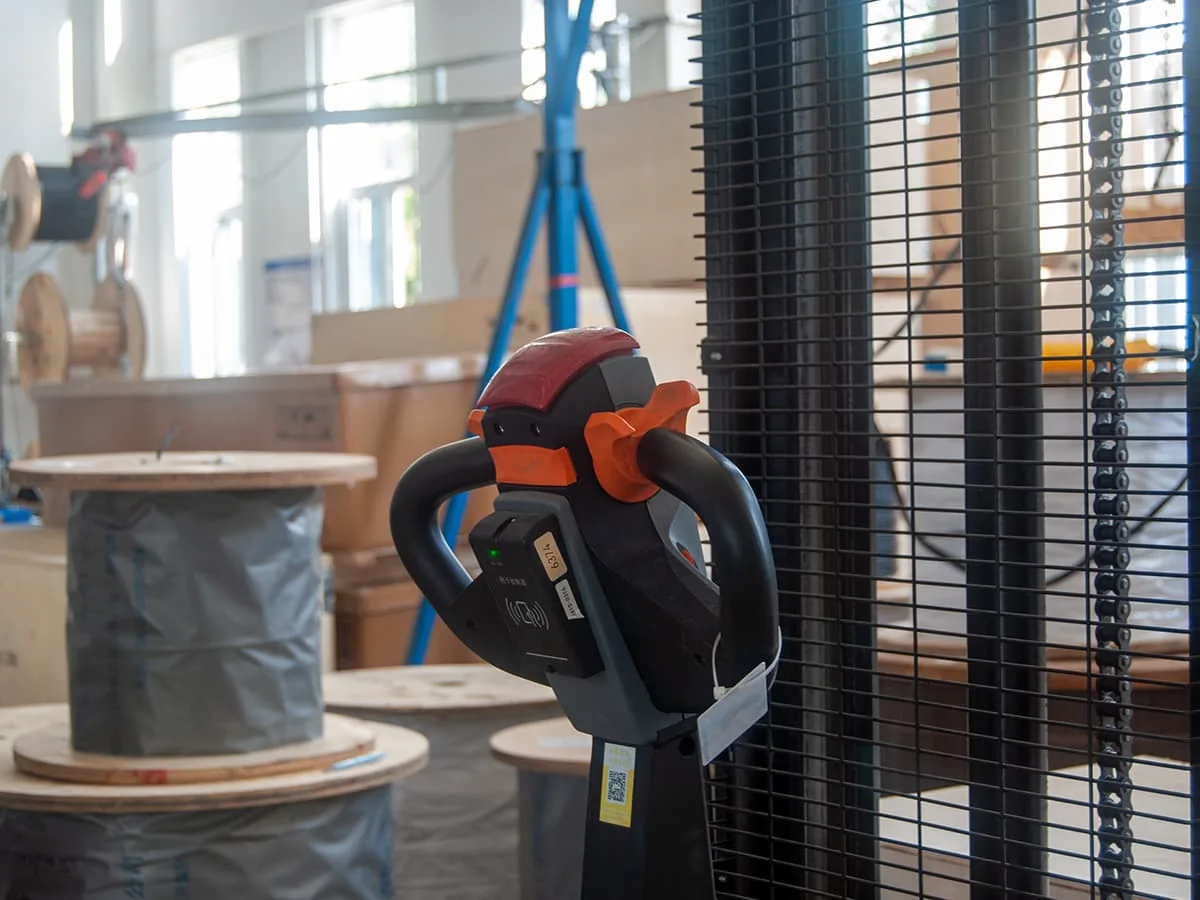
The interlock is the heart of door safety: it electrically prevents the car from moving unless every landing door is closed and locked, and prevents any door from opening unless the car is present. Overload protection, an emergency stop and a manual lowering handle round out the core set. Our installation checklist covers how interlocks are commissioned on site.
Automatic doors need power and a small controller at each landing; manual gates need only the interlock. Confirm side or overhead clearance before you measure — our dumbwaiter shaft size guide explains the envelope. A traction or electric drive pairs naturally with automatic doors for a smooth, quiet cycle.
Manual gates are the cheapest; automatic bi-parting and glass doors add cost through motors, controllers and finishing. Fire-rated doors add the most because of certification and heavier construction. Budget door style as part of the full car-and-drive package rather than as a separate line item.
Passenger elevators use heavier, fully automatic door systems rated for people. A dumbwaiter door types selection is lighter, goods-rated and far cheaper — you do not need passenger-grade doors for trays and boxes. Browse commercial dumbwaiter types to see how door style pairs with car design.
Look for interlocking doors, overload protection and certified construction referenced to recognised standards such as ASME A17.1 and, in Europe, the EU Lifts Directive. Established manufacturers such as Otis publish door-safety guidance worth benchmarking. For a broader selection view, ServLifts’ dumbwaiter selection guide is a useful companion read.
Which door is quietest? A motorised bi-parting or vertical door with soft start/stop is quietest; manual gates are silent but slower.
Do I need automatic doors? Only if you want speed, sealing and hands-free operation; low-traffic routes can use a manual gate.
Are glass doors safe? Yes, with tempered glass and the same interlocks as steel doors, though they cost more and need cleaning.
When is a fire-rated door required? When the shaft crosses a fire compartment in a commercial or multi-tenant building — check local code.
Can I mix gate styles per landing? Usually yes for manual vs automatic on different floors, but confirm with the builder during shaft planning.
Choosing among dumbwaiter door types comes down to traffic, hygiene and budget: manual gates for low cycles, automatic bi-parting for busy kitchens and offices, glass for display, and fire-rated where code demands. Always lead with the interlock, then match material to the route. For a fuller buying picture, pair this guide with our commercial dumbwaiter types and the ServLifts selection reference above.