Address
No.3185 Xizha Rd,Dachuangang, Zhenze,Wujiang,Suzhou,China
Work Hours
24/7 Global Support
Address
No.3185 Xizha Rd,Dachuangang, Zhenze,Wujiang,Suzhou,China
Work Hours
24/7 Global Support
Learn how to use a dumbwaiter safely: call, load, and unload correctly, handle emergencies, avoid common mistakes, and train your staff the right way.

A commercial dumbwaiter looks simple to run — press a button, the car arrives, load it, send it. But how your team uses a dumbwaiter every day determines how long it lasts, how safe it is, and whether food arrives hot or on the floor. Most breakdowns and near-misses trace back not to the machine, but to how people operate it.
This guide is the operator’s manual your staff actually need: how the controls work, how to load correctly, a standard operating procedure, what to do in an emergency, and the mistakes that shorten a dumbwaiter’s life. It pairs with our maintenance guide (what to check regularly) and our safety features article (what protects users).
Operation is a simple loop: someone at a landing presses a call button; the control system checks that all doors are closed and locked; the car travels to the calling floor; the door unlocks; staff load or unload; a new call sends the car away. The logic inside is covered in depth in our control system explainer — for operators, the important part is that the machine only moves when every door is safely closed.
The panel shown above is what staff touch every day. Know each element:
If a button feels sticky or an indicator flickers, report it before the shift gets busy — a small contact fault today is a stalled car tomorrow. That habit alone avoids most operational downtime.
Loading discipline is the single biggest factor in both safety and reliability:
Loading discipline is the heart of safe daily operation — the team at ServLifts covers the same ground in more depth in its dumbwaiter safe usage guide, from weight limits to what to avoid on busy shifts.
Post this five-step routine next to every landing panel:
A written SOP removes guesswork for new staff and seasonal hires — the same people most likely to misuse the lift. Fold it into the one-page training we cover below.
Know what to do before something happens:
These four habits cause the majority of avoidable issues:
Each of these is preventable with the SOP and a two-minute training refresher every quarter.
You do not need an engineer on site to keep the lift healthy. Add these to the routine:
The full maintenance routine — including what a technician should check on the brake, inverter, and door contacts — is in our maintenance guide.
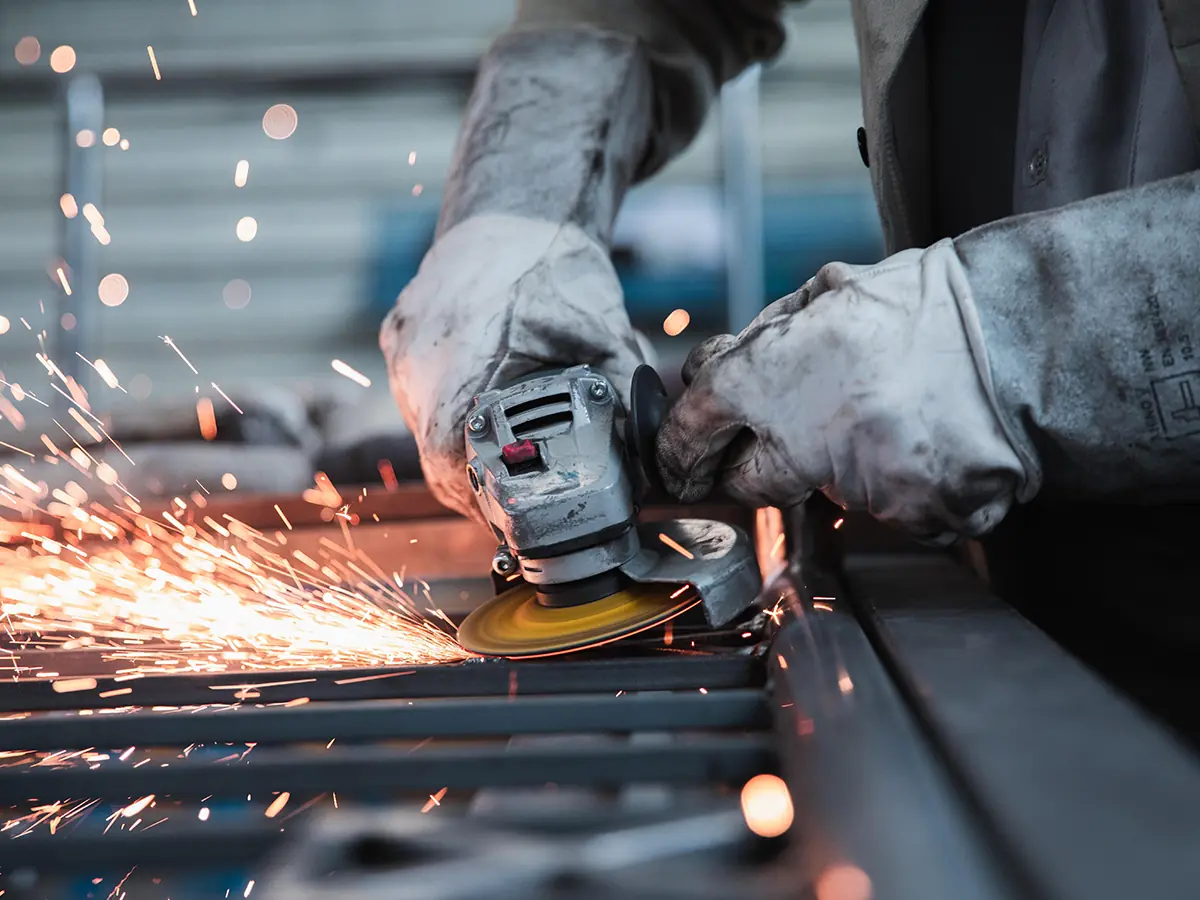
Operation is easier when the machine is built right. Precision-machined guides, aligned frames, and properly finished panels are what make the car level at the landing, the door easy to close, and the buttons consistent. This is why the quality of the manufacturing process shows up in daily operation, not just in the brochure — and why buyers sourcing directly from a factory should verify the machining and assembly quality they are paying for.
Press the call button and wait for the arrival signal, open the door only when the car is present and levelled, load within the rated limit with nothing protruding, send the car, and close the door completely. The car moves only when all doors are closed and locked.
Never overload it, never put body parts or tools through the door plane while the car is away, never force the landing doors, and never ride in the car. Dumbwaiters are freight-only machines.
Intermittent stops usually point to a limit switch, a loose connection, or brake wear — all best diagnosed by a technician from the control cabinet. Stop using the lift and call your service provider; the cause is in the safety or drive chain.
Train every new hire at onboarding with a demonstrated full cycle, and run a two-minute refresher every quarter. Add the SOP sheet next to each panel so seasonal staff can self-check.
A dumbwaiter run well is a quiet workhorse: food moves fast, staff stay safe, and the machine lasts. Call correctly, load sensibly, follow the five-step routine, and report faults early — those four habits keep a commercial dumbwaiter running smoothly for a decade. And when you are ready to install one of your own, our installation guide and buying guide cover the rest of the journey.


[…] Keep a short daily checklist: clear the car, confirm doors latch, and report any unusual noise. Our dumbwaiter operation guide has the full […]
[…] A daily check of the door latch and a quick wipe of the car keeps the lift ready for service. Our dumbwaiter operation guide has the full […]
[…] testing and supports spare parts. Our electric dumbwaiter guide explains drive options, and our operation guide covers daily use and […]