Address
No.3185 Xizha Rd,Dachuangang, Zhenze,Wujiang,Suzhou,China
Work Hours
24/7 Global Support
Address
No.3185 Xizha Rd,Dachuangang, Zhenze,Wujiang,Suzhou,China
Work Hours
24/7 Global Support
Office building dumbwaiter guide: 9 smart reasons modern offices install a service lift for mail, files, coffee and supplies, plus capacity, drive, doors and cost.
An office building dumbwaiter is a small, non-ridable service lift that quietly moves mail, files, office supplies, coffee and IT equipment between floors without putting them — or your staff — on the passenger elevator. In a busy multi-floor office, it turns a slow, disruptive walk into a few seconds of automated transport, and it keeps people lifts free for visitors and employees who actually need to ride.
This guide explains what an office building dumbwaiter is, why more property managers and tenants are installing one, the nine reasons it pays off, and the capacity, drive, door, installation and cost factors you should specify before you buy.
An office building dumbwaiter is a vertically travelling, goods-only lift with a stainless-steel or powder-coated car that serves two or more landings. In an office it typically connects the mailroom or loading dock on the ground floor with floors above, so couriers’ parcels, stationery, archived boxes and pantry restocks move without clogging the passenger elevator. Cars are sized for totes, document crates, coffee urns and AV cases rather than people.
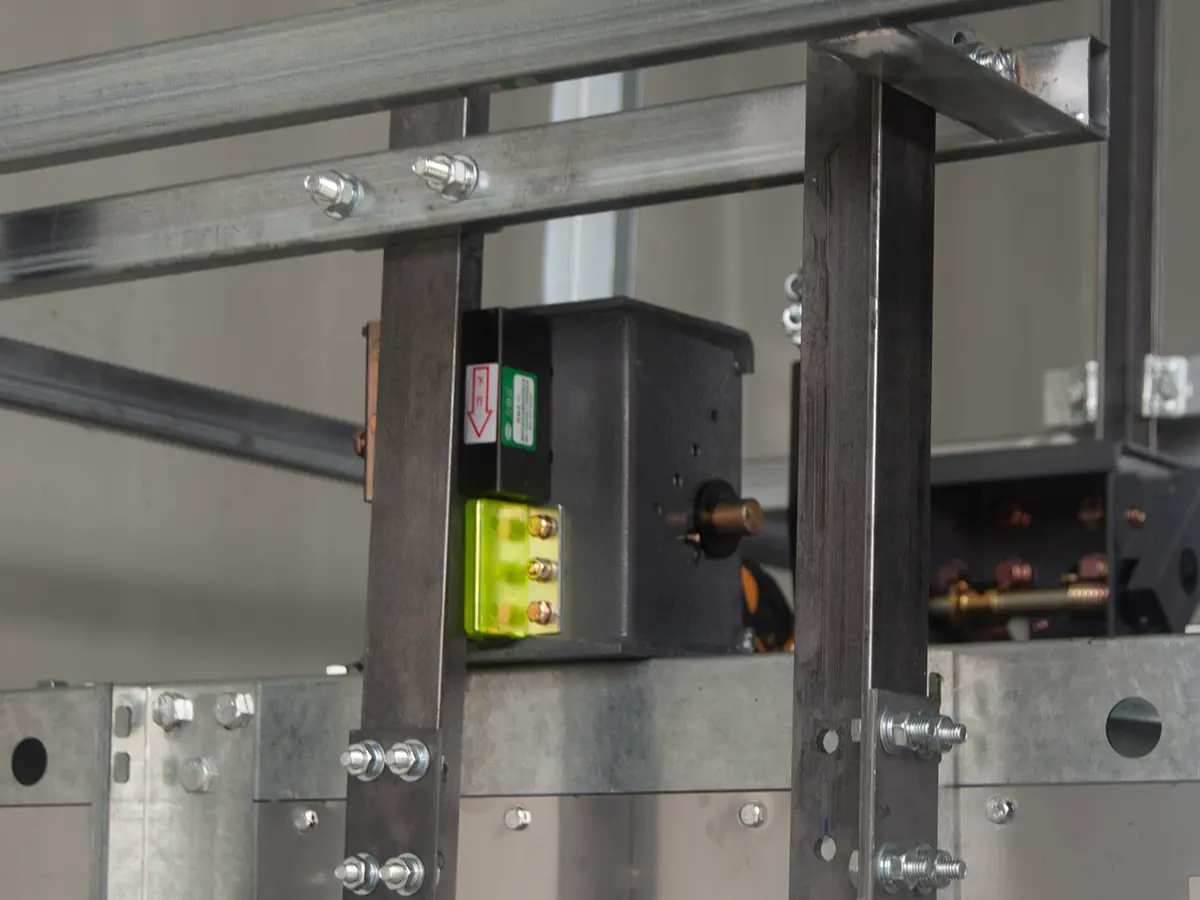
Modern units use a traction or electric drive that runs smoothly and quietly, with interlocking doors that cannot open unless the car is present — the same safety logic found in passenger lifts.
Three pressures push office buildings toward a dedicated service lift. First, parcel volumes have exploded with e-commerce and hybrid-work deliveries, and every box now rides the same elevators as your tenants. Second, staffing for portering and internal logistics is expensive, so manual carrying between levels is hard to justify. Third, green-building and wellness certifications reward efficient, low-energy building services. An office building dumbwaiter answers all three: it removes parcel and supply traffic from passenger lifts, cuts labour, and draws only a trickle of standby power between calls.
When mail carts and water-cooler refills stop using the passenger lift, wait times drop for employees and visitors. That small daily friction disappears — a real win for tenant satisfaction.
A dedicated car moves a full tray of incoming mail or a stack of courier boxes from dock to floor in seconds, so reception is not buried in packages by 10 a.m.
Hauling archive boxes or printer paper up stairs is a classic back-injury source. An office building dumbwaiter eliminates most of that lifting, supporting safer workplaces and lower absenteeism.
Open-plan offices need calm. Traction drives run with low noise and vibration, so a scheduled supply run will not disrupt meetings or calls on the floor above.
From coffee beans to catering trays, a lift keeps break rooms replenished without a visible parade of trolleys through the lobby.
A locked or access-controlled car can move confidential files and servers between the data closet and ground-floor services without hand-carrying sensitive hardware through public areas.
Call buttons, a simple send key and clear floor indicators mean any team member can use the lift after a short briefing — no specialised licence required for routine operation.
Quality units sit in a low-power standby between calls and wake instantly, so they are ready at 8 a.m. and still efficient at 7 p.m. without a noticeable energy bill.
Against the ongoing cost of additional portering labour, a one-time office building dumbwaiter investment pays back through saved hours and fewer injury claims — a point we return to in the cost section.
Most office units sit between 50 kg and 150 kg. A 100 kg car comfortably holds several document crates or a coffee urn; larger floors with centralised mailrooms may prefer 150 kg. Car footprint is usually 600×600 mm to 800×800 mm.
| Need | Recommended capacity | Typical car size |
|---|---|---|
| Mail, small parcels, stationery | 50–80 kg | 600×600 mm |
| Standard floor supply runs | 100 kg | 700×700 mm |
| Centralised mailroom, archive boxes | 150 kg | 800×800 mm |
Match capacity to your busiest single trip, not the average, so peak delivery never waits on the lift.
A traction or electric drive uses a motor and counterweight/gearing to move the car with precise, soft starts and stops. For office calm, that smoothness matters more than raw speed. Hydraulic drives are an alternative for very heavy loads but add a small plant room and slower cycle times. Most office buildings choose traction for the quieter ride and machine-room-less footprint.
| Element | Office recommendation |
|---|---|
| Door type | Bi-parting or single automatic, interlocking |
| Access control | Call buttons + optional key/code for document car |
| Landing indication | Position arrow + arrival chime (low volume) |
| Sill | Stainless, flush, trip-free threshold |
Interlocks guarantee a door opens only when the car is docked, which is the core safety behaviour for any office building dumbwaiter. See our dumbwaiter safety features guide for the must-haves.
A dedicated shaft is ideal, but many retrofits use a self-supporting structure beside a stairwell or in a service riser. Allow roughly 1,000–1,200 mm of clear shaft width for an 800 mm car. Review our dumbwaiter shaft size guide and the installation checklist before you measure.
Installed price typically lands in the same band as other light commercial units: a 100 kg, two-to-three stop traction car often runs in the low-to-mid four figures ex-works, with installation, shaft build and import duties on top depending on region. See our 2026 commercial dumbwaiter cost guide for a fuller breakdown.
| Scope | Indicative cost driver |
|---|---|
| Car + drive (ex-works) | Capacity, stops, materials |
| Shaft / structure | New build vs retrofit |
| Installation & commissioning | Local labour, access |
| Compliance paperwork | Inspection & sign-off |
A freight elevator carries heavy loads and sometimes operators; an office building dumbwaiter carries small goods only and is far cheaper to install and run. Most offices do not need a full freight car — a service lift handles parcels, pantry stock and files at a fraction of the cost, while the passenger lift stays for people.
Look for interlocking doors, overload protection, emergency stop, and a manual lowering handle. Design should reference recognised lift safety practice such as ASME A17.1 and, in Europe, the EU Lifts Directive. Leading manufacturers such as Otis publish safety guidance worth benchmarking. For a broader selection view, ServLifts’ dumbwaiter installation guide is a useful companion read.
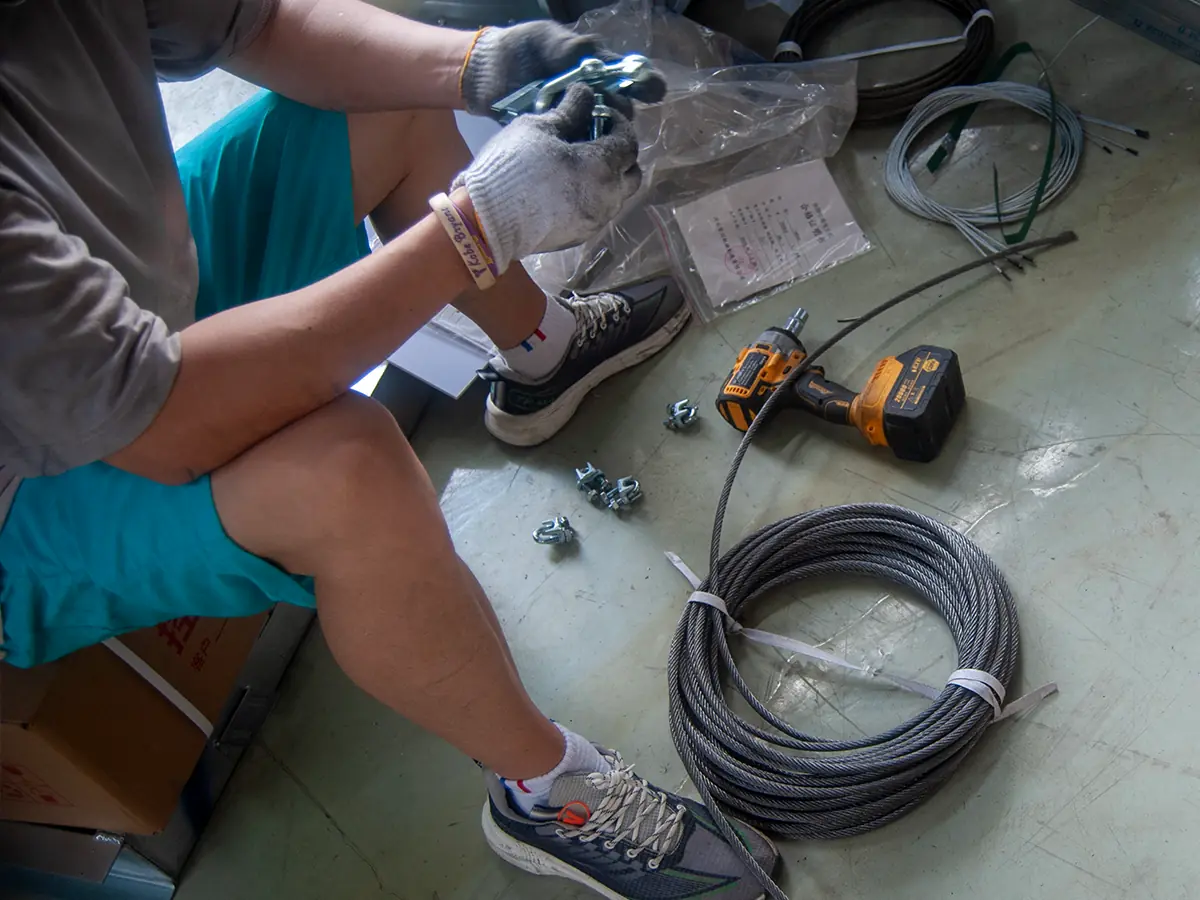
A reliable office building dumbwaiter starts with certified materials, machined car frames and documented assembly, then passes load and safety testing before it ships. Our how-a-quality-dumbwaiter-is-built walkthrough shows the workshop-to-load-test process.
Can employees ride in the office dumbwaiter? No. It is a goods-only service lift; people use the passenger elevator.
How noisy is it? A traction drive is quiet enough for office floors; specify low-volume chimes if sound sensitivity is a concern.
What capacity do most offices need? 100 kg covers typical mail and supply runs; choose 150 kg for a centralised mailroom.
Does it need a machine room? Many traction units are machine-room-less; confirm during shaft planning.
How do I keep it secure? Use an access-controlled car for confidential files and IT equipment, and limit landing access to authorised floors.
An office building dumbwaiter is one of the highest-return upgrades a multi-floor office can make: it frees passenger lifts, speeds mail and supply flow, protects staff, and supports a calmer workplace — all while drawing minimal standby power. Start with capacity and shaft space, choose a quiet traction drive, and plan doors by access need. For selection detail, pair this guide with our commercial dumbwaiter types and maintenance guide above.