Address
No.3185 Xizha Rd,Dachuangang, Zhenze,Wujiang,Suzhou,China
Work Hours
24/7 Global Support
Address
No.3185 Xizha Rd,Dachuangang, Zhenze,Wujiang,Suzhou,China
Work Hours
24/7 Global Support
Dumbwaiter vs elevator: 7 key differences in capacity, speed, cost, installation and code. Learn when to choose a goods-only service lift instead of a passenger elevator.
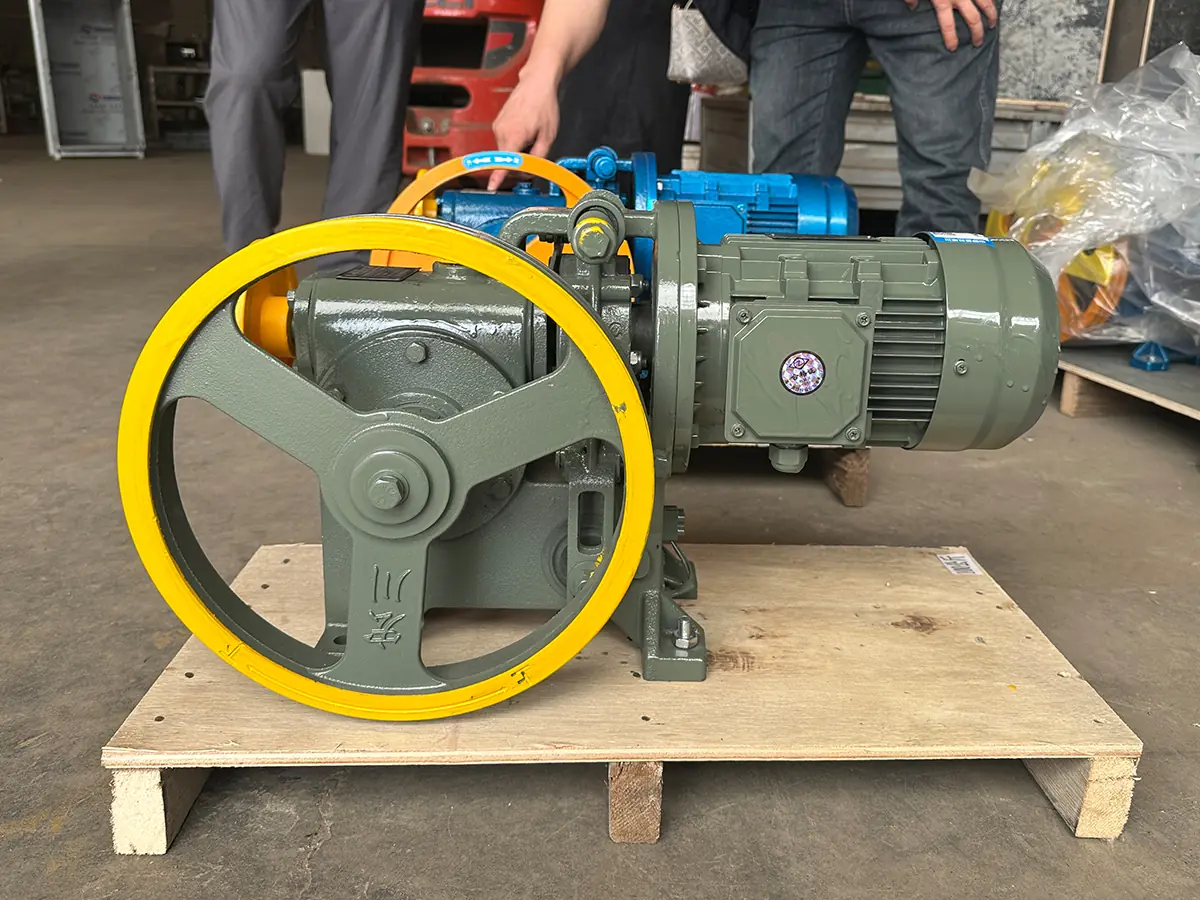
Choosing between a dumbwaiter vs elevator comes down to one question: do you need to move people, or goods? A dumbwaiter is a small, non-ridable service lift for trays, tools and supplies; a passenger elevator carries people. Picking wrong means overspending or failing code. This guide breaks down the seven differences so you can specify with confidence.
A dumbwaiter (also called a service lift or food lift) is a vertically travelling, enclosed car that moves goods only — meals, linen, files, parts. A passenger elevator is built to carry people safely between floors, with a larger car, rated capacity in persons, and stricter life-safety systems. See our dumbwaiter types guide and our applications overview for more.
A dumbwaiter carries goods; an elevator carries people (and goods). This single fact drives every other difference.
Dumbwaiters are small — typically 50–250 kg and 600×600 to 800×900 mm cars. Elevators start where dumbwaiters stop, sized for passengers and wheeled loads.
Dumbwaiters run 0.3–0.6 m/s for short hops; elevators travel faster over taller runs.
A dumbwaiter is a fraction of an elevator’s installed cost — see our cost guide.
Dumbwaiters fit a narrow shaft or self-supporting frame; elevators need a full dedicated shaft and machine space.
Dumbwaiters use call buttons and a send key; elevators use full passenger controls and door protection.
Both follow lift safety practice, but elevators carry far more life-safety requirements because people ride them.
| Factor | Dumbwaiter | Passenger Elevator |
|---|---|---|
| Carries | Goods only | People + goods |
| Capacity | 50–250 kg | 320 kg+ (persons) |
| Car size | 600–900 mm | 1100 mm+ wide |
| Speed | 0.3–0.6 m/s | 1.0 m/s+ |
| Shaft | Narrow / self-supporting | Full dedicated shaft |
| Installed cost | Low–mid four figures | Five–six figures |
| Best for | Trays, linen, files, parts | Staff, residents, visitors |
Choose a dumbwaiter when the load is goods: restaurant and cafe service, bar glassware, bakery trays, hospital supplies, home use, senior care, library archives, pharmacy samples or school canteens. They are the efficient answer for goods movement.
Choose a passenger elevator when people must travel: staff, residents, visitors, wheelchair users. Never put people in a dumbwaiter — it is unsafe and non-compliant. For shaft planning or our buying guide, we cover the goods side in depth.
A dumbwaiter typically costs a small fraction of a passenger elevator once you include shaft, machine room and life-safety systems. For goods-only routes, a dumbwaiter is almost always the better spend.
Dumbwaiters install in a compact shaft or a self-supporting frame beside stairs or in a service riser; many are machine-room-less. Passenger elevators need a full shaft, counterweight space and compliance sign-off. Plan early with our installation checklist.
Both should follow recognised lift safety practice such as ASME A17.1 and, in Europe, the EU Lifts Directive. A dumbwaiter still needs interlocking doors, overload protection and emergency stop — see our safety features guide. For a deeper passenger comparison, ServLifts’ dumbwaiter vs passenger elevator guide is a useful companion.
Can people ride a dumbwaiter? No — it is goods-only and unsafe for riders.
Is a dumbwaiter cheaper than an elevator? Yes, often by an order of magnitude installed.
Can a dumbwaiter replace a freight elevator? For trays and totes yes; for pallets and assisted loads, use a freight elevator.
Which drive is best? A traction or electric drive suits most goods routes.
How do I size one? Match capacity to your busiest single trip; see shaft size and testing guidance.
The dumbwaiter vs elevator decision is simple: people ride elevators, goods ride dumbwaiters. For any goods-only route — kitchen, lab, library, care home or canteen — a dumbwaiter is faster to install and far cheaper to run. When people must travel, specify a passenger elevator and keep the two streams separate.