Address
No.3185 Xizha Rd,Dachuangang, Zhenze,Wujiang,Suzhou,China
Work Hours
24/7 Global Support
Address
No.3185 Xizha Rd,Dachuangang, Zhenze,Wujiang,Suzhou,China
Work Hours
24/7 Global Support
Dumbwaiter code requirements explained: ASME A17.1, EN 81 and EU Lifts Directive, what inspectors check, load testing, documentation and regional notes for a compliant install.
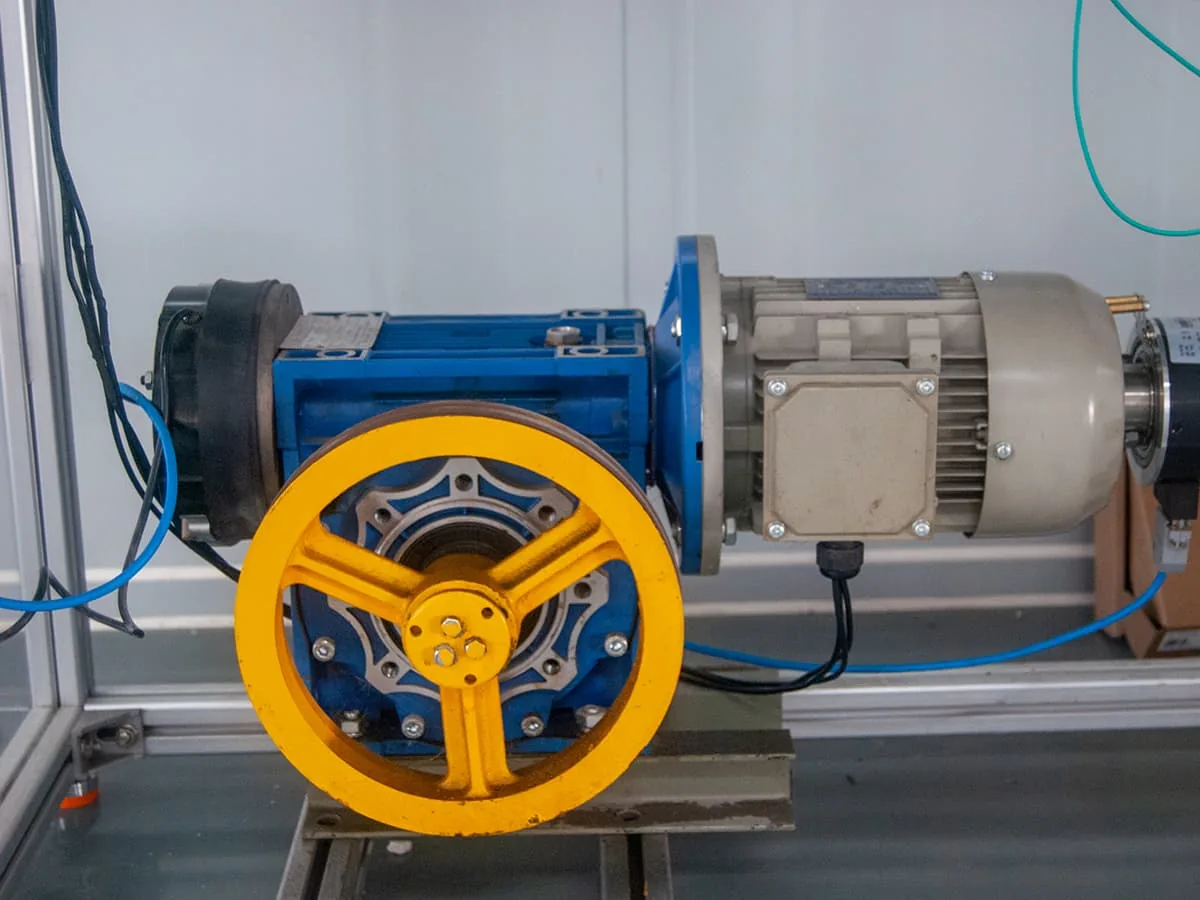
Before you specify or install a dumbwaiter, you need to understand the rules that keep it safe. A dumbwaiter code requirements overview helps buyers ask the right questions and helps installers deliver a compliant, inspectable lift. This guide covers the standards that matter, what inspectors check, the paperwork you should keep, and how to stay on the right side of local building codes.
A dumbwaiter is a machine with a moving car, a counterweight or drive, and doors that open into occupied spaces. Done wrong, it is a crush and fall hazard. Done to code, it is a safe, quiet workhorse. Compliance is not optional paperwork — it is the difference between a lift your insurer accepts and one it does not. See our safety features guide for the must-have hardware.
The two reference points most buyers meet are:
Other markets reference local adoptions of these or their own national codes. The principle is consistent: interlocking doors, reliable braking, overload protection and documented testing.
| Item | What they look for |
|---|---|
| Door interlocks | Door opens only when car is docked; no manual defeat |
| Overload protection | Car will not run above rated load |
| Emergency stop | Accessible stop that halts the drive |
| Manual lowering | Means to bring car down on power loss |
| Clearances & guarding | No pinch points at landings |
| Electrical | Correct wiring, grounding, labeling |
A proper commissioning includes a static and dynamic load test at or above rated capacity, plus a function test of every safety device. Our testing and inspection guide walks through factory and annual checks. Keep a record of each test — inspectors and insurers will ask.
Always confirm the adopting code with your local authority having jurisdiction (AHJ). Some regions require a registered professional to sign off; others accept manufacturer declarations. Do not assume one country’s approval transfers — verify before import. For installation practice detail, ServLifts’ 2026 dumbwaiter installation guide is a useful companion.
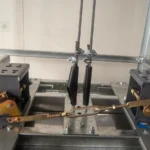
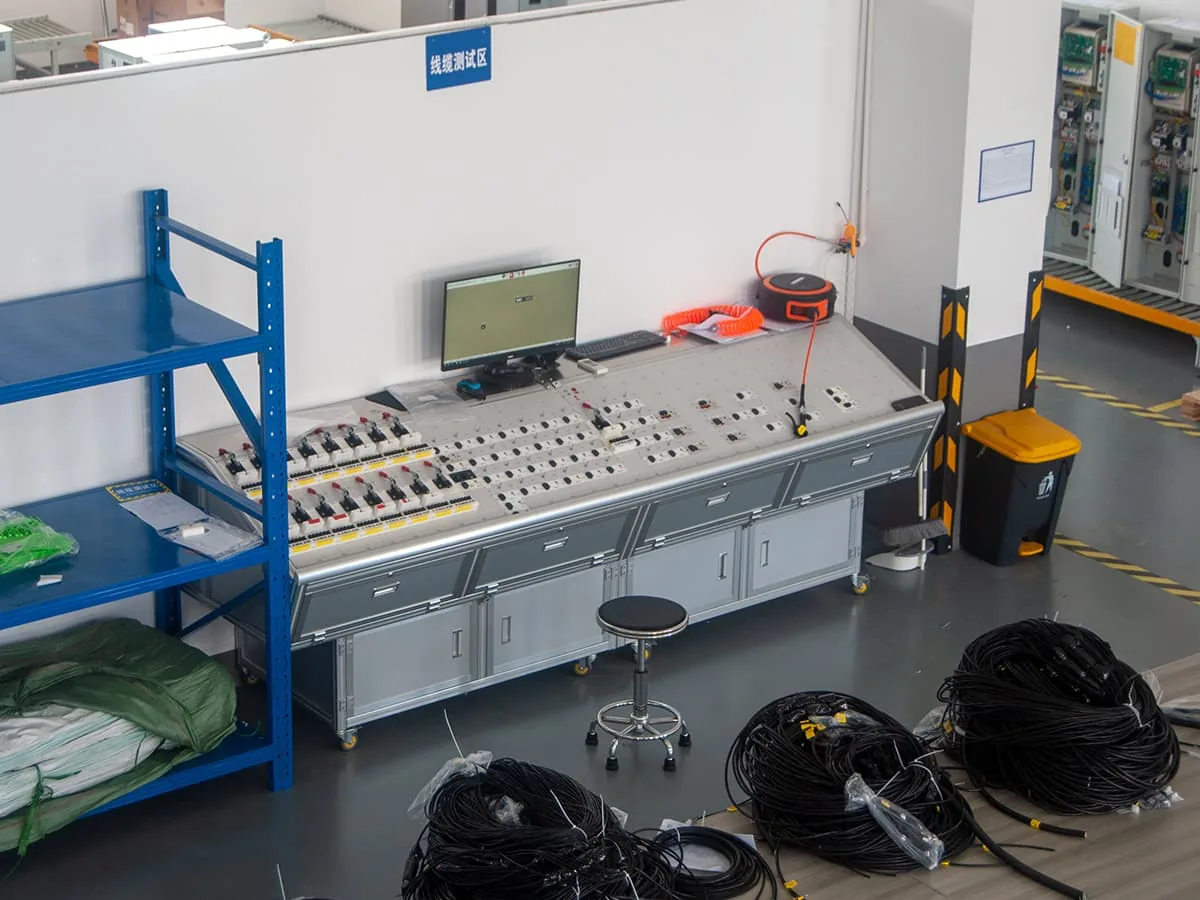
Quality starts at the bench — our workshop-to-load-test walkthrough shows how a compliant unit is built.
Which code applies to my dumbwaiter? Usually ASME A17.1 (North America) or EN 81 / EU Lifts Directive (Europe); confirm with your AHJ.
Do I need a load test? Yes — static, dynamic and safety-device function tests at commissioning.
Who signs off? Varies by region; sometimes a registered professional, sometimes the manufacturer.
Can I self-install? Only if local rules permit and you can document compliant testing; otherwise use certified installers.
How often is re-inspection? Typically annual; follow your local requirement.
A dumbwaiter code requirements checklist is not bureaucracy — it is the backbone of a safe, insurable lift. Anchor your spec to ASME A17.1 or EN 81, insist on interlocking doors and overload protection, test to rated load, and keep the paperwork. Pair this with our buying guide and you will specify with confidence.