Address
No.3185 Xizha Rd,Dachuangang, Zhenze,Wujiang,Suzhou,China
Work Hours
24/7 Global Support
Address
No.3185 Xizha Rd,Dachuangang, Zhenze,Wujiang,Suzhou,China
Work Hours
24/7 Global Support
A hospital dumbwaiter moves meals, linen, and supplies between floors safely. Learn the hygiene, sizing, and compliance requirements for healthcare installations.
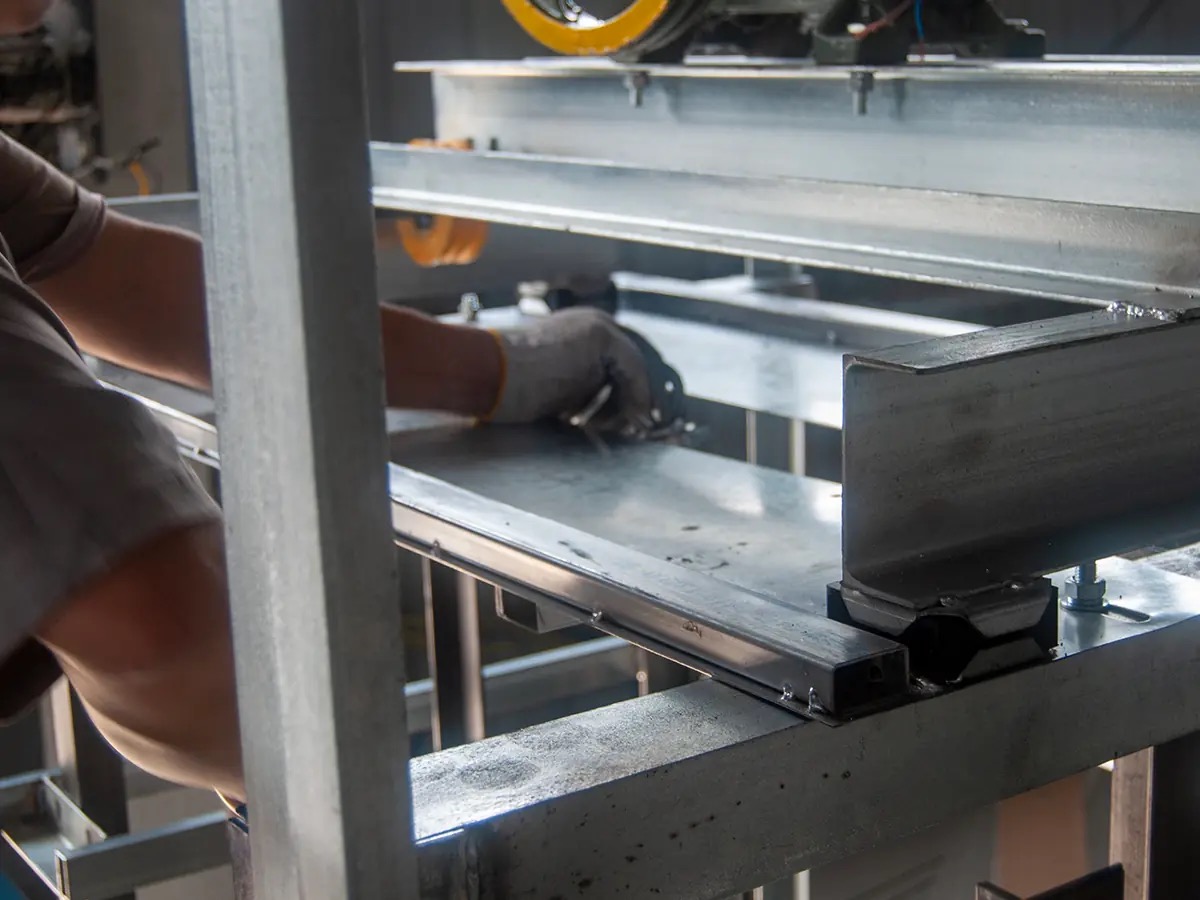
Hospitals and care facilities move more things between floors than almost any other building: meal trays three times a day, clean and soiled linen, medications, supplies, and equipment. Every trip by hand is time taken from clinical staff and a risk of cross-contamination. A hospital dumbwaiter — a small, stainless, freight-only service lift — moves those loads safely and instantly, and it is one of the most underrated pieces of infrastructure in healthcare.
This guide covers why hospitals and care homes install dumbwaiters, how healthcare food service works around one, the hygiene and compliance requirements that differ from restaurants, and how to specify and install the right unit. It builds on our food lift guide and our buying guide.
Healthcare buildings are vertical by design — wards stacked above kitchens, pharmacies, and laundries. A dumbwaiter pays back in four specific ways:
For smaller clinics and care homes where a full service elevator is overkill, a dumbwaiter is often the only vertical transport they need.
Hospital catering is different from a restaurant. Meals are assembled centrally, loaded in batches, and delivered to many small points. The workflow looks like this:
This is why the standard operating procedure we outline for any dumbwaiter matters even more in healthcare — one disciplined routine prevents mix-ups between clean and contaminated loads.
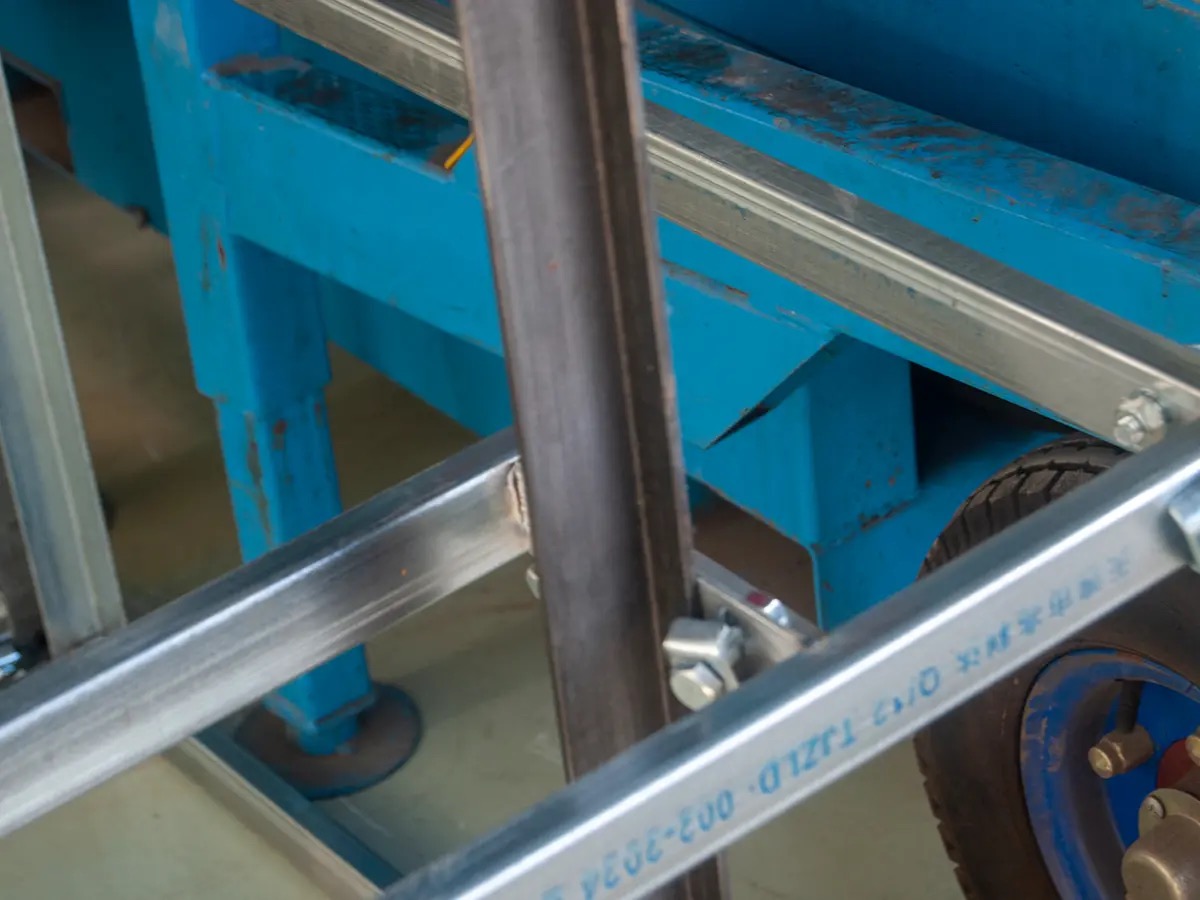
Healthcare adds requirements a restaurant never faces. Non-negotiables for a hospital dumbwaiter:
These finish and hygiene details are exactly what separates a quality-built dumbwaiter from a budget unit, and they are worth confirming in the spec before you order.
Size the unit to the heaviest batch you will move, not the lightest:
| Rated load | Typical cab (W×D×H) | Best for |
|---|---|---|
| 50 kg | 50×50×60 cm | Small clinics, medication rooms |
| 100 kg | 60×60×80 cm | Ward meal service, linen between floors |
| 200 kg | 80×80×100 cm | Cafeterias, tray racks, heavier supplies |
| 300 kg | 100×100×120 cm | Central kitchens, bulk loads |
Window-type units suit a ward kitchen to the floor above; floor-type units with landing doors serve three or more floors or carry racked loads. For layout and shaft questions, our shaft size guide gives the numbers your architect will need.
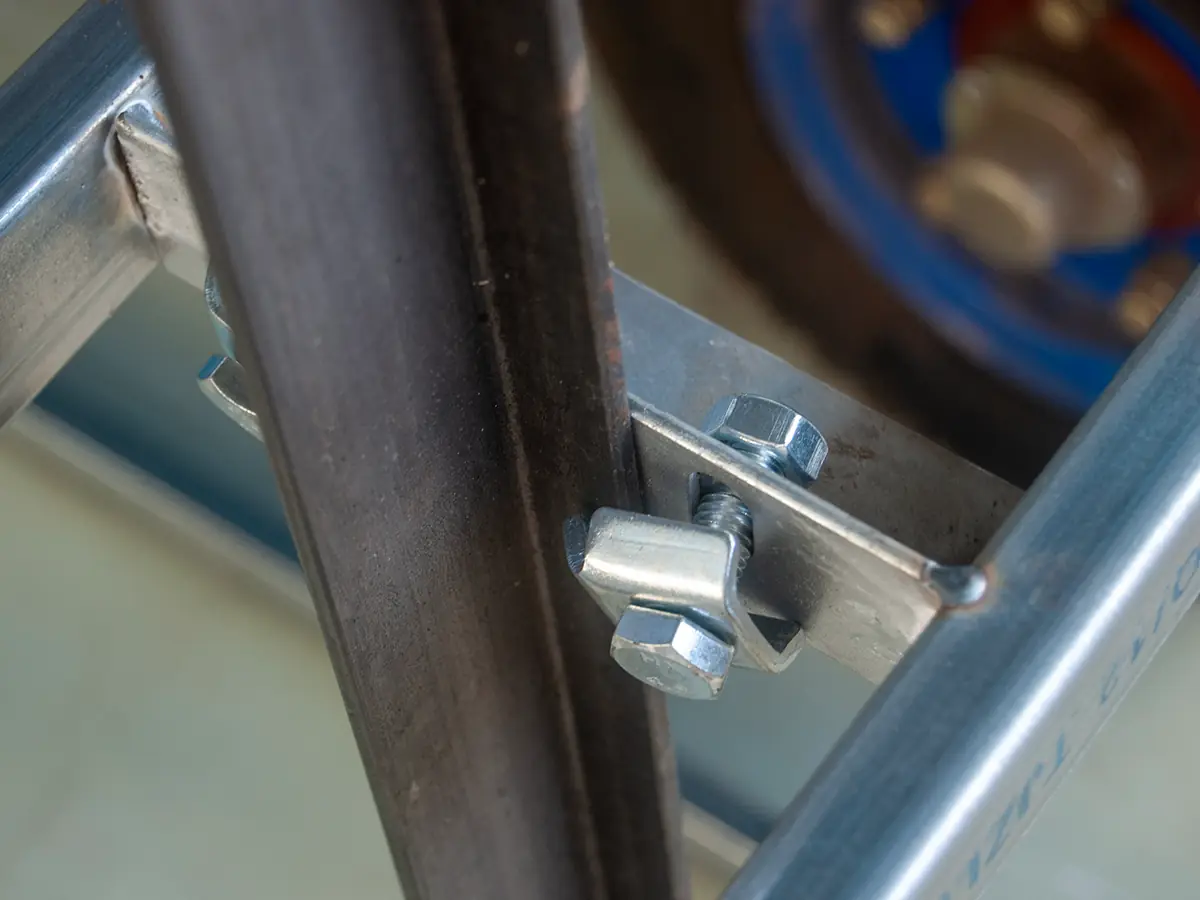
Most hospitals use a mix. A service elevator moves beds, wheelchairs, equipment, and bulk deliveries — it has a walk-in cab and needs a full shaft. A dumbwaiter handles the high-frequency, low-volume loads: meals, linen, supplies. Running dumbwaiters for routine transfers frees the service elevator for what only it can do. Our dumbwaiter vs service elevator comparison helps you decide the right split for your facility.
Healthcare installations face the same lift standards plus facility-specific rules:
Choose a supplier who understands healthcare hygiene, not just lifts. Confirm the stainless grade, the wash-down rating of the controls, and their experience with care facilities. If you are sourcing internationally, our China factory sourcing guide covers vetting manufacturers and verifying certifications. For a detailed walkthrough of the healthcare use case — including hospital-specific layouts and workflows — the team at ServLifts has published a dedicated hospital dumbwaiter guide.
Yes — meal tray service is one of the most common hospital dumbwaiter uses. Specify a food-grade stainless cab and wash-down-rated controls, and keep clean and soiled flows on separate cars or schedules to protect infection control.
Most wards run well with a 100 kg unit and a 60×60×80 cm cab for meal trays and linen. Central kitchens and cafeterias typically step up to 200 kg to carry tray racks. Size to your peak batch, not your average.
Yes, when installed and commissioned to EN 81-3 or ASME A17.1 with interlocked doors, limit switches, and overload protection. Healthcare installations should also add fire-rated openings and a documented load-test certificate at handover.
Technically yes, but it is better practice to run clean and soiled loads on separate cars or at strictly separate times. If you have only one shaft, schedule food and linen at different hours and sanitise between uses.
A hospital dumbwaiter is quiet infrastructure with a loud payoff: meals arrive hot, linen moves without porter trips, and clinical staff stay with patients. Specify stainless hygiene, size it to your peak batch, install to standard, and keep the clean/dirty discipline — then it becomes one of the most reliable helpers in the building.


[…] and plan hygiene by route. For healthcare-specific deployment detail, pair this guide with our hospital dumbwaiter guide and the ServLifts hospital reference […]