Address
No.3185 Xizha Rd,Dachuangang, Zhenze,Wujiang,Suzhou,China
Work Hours
24/7 Global Support
Address
No.3185 Xizha Rd,Dachuangang, Zhenze,Wujiang,Suzhou,China
Work Hours
24/7 Global Support
A food lift moves meals safely between floors. Learn what a food lift is, how it works, the types available, and how to choose the right one for your restaurant, hotel, or cafeteria.
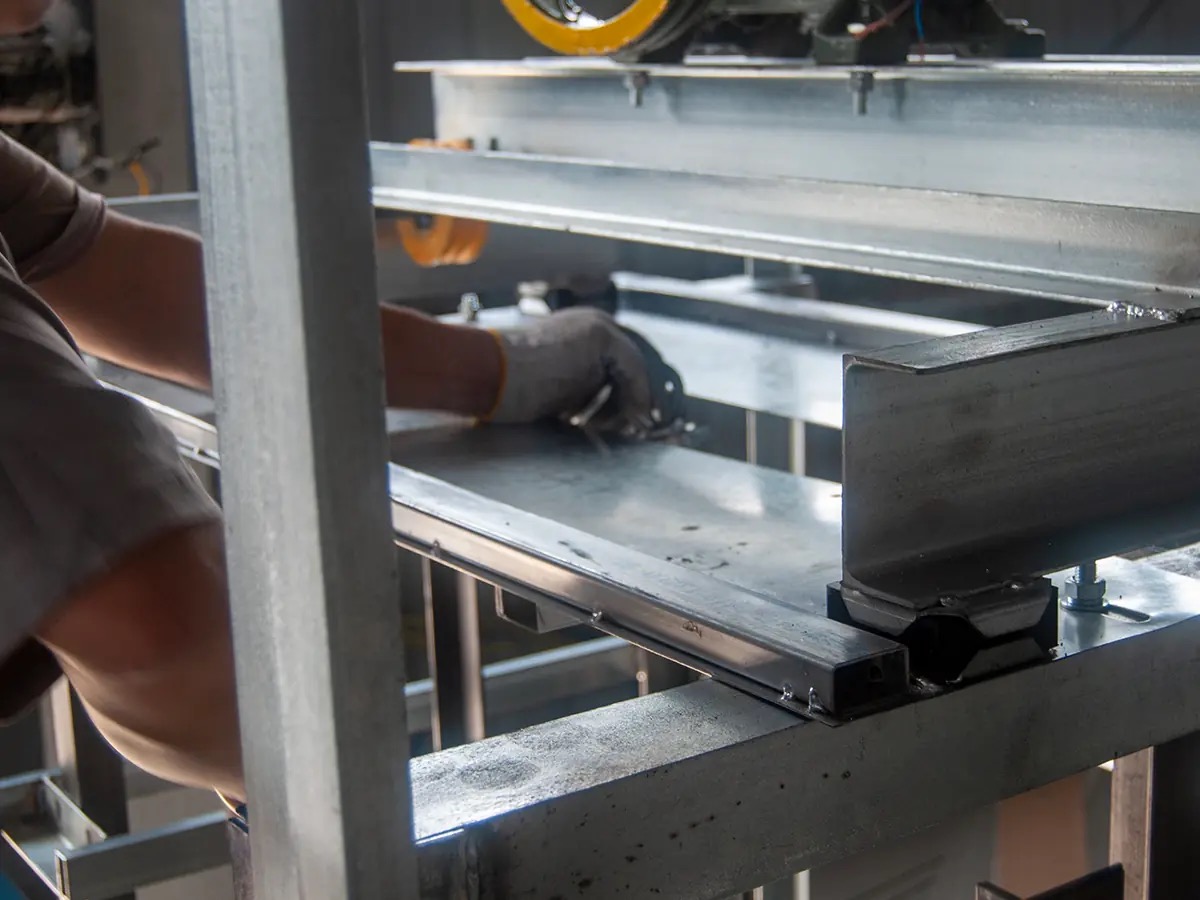
When a kitchen is on the ground floor and the dining room, banquet hall, or patient floors are upstairs, carrying trays by hand is slow, unsafe, and a drain on labor. A food lift solves that in one move: a small enclosed cab that shuttles meals, trays, and ingredients between levels automatically. In many markets a food lift is simply the catering-world name for a commercial dumbwaiter — the same machine, tuned for food service.
This guide covers what a food lift is, how it works, the types available, typical capacities, where they are used, hygiene and safety, and how to choose and maintain one. If you are weighing a purchase, pair this with our dumbwaiter buying guide and our 2026 cost breakdown.
A food lift is a small freight elevator built for meal service. It is not for passengers — it carries plates, trays, pots, and sometimes empty dish carts. Typical features:
Because “food lift” and “dumbwaiter” overlap heavily, many buyers use the terms interchangeably. The difference is mostly convention: food lift signals a hospitality or healthcare application, while dumbwaiter is the broader trade term. We compare them directly later in this article.
The operating principle is the same reliable loop used across modern dumbwaiter controls:
The whole cycle takes seconds and runs silently enough for front-of-house use. That is why a food lift pays for itself quickly in any venue where meals cross floors.
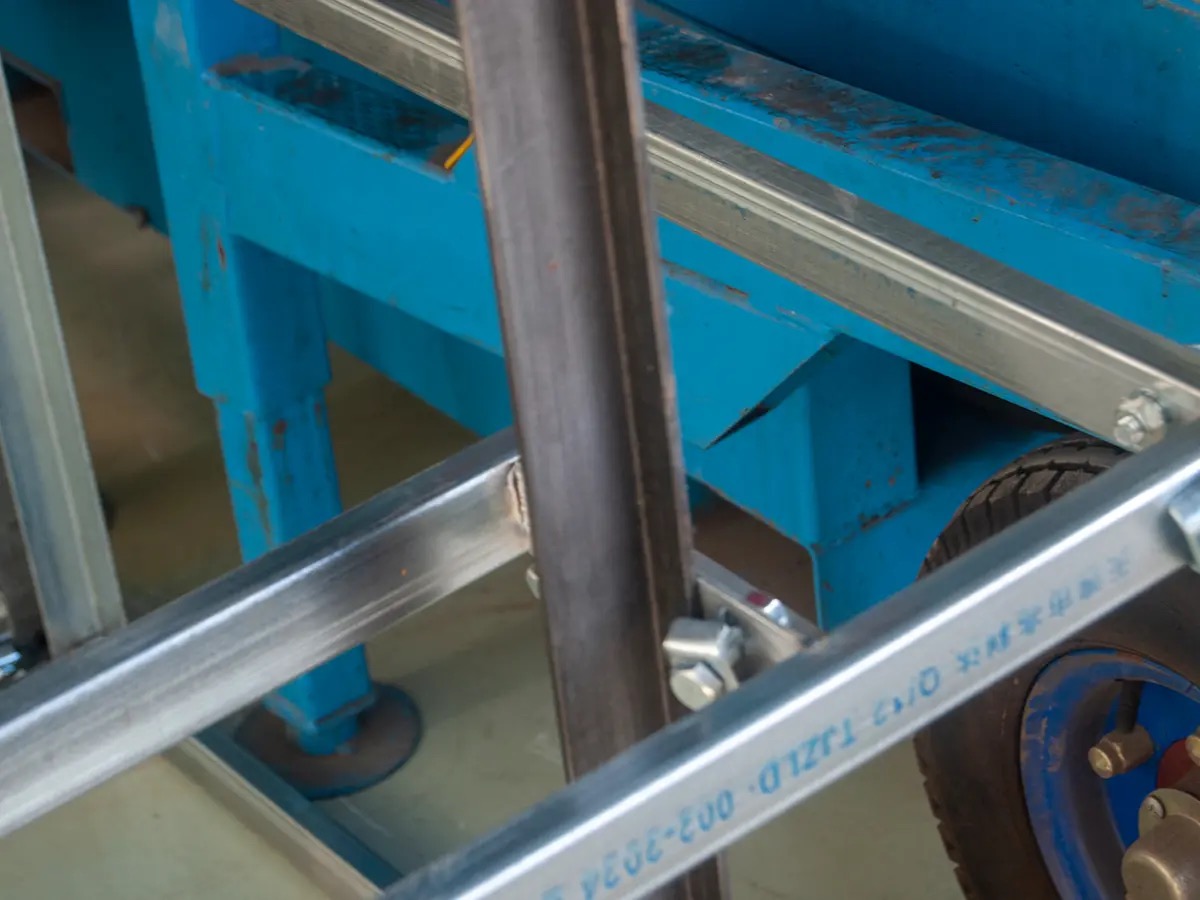
Match the type to your building and menu volume:
Size the cab to your busiest service, not your average one. A useful rule of thumb:
| Rated load | Typical cab (W×D×H) | Best for |
|---|---|---|
| 50 kg | 50×50×60 cm | Cafés, small bars, single-tray service |
| 100 kg | 60×60×80 cm | Restaurants, hotel floors, multiple plates |
| 200 kg | 80×80×100 cm | Banquet, buffet, dish-cart service |
| 300+ kg | 100×100×120 cm | Cafeterias, central kitchens, heavy carts |
When in doubt, step up one size — an undersized cab forces double trips and bottlenecks exactly when service is busiest. Our sizing section in the buying guide goes deeper on matching capacity to traffic.
Food service adds two requirements a general service lift does not: cleanliness and food safety.
They are largely the same machine; the label reflects the setting. The practical differences buyers care about:
| Aspect | Food Lift | Dumbwaiter |
|---|---|---|
| Primary use | Meals, trays, ingredients | General service: food, linen, parts, mail |
| Finish | Food-grade stainless, easy-clean | Stainless or painted, duty-matched |
| Common sites | Restaurants, hotels, care homes | Any commercial building |
| Standards | EN 81-3 / ASME A17.1, food hygiene | EN 81-3 / ASME A17.1 |
If a supplier calls it a dumbwaiter but specs food-grade stainless and sealed controls, you have a food lift. The naming will not change the engineering — confirm the finish and hygiene rating instead.
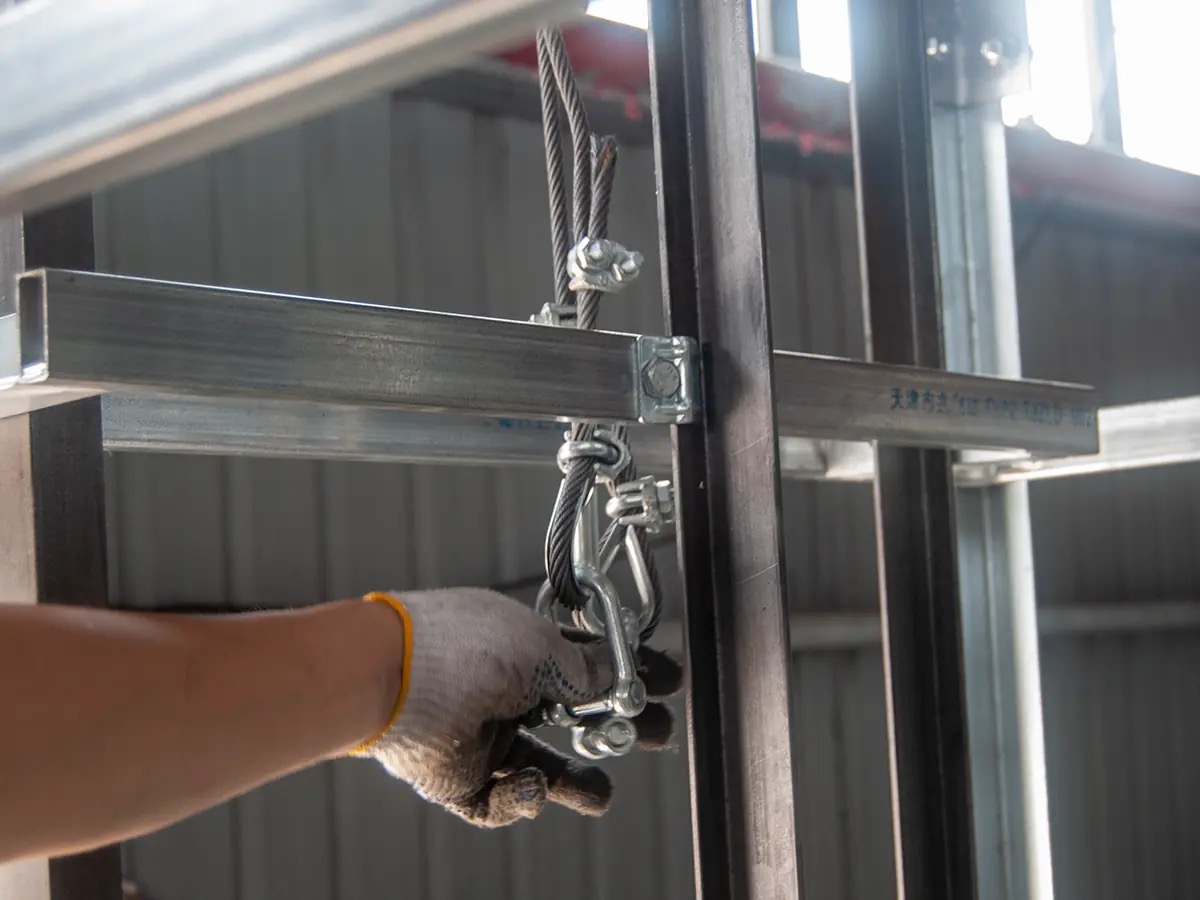
A food lift needs a rated shaft or wall opening, a power supply at the machine, and (for floor-type) a small machine space. Our look at how a quality unit is built shows what good fabrication looks like before it ships.
For upkeep, keep it simple and regular:
The full checklist is in our dumbwaiter maintenance guide.
Almost always yes — a food lift is a dumbwaiter specified for meal service, with food-grade stainless and easy-clean finishes. The engineering and safety standards are the same; only the duty and finish differ.
Entry window-type units start modestly and rise with load, floors, and finish; our 2026 cost guide breaks down the typical ranges and what drives them.
No. Food lifts are freight-only by design and regulation. Moving people in one is unsafe and non-compliant. Use a passenger elevator for staff travel.
Most restaurants do well at 100 kg with a 60×60×80 cm cab; busy banquet or buffet venues step up to 200 kg to roll a dish cart. Size to your peak, not your average, service.
A food lift is one of the highest-return upgrades a multi-floor kitchen can make: faster service, fewer spills, and staff freed from staircase shuttles. Specify food-grade stainless, smooth PLC control, and a supported safety circuit, and it will quietly earn its place on every busy shift.