Address
No.3185 Xizha Rd,Dachuangang, Zhenze,Wujiang,Suzhou,China
Work Hours
24/7 Global Support
Address
No.3185 Xizha Rd,Dachuangang, Zhenze,Wujiang,Suzhou,China
Work Hours
24/7 Global Support
Senior care dumbwaiter guide for nursing homes and assisted living: capacity, hygiene, quiet drive, doors, installation and cost. Move meals and linen safely between floors.
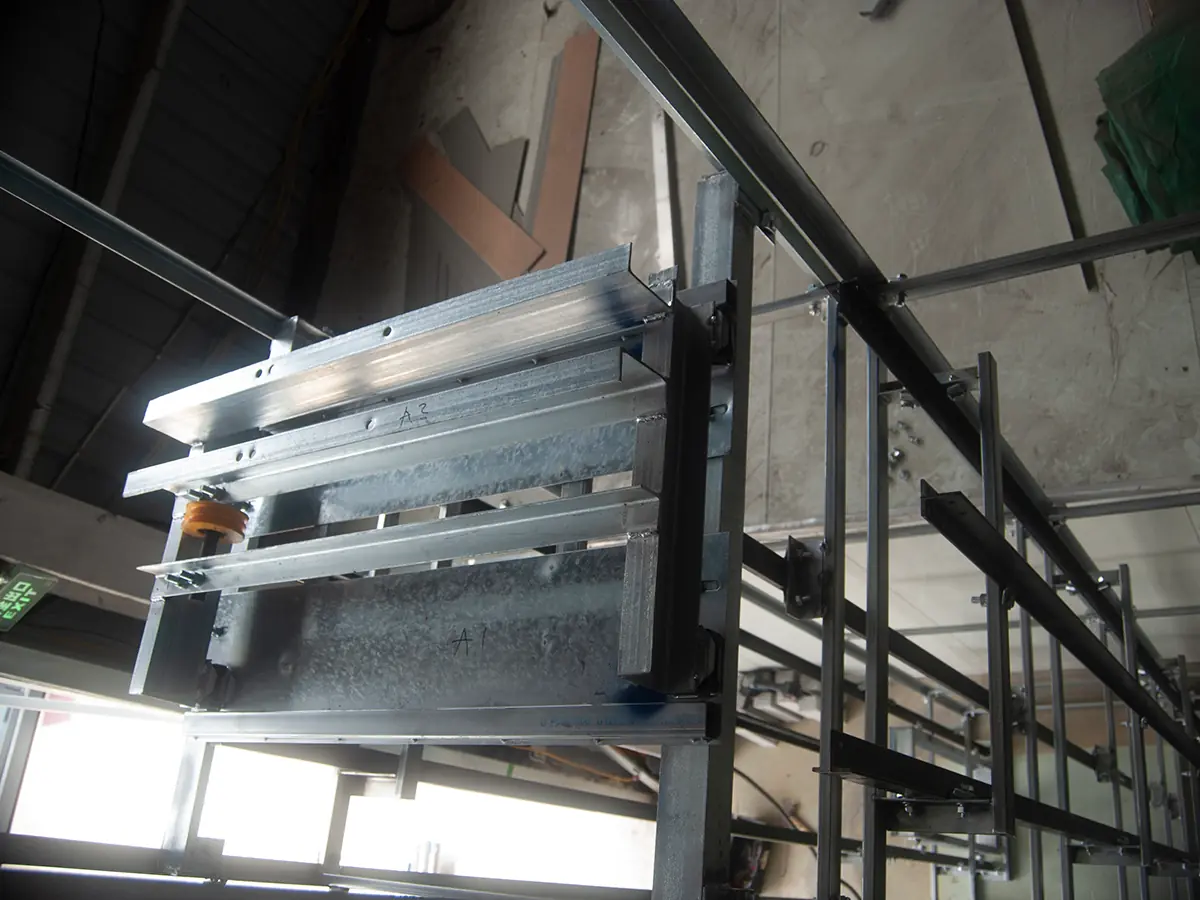
A senior care dumbwaiter is a small, enclosed service lift built to move meals, linens, medication and clean supplies quietly and safely between the floors of a nursing home, assisted-living community or rehabilitation center. Unlike a passenger elevator, nobody rides in it — it protects your care team from repetitive lifting while keeping hot food and fresh linen moving on schedule.
This guide walks through what a senior care dumbwaiter is, why demand is rising across elder-care facilities, the nine reasons operators install one, and the capacity, drive, hygiene, door, installation and cost factors you should specify before you buy.
A senior care dumbwaiter is a vertically travelling, non-ridable service lift with a stainless-steel or powder-coated car that serves two or more landings. In a care home it typically connects the kitchen or dietary department on the ground floor with dining rooms, nourishment stations and floor pantries above. Cars are sized for meal trays, bussing carts, linen bags and totes of supplies rather than people.
Modern units use a traction or electric drive that runs smoothly and quietly, with interlocking doors that cannot open unless the car is present — the same safety logic found in passenger lifts.
Two forces push elder-care operators toward a dedicated service lift. First, resident populations are aging and many buildings spread dining, therapy and accommodation across several floors. Second, staffing pressures make manual carrying between levels expensive and injury-prone. A senior care dumbwaiter addresses both: it removes a physical burden from caregivers and keeps service flow consistent even when headcount is tight.
Infection-control programs have also raised the bar for how food and soiled linen are separated. A sealed car with easy-clean surfaces helps facilities meet hygiene expectations without extra labour.
Carrying loaded trays or linen bags up stairs is a leading cause of back and shoulder injury among care staff. Repetitive manual handling is a well-documented ergonomic hazard in healthcare workplaces, as OSHA’s ergonomics guidance sets out. A senior care dumbwaiter eliminates most of that manual transport, supporting safer workplaces and lower absenteeism.
Food loses temperature and presentation quality with every minute of walking. A lift moves a full tray set from kitchen to floor in seconds, so residents eat while meals are still appetising and nutritious.
Elder-care environments need calm. Traction drives run with low noise and vibration, so a scheduled meal run or linen exchange will not disturb residents who are resting or receiving care.
Stainless-steel cars and shelves wipe down quickly and resist corrosion, helping separate clean and soiled streams — a real advantage for dietary and laundry workflows.
When the lift handles transport, nurses and aides spend their time on residents instead of corridors. That shift is exactly what person-centered care models ask for.
A locked or access-controlled car can move pharmacy items and lab samples between the nursing station and ground-floor services without hand-carrying through public areas.
Call buttons, a simple send key and clear floor indicators mean any team member can use the lift after a short briefing — no specialised licence required for routine operation.
Quality units sit in a low-power standby between calls and wake instantly, so they are ready at 7 a.m. and still efficient at 9 p.m. without a noticeable energy bill.
Against the ongoing cost of additional transport labour, a one-time senior care dumbwaiter investment pays back through saved hours and fewer injury claims — a point we return to in the cost section.
Most care-home units sit between 50 kg and 150 kg. A 100 kg car comfortably holds several meal trays or a linen tote; larger floors with centralised dietary service may prefer 150 kg. Car footprint is usually 600×600 mm to 800×800 mm.
| Need | Recommended capacity | Typical car size |
|---|---|---|
| Floor pantry top-ups, light trays | 50–80 kg | 600×600 mm |
| Standard meal + linen runs | 100 kg | 700×700 mm |
| Centralised dietary, bussing carts | 150 kg | 800×800 mm |
Match capacity to your busiest single trip, not the average, so peak service never waits on the lift.
A traction or electric drive uses a motor and counterweight/gearing to move the car with precise, soft starts and stops. For residential-style calm, that smoothness matters more than raw speed. Hydraulic drives are an alternative for very heavy loads but add a small plant room and slower cycle times.
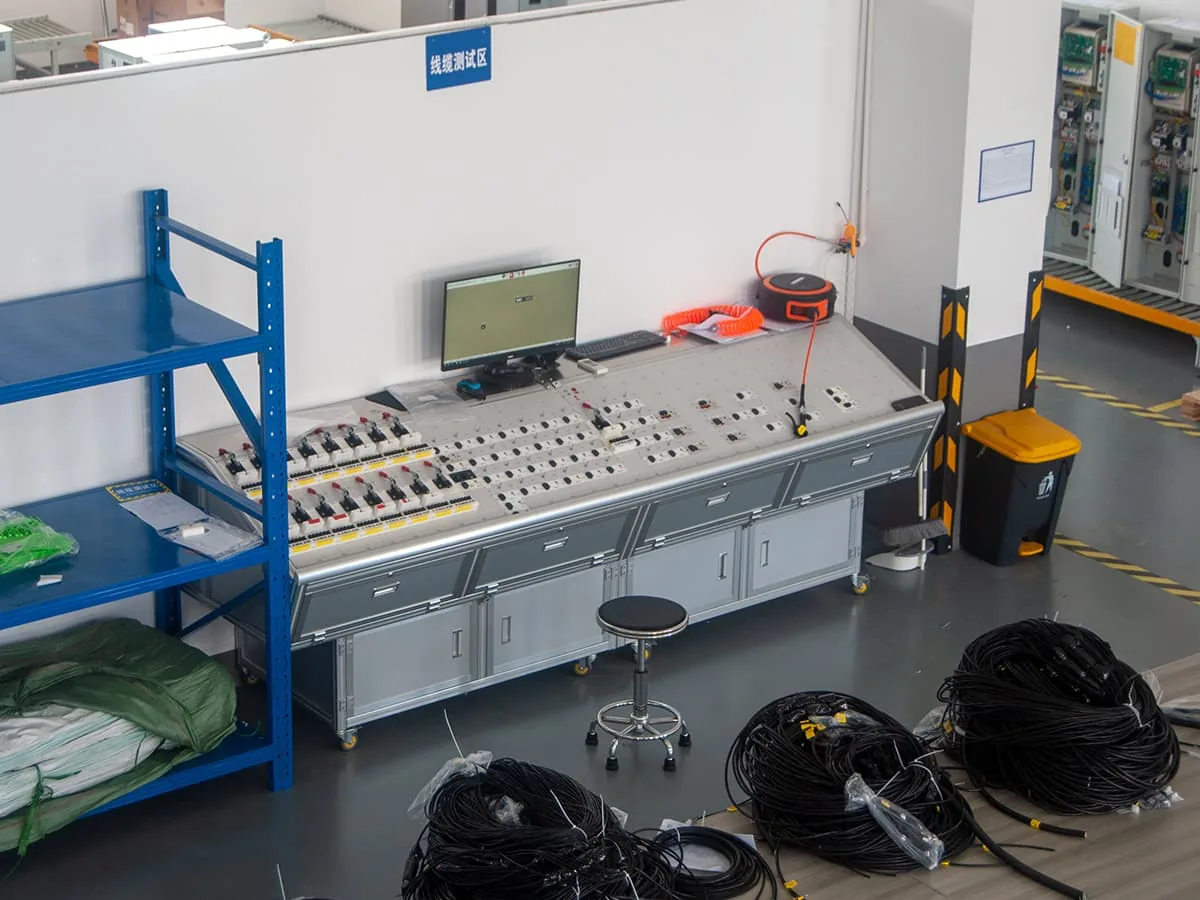
Specify 304 stainless steel for the car, shelves and landing sills in any area touching food or clean linen. Add a wash-down-friendly floor and rounded corners so crews can sanitise quickly. In soiled-linen routes, a separate car or a liner system prevents cross-contamination.
| Element | Care-home recommendation |
|---|---|
| Door type | Bi-parting or single automatic, interlocking |
| Access control | Call buttons + optional key/code for pharmacy car |
| Landing indication | Position arrow + arrival chime (low volume) |
| Sill | Stainless, flush, trip-free threshold |
Interlocks guarantee a door opens only when the car is docked, which is the core safety behaviour for any senior care dumbwaiter.
A dedicated shaft is ideal, but many retrofits use a self-supporting structure beside a stairwell or in a service riser. Allow roughly 1,000–1,200 mm of clear shaft width for an 800 mm car. Review our dumbwaiter shaft size guide and the installation checklist before you measure.
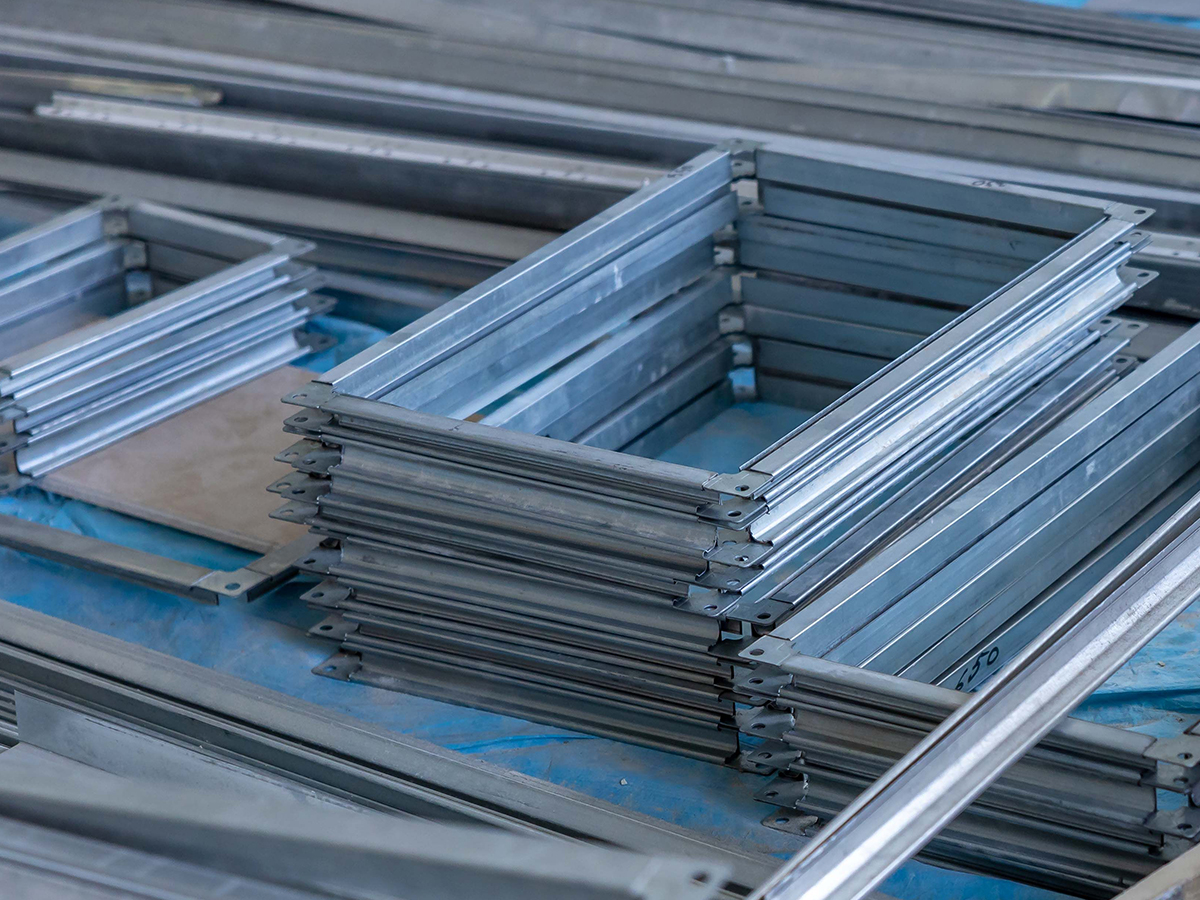
Installed price typically lands in the same band as other light commercial units: a 100 kg, two-to-three stop traction car often runs in the low-to-mid four figures ex-works, with installation, shaft build and import duties on top depending on region. See our 2026 commercial dumbwaiter cost guide for a fuller breakdown.
| Scope | Indicative cost driver |
|---|---|
| Car + drive (ex-works) | Capacity, stops, materials |
| Shaft / structure | New build vs retrofit |
| Installation & commissioning | Local labour, access |
| Compliance paperwork | Inspection & sign-off |
A home lift carries people; a senior care dumbwaiter carries goods only. In a care home you usually need both — a passenger lift for residents and a separate service lift for trays and linen so the two streams never mix. For single-residence needs, our home dumbwaiter guide covers the smaller domestic version.
Look for interlocking doors, overload protection, emergency stop, and a manual lowering handle. Design should reference recognised lift safety practice such as ASME A17.1 and, in Europe, the EU Lifts Directive. Our dumbwaiter safety features guide lists the must-haves. For a healthcare-specific deployment view, ServLifts’ hospital dumbwaiter guide is a useful companion read.
A reliable senior care dumbwaiter starts with certified materials, machined car frames and documented assembly, then passes load and safety testing before it ships. Our how-a-quality-dumbwaiter-is-built walkthrough shows the workshop-to-load-test process.
Can residents use the dumbwaiter? No. It is a goods-only service lift; residents use the passenger elevator.
How noisy is it? A traction drive is quiet enough for care floors; specify low-volume chimes if sound sensitivity is a concern.
What capacity do most care homes need? 100 kg covers typical meal and linen runs; choose 150 kg for centralised dietary service.
Does it need a machine room? Many traction units are machine-room-less; confirm during shaft planning.
How do I keep it hygienic? Stainless car and shelves, rounded corners and a quick daily wipe-down; separate cars for clean and soiled streams.
A senior care dumbwaiter is one of the highest-return upgrades a multi-floor care home can make: it protects staff, speeds meal service, supports hygiene and frees caregivers for resident care. Start with capacity and shaft space, choose a quiet traction drive, and plan hygiene by route. For healthcare-specific deployment detail, pair this guide with our hospital dumbwaiter guide and the ServLifts hospital reference above.