Address
No.3185 Xizha Rd,Dachuangang, Zhenze,Wujiang,Suzhou,China
Work Hours
24/7 Global Support
Address
No.3185 Xizha Rd,Dachuangang, Zhenze,Wujiang,Suzhou,China
Work Hours
24/7 Global Support
An electric dumbwaiter uses a traction drive for smooth, quiet vertical transport. Learn how it works, its advantages, and how it compares to hydraulic and screw drives.
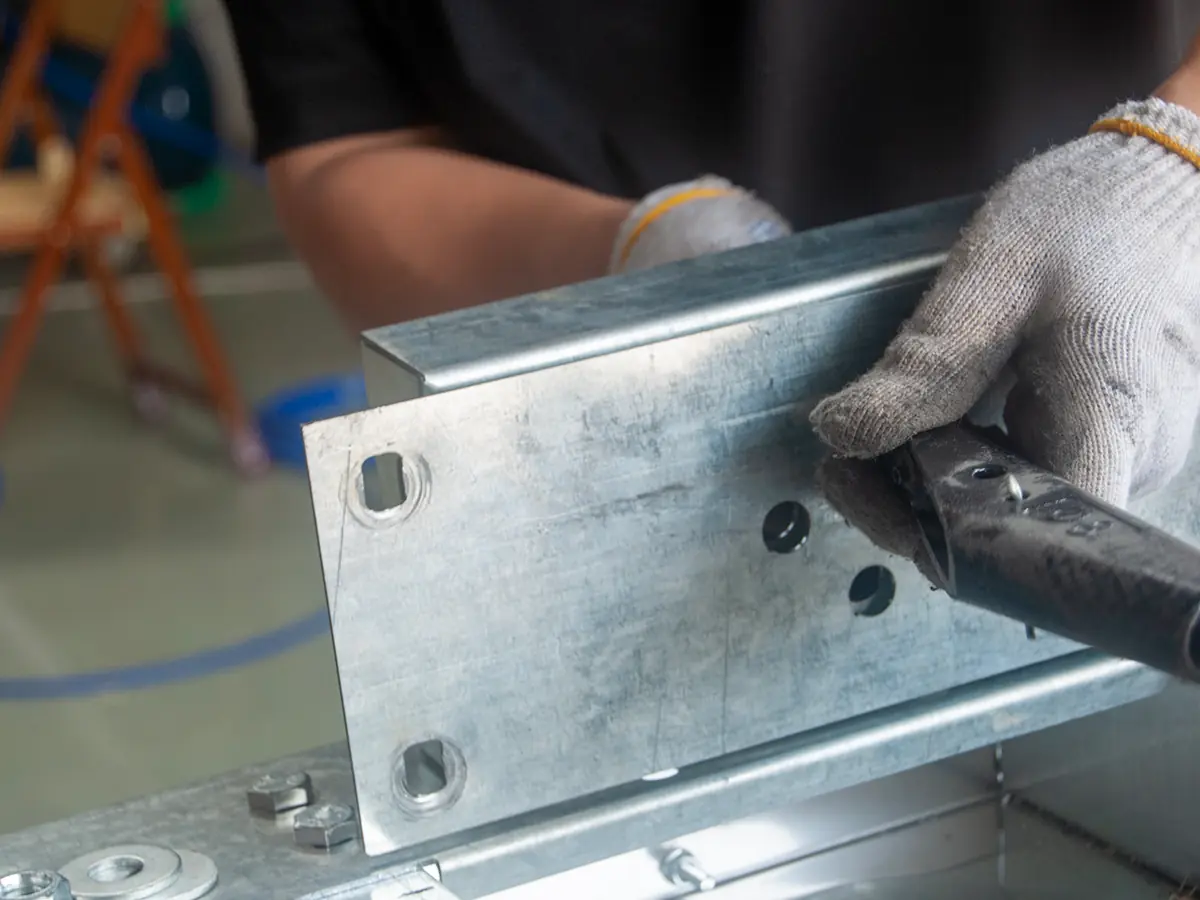
Walk into almost any modern restaurant, hotel, or hospital and the dumbwaiter doing the work is almost certainly an electric dumbwaiter. Instead of old-style chain or hand-powered lifts, today’s units use an electric traction drive — a motor, ropes, and a counterweight that move the car smoothly and stop it level every time. It is the technology behind most of the commercial dumbwaiters installed today, and for good reason.
This guide explains what an electric dumbwaiter is, how its drive system works, how it compares with hydraulic and screw drives, and what to look for when choosing one. It builds on our dumbwaiter types article and our control system explainer.
An electric dumbwaiter is a small freight lift powered by an electric motor, designed to carry food, linen, and supplies — never people — between floors. Its defining feature is the drive: a traction machine that pulls the car up and down on steel ropes, balanced by a counterweight. Because the motor does the heavy lifting through a proven mechanical system, electric dumbwaiters are smooth, energy-efficient, and reliable over very long service lives.
Most commercial dumbwaiters sold today — including every unit we cover in our buying guide — use this design.
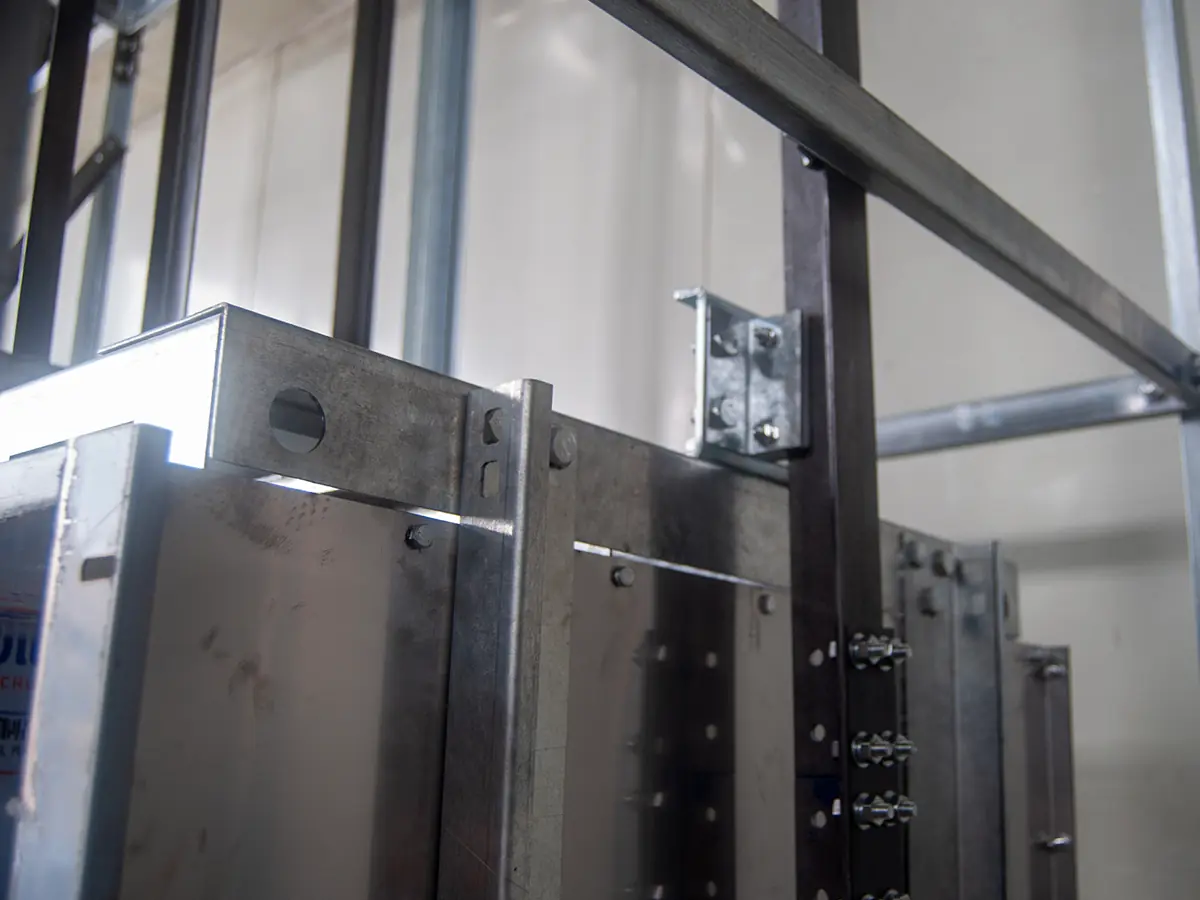
The working principle is simple and dependable:
Not every dumbwaiter is electric-traction. Three drive types dominate the market, and each suits different situations:
| Drive type | How it moves | Best for | Trade-offs |
|---|---|---|---|
| Electric traction | Motor + ropes + counterweight | Most commercial buildings, 2–6 floors | Needs overhead machine space |
| Hydraulic | Fluid-driven piston | Heavy loads, low travel heights | Higher energy use, oil maintenance |
| Screw (spindle) | Rotating screw lifts the car | Compact shafts, low-to-mid travel | Slower speeds, limited capacity |
For most food-service and hotel applications, electric traction wins on smoothness, energy cost, and quiet operation. If you are weighing drive options for a specific building, the comparison at ServLifts — traction vs hydraulic vs screw dumbwaiter — goes through the practical differences in depth.
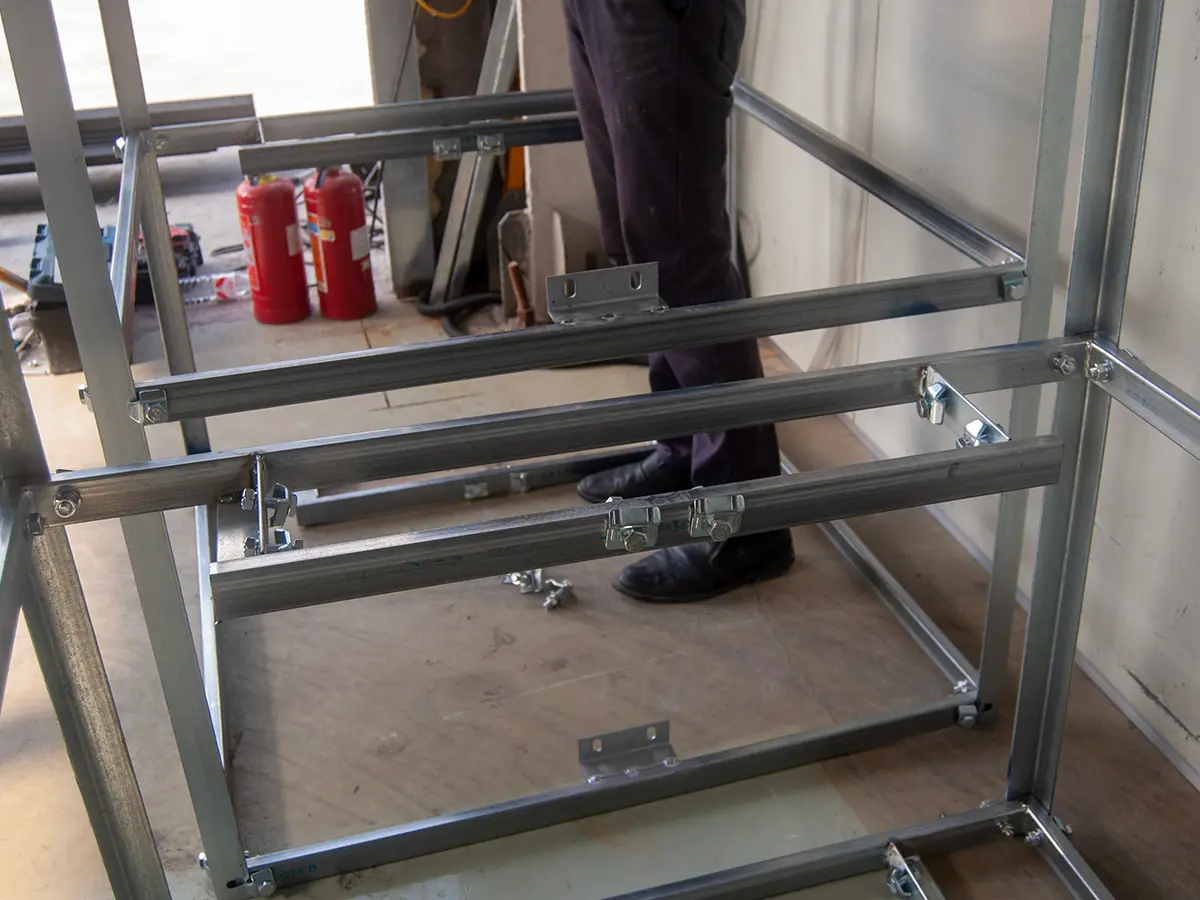
Because they are clean, quiet, and reliable, electric dumbwaiters appear wherever goods cross floors:
An electric dumbwaiter is only as safe as its control and safety chain. Verify these are present and tested:
The full list is in our safety features article — confirm every item before accepting any unit.
When you specify an electric dumbwaiter, decide in this order:
An electric dumbwaiter is a small freight lift powered by an electric traction drive — a motor, steel ropes, and a counterweight. It carries food, linen, and supplies (never people) between floors smoothly and quietly.
A traction machine pulls the car on steel ropes against a counterweight; guide rails keep it straight; a brake holds it at rest; and PLC/inverter controls run it through call buttons with door interlocks ensuring it never moves with a door open.
For most commercial food-service and hotel applications, electric traction is better: smoother, quieter, more energy-efficient, and lower-maintenance. Hydraulic drives suit heavy loads over short travel heights. Screw drives fit very compact shafts.
With the maintenance routine in our maintenance guide — brake, inverter, and door contacts checked regularly — an electric dumbwaiter typically runs 15–20 years before major component replacement.
The electric dumbwaiter is the quiet standard of modern building logistics: smooth, efficient, and dependable enough to run every shift for decades. Understand the drive, confirm the safety chain, size it to your traffic, and keep the maintenance simple — then it earns its place as one of the hardest-working machines in the building.


[…] units use a traction or electric drive that runs smoothly and quietly, with interlocking doors that cannot open unless the car is present […]
[…] units use a traction or electric drive that runs smoothly and quietly, with interlocking doors that cannot open unless the car is present […]
[…] For background on drive types, see our electric dumbwaiter guide. […]
[…] A pharmacy dumbwaiter is a non-ridable vertical service lift with a stainless-steel car sized for totes, sample racks and medicine trays rather than people. Interlocking doors ensure a door opens only when the car is docked, and an access-controlled or lockable car keeps controlled items secure during transit. For drive background, see our electric dumbwaiter guide. […]
[…] A school canteen dumbwaiter is a non-ridable vertical service lift with a stainless-steel car sized for trays, bus tubs and crate returns rather than people. Interlocking doors ensure a door opens only when the car is docked. For drive background, see our electric dumbwaiter guide. […]
[…] A small dumbwaiter is a non-ridable vertical service lift sized for a few trays, a book bin or a small parts tote. It fits tight shafts and can often use a self-supporting frame, making it ideal for retrofits. For drive background, see our electric dumbwaiter guide. […]
[…] units use a traction or electric drive that runs smoothly and quietly, with interlocking doors that cannot open unless the car is present […]
[…] traction or electric drive handles most capacities quietly; heavier loads may suit hydraulic. Match drive to capacity, not the […]
[…] clearance before you measure — our dumbwaiter shaft size guide explains the envelope. A traction or electric drive pairs naturally with automatic doors for a smooth, quiet […]