Address
No.3185 Xizha Rd,Dachuangang, Zhenze,Wujiang,Suzhou,China
Work Hours
24/7 Global Support
Address
No.3185 Xizha Rd,Dachuangang, Zhenze,Wujiang,Suzhou,China
Work Hours
24/7 Global Support
A complete hotel dumbwaiter guide: use cases, types, capacity, hydraulic vs electric drives, installation, safety, maintenance, and cost for hotels and resorts.
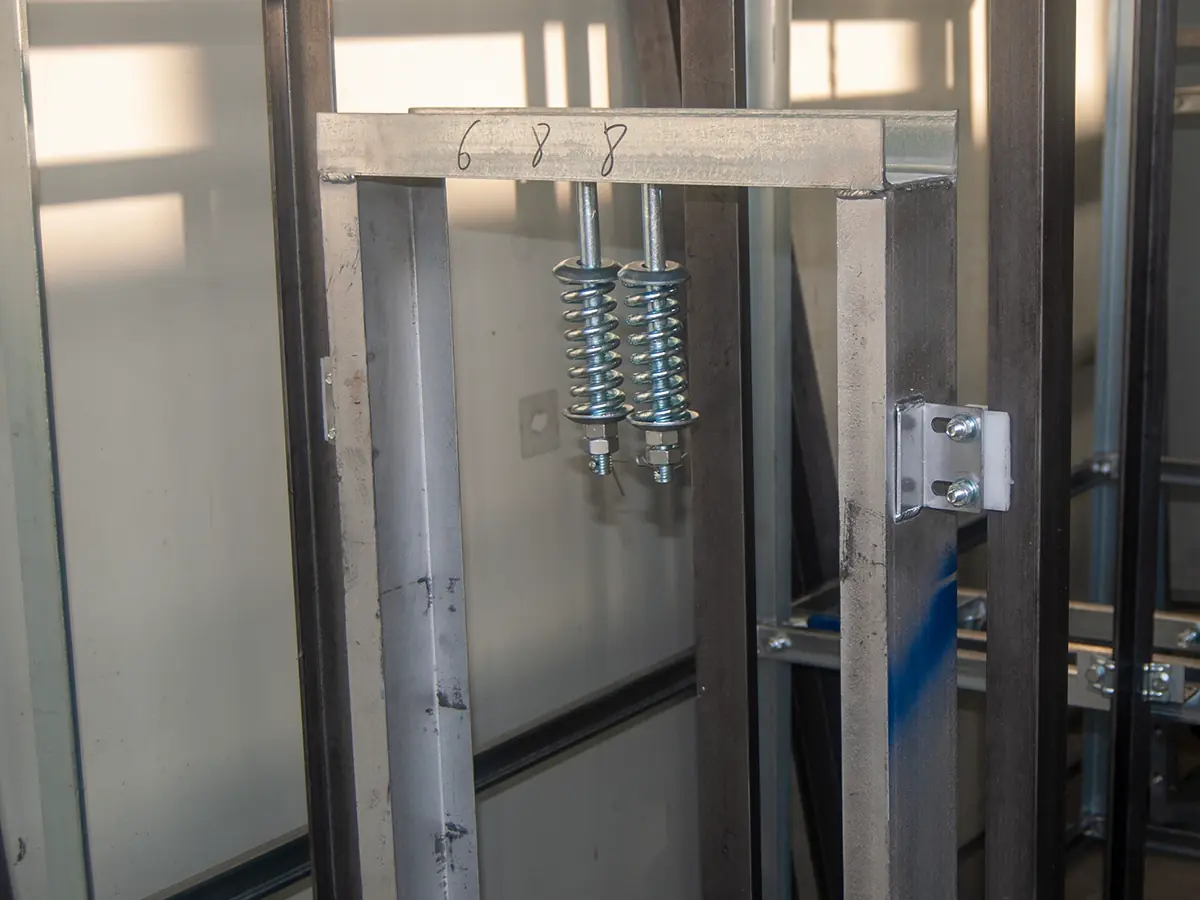
Running a hotel means moving a surprising amount of “invisible” weight every single day — linens, towels, room-service trays, cleaning supplies, laundry, and sometimes luggage. When a property has more than one floor, staff end up carrying all of that by hand through guest corridors and service stairs. A hotel dumbwaiter (also called a hotel service lift or linen lift) quietly solves this problem by giving your team a dedicated, enclosed shaft to move goods between floors without ever crossing a guest’s path.
The payoff is immediate: faster room turns, safer staff, quieter corridors, and a more polished guest experience. In this guide we break down exactly how hotels use dumbwaiters, which type fits which operation, what capacity and size you need, and what to watch for on installation, compliance, and cost.
A single hotel often benefits from two or even three different service lifts, each tuned to a specific job. Here are the most common ones.
This is the classic hotel use case. Housekeeping collects used linens on each floor and drops them into the linen dumbwaiter instead of hauling bulging bags down service stairs. Clean linens are sent back up the same way. The result is fewer strain injuries, faster room turnover, and no soiled linen carts rolling past guests in the elevator lobby.
Hot food travels best in a dedicated, insulated service lift rather than on a waiter’s hands through a crowded guest elevator. A room-service dumbwaiter keeps plates warmer, reduces spill risk, and lets kitchens fire orders the moment they’re placed. For high-volume F&B outlets, this alone justifies the install.
Even within the hotel kitchen, a commercial dumbwaiter moves plates, ingredients, and dirty dishes between prep, cooking, and dishwashing levels. Banquet venues with separate ballroom kitchens rely on it heavily during events.
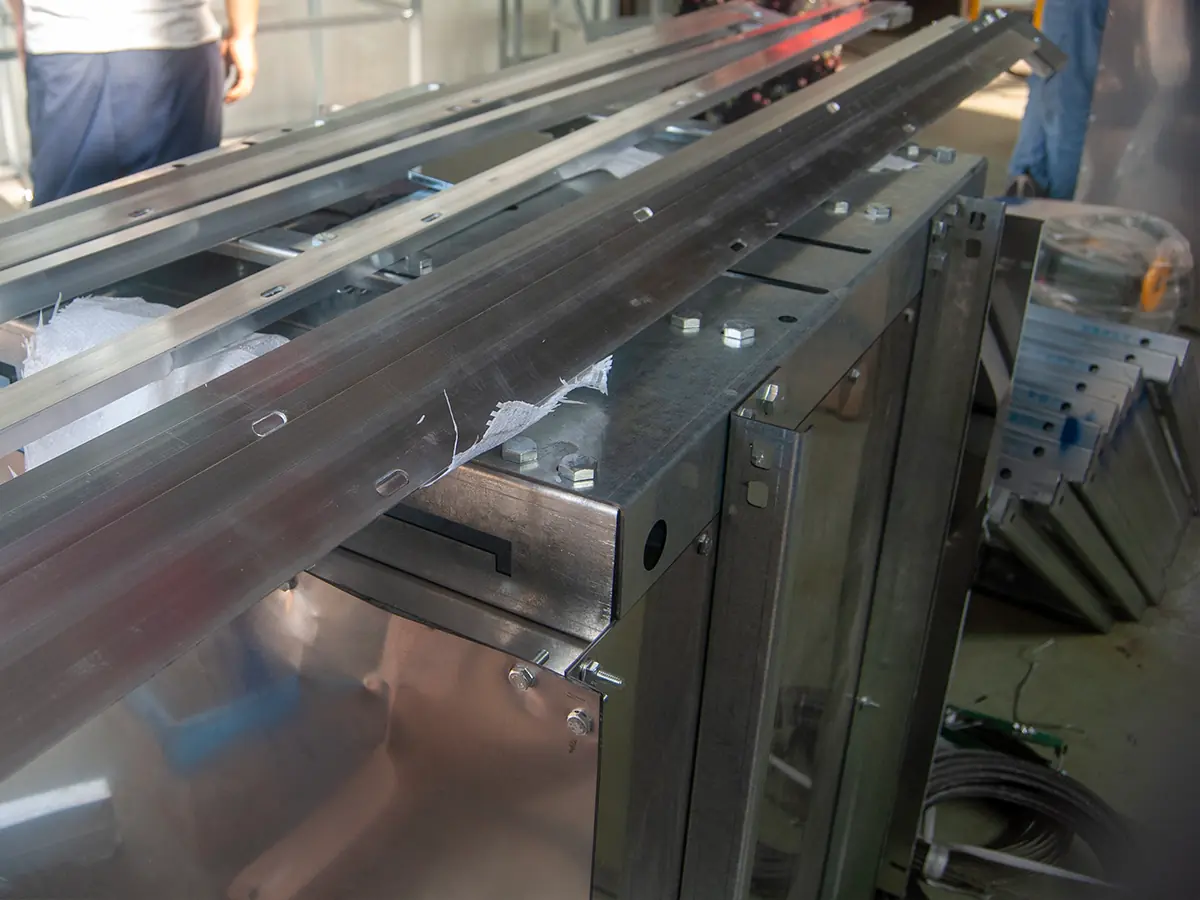
Some full-service properties install a larger-capacity service lift (or a dedicated luggage elevator) for trunks, equipment, and bulky deliveries. This keeps heavy items out of the guest elevators and protects both the cab interiors and your guests’ experience.
Resorts with distributed amenities — pool bars, spa treatment rooms, beach clubs — use small service lifts to move towels, supplies, and refreshments without a golf cart convoy through the property.
Not every service lift is built the same. The right configuration depends on what you’re moving and how often. For a full breakdown of available models, see our commercial dumbwaiter types guide.
Window-type units open on one side at each landing — staff load and unload through a “window” in the shaft wall. They’re common for room service and linen on standard floor heights and are usually the most cost-effective.
Floor-type (through-floor) units let you roll a cart straight in and out from the same side or opposite sides. They suit laundry rooms, banquet kitchens, and anywhere a cart is involved. They need more structural planning but save the most labor.
| Load rating | Best hotel use | Typical cab size |
|---|---|---|
| 50–100 kg | Room service trays, light supplies, single linens | 60 × 60 × 80 cm |
| 100–200 kg | Linen bags, multiple trays, small cart loads | 80 × 80 × 100 cm |
| 200–300 kg | Laundry carts, banquet dish loads, equipment | 100 × 100 × 120 cm |
| 300+ kg | Luggage, bulky deliveries, heavy resort ops | Custom |
Most hotels standardize on 100–200 kg linen and room-service lifts, then add one 200–300 kg unit for laundry and banquet flows. Match the rating to your busiest realistic load, not the average — peaks are what cause jams and downtime.
The drive is the heart of the lift. Both work well in hotels; the choice comes down to travel height, pit/machine-room constraints, and budget.
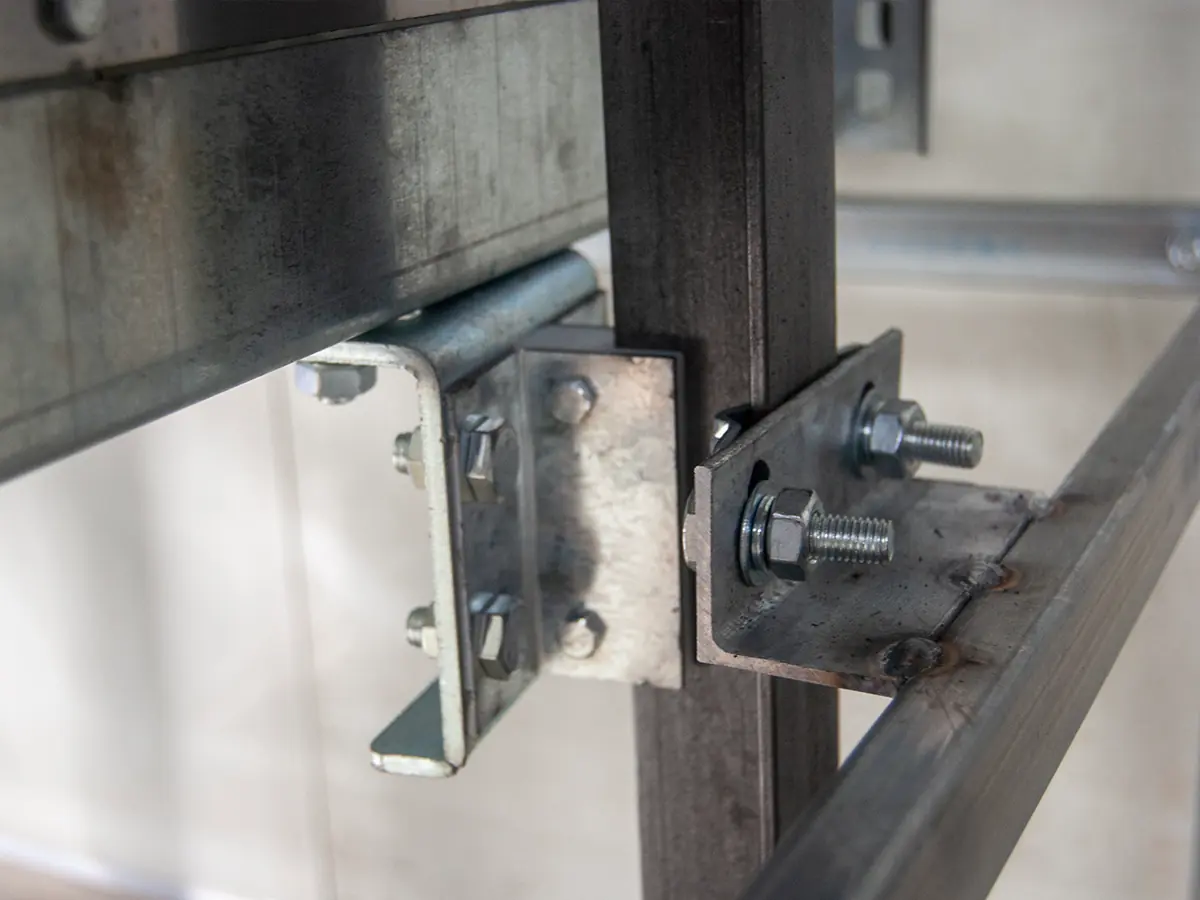
A hydraulic system pushes the cab up with a fluid-driven piston. It’s smooth, powerful, and ideal for heavy loads and low-to-mid rise buildings (roughly up to 6–8 stops) where a deep pit and machine space are available. Hotels with laundry and luggage needs often prefer hydraulic drives for their lifting strength and gentle start/stop.
Electric units use a motor and roped counterweight. They’re more energy-efficient, need less pit depth, and scale better for taller towers. If your property is a high-rise with many floors, electric is usually the cleaner long-term choice.
Unsure which to spec? Our dumbwaiter buying guide walks through the full decision checklist.
Hotels add a wrinkle that offices don’t: you can’t shut down a floor to install a lift during peak season. Plan around it.
For a model-specific walkthrough, our 200 kg window-type installation manual shows the typical steps end to end.
Because a service lift runs in a building full of people, safety isn’t optional. Look for interlocking doors that prevent movement unless both doors are closed and locked, overload protection that halts a too-heavy load, and emergency stop plus manual lowering. Many regions reference EN 81-3 / Machinery Directive (Europe) or ASME A17.1 / local elevator codes (North America) for dumbwaiters.
Our dumbwaiter safety features article details the exact protections to require from any supplier before you sign.
A hotel dumbwaiter that breaks during checkout rush is a crisis. Preventive maintenance is cheap insurance:
See the complete maintenance guide for a printable schedule you can hand to your engineering team.
Budget for three buckets, not one: the unit, the build-out (shaft, structural, electrical), and lifetime service. A basic 100 kg window-type lift is modest; a custom 300 kg through-floor hydraulic install with machine room is a real construction project. Volume helps — hotels often install two or three units at once, which lowers per-unit engineering cost.
For current price ranges and the factors that move them, read our 2026 commercial dumbwaiter cost guide.
Most full-service hotels install at least two: one for linen/laundry and one for room service. Properties with banquet or spa operations often add a third for back-of-house cart flows.
No. A dumbwaiter is a goods-only lift and is not rated or permitted for passengers. Never allow staff or guests to ride in it.
100–200 kg covers typical linen bags and small cart loads. Laundry rooms moving full carts usually step up to 200–300 kg.
With quarterly professional maintenance, a quality commercial unit typically runs 15–20 years. Hydraulic seals and controller components are the usual scheduled replacements.
A hotel dumbwaiter is one of those investments that pays back quietly — through faster rooms, safer staff, and corridors guests never see cluttered with carts. Start by mapping your loads, pick the right capacity and drive for your building, and insist on proper safety interlocks and a maintenance plan from day one.
Explore the full range of commercial dumbwaiter models or contact BsiteElevator for a configuration matched to your property.


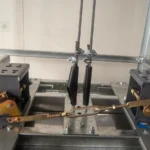
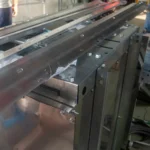
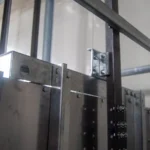
[…] If you run a single two-stop lift with light traffic, basic PLC control is enough. Smart/connected features pay off when you have multiple floors, high traffic, or several lifts you want to monitor from one place — common in hotels and resorts. […]
[…] work, hygiene and safety requirements, and what to consider before installing one. It builds on our hotel dumbwaiter guide and our buying […]