Address
No.3185 Xizha Rd,Dachuangang, Zhenze,Wujiang,Suzhou,China
Work Hours
24/7 Global Support
Address
No.3185 Xizha Rd,Dachuangang, Zhenze,Wujiang,Suzhou,China
Work Hours
24/7 Global Support
Learn how dumbwaiters are tested — factory load tests, pre-shipment inspection, commissioning, and annual checks — and what reports buyers should request.
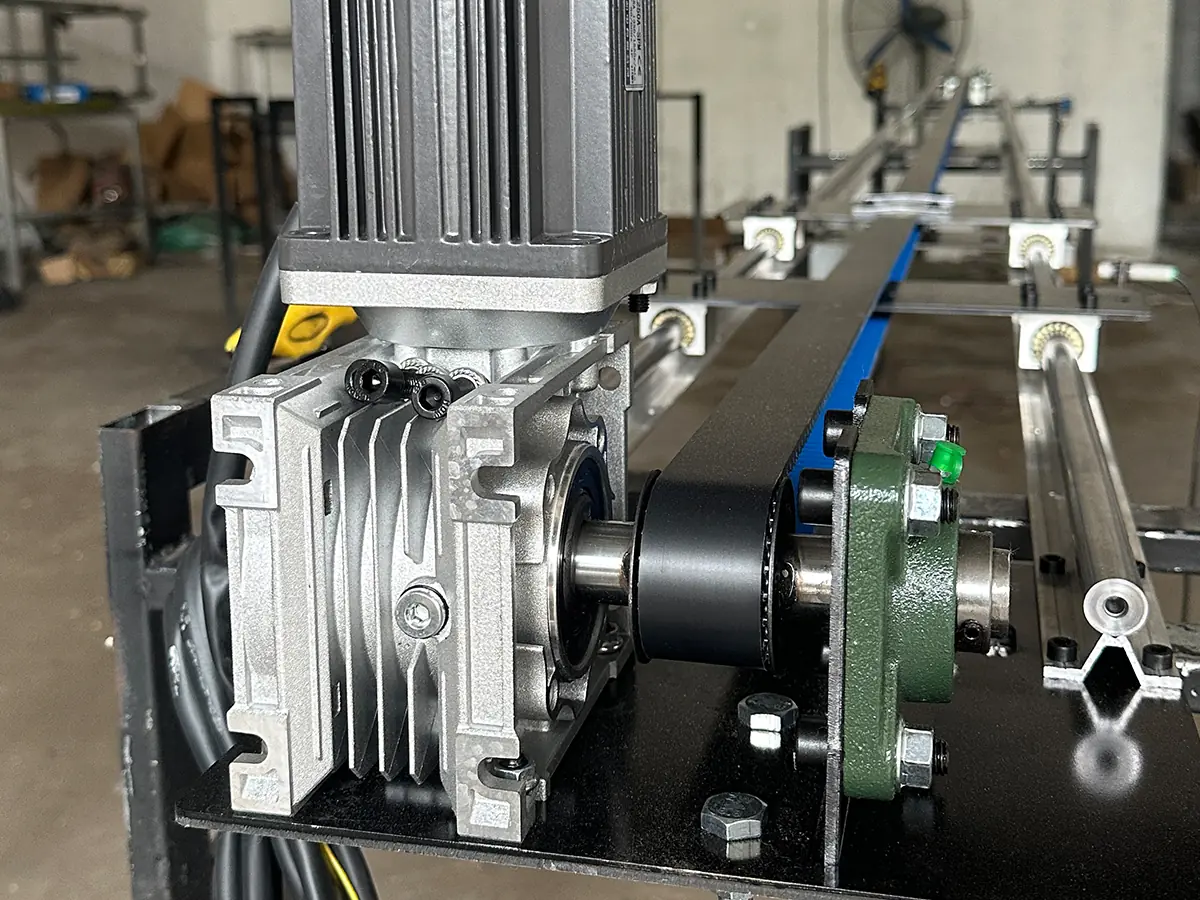
A commercial dumbwaiter is only as good as the tests it has passed. The difference between a lift that runs for a decade and one that fails in the first month is rarely the design on paper — it is whether the unit was actually tested: loaded to its rating, run through its safety functions, and inspected before it left the factory, after it was installed, and at every annual check since. Dumbwaiter testing is how quality, safety, and compliance become provable instead of promised.
This guide explains the full testing journey — factory load tests, pre-shipment inspection, commissioning on site, and the regular checks that keep a lift safe — and what test reports a buyer should always request. It pairs with our manufacturing guide and our safety features article.
Testing is not paperwork — it is the proof that three things are true:
In short, testing converts a manufacturer’s claims into evidence a buyer can check.
A quality factory runs every unit through a defined battery of tests before it ships. Expect at least these:
This is the discipline our factory-built guide describes from the workshop side — testing is the last station on the line, not an afterthought.
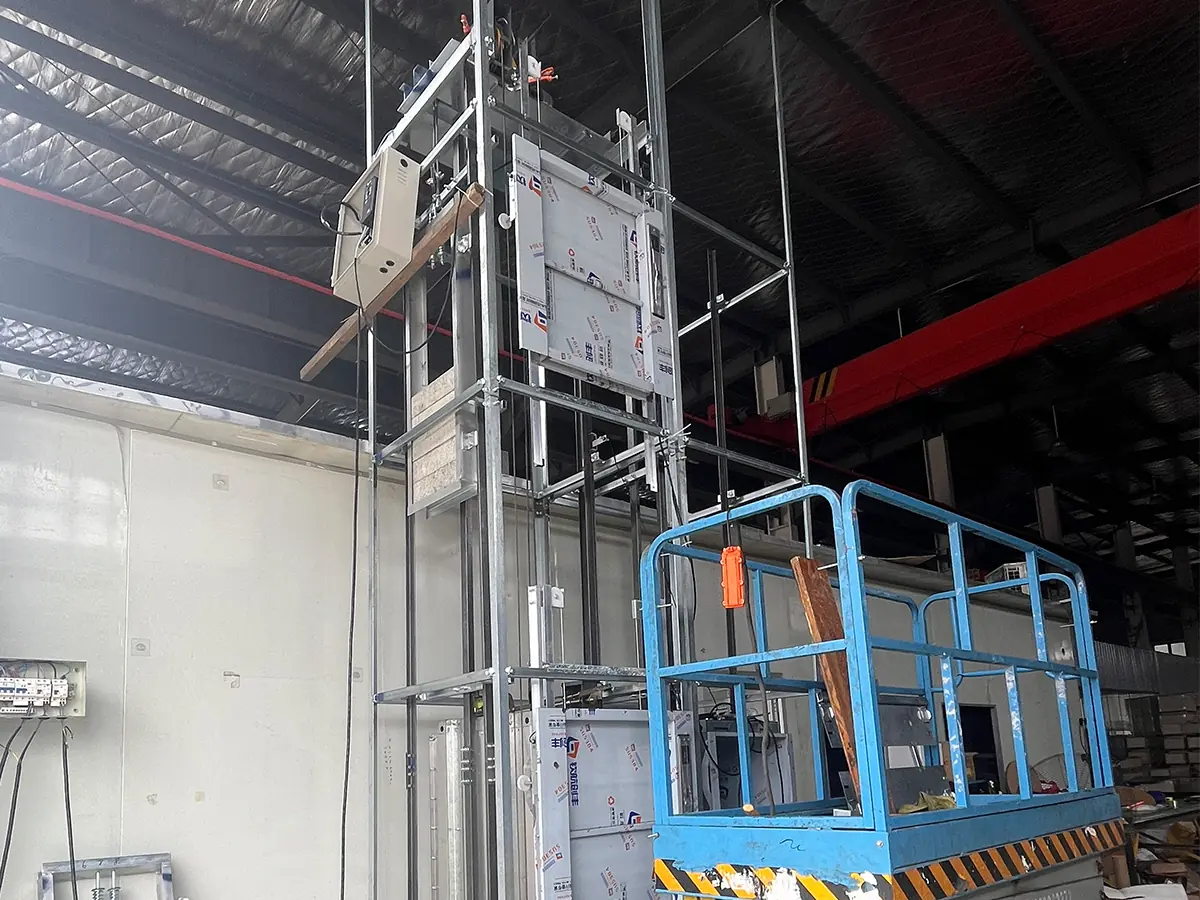
The load test is the heart of factory testing. In practice:
That signed sheet is the document your inspector and insurer will ask about later — keep it with the machine’s file. If you are buying from abroad, our China factory sourcing guide explains how to verify this evidence before you pay the balance.
For imports, a pre-shipment inspection protects you before the container is sealed:
A buyer who skips PSI trades a few hundred dollars of inspection for the risk of receiving a unit that never worked. It is the cheapest insurance in the purchase.
Testing continues after the crate opens. Commissioning on site should include:
Never commission a unit without this certificate — it is your proof that the installed lift meets its spec.
Testing does not end at handover. A safe dumbwaiter is a regularly checked dumbwaiter:
For the upkeep routine that keeps a lift test-ready all year — what to check, how often, and what a technician should verify — the maintenance specialists at ServLifts have a practical guide that covers the same ground.
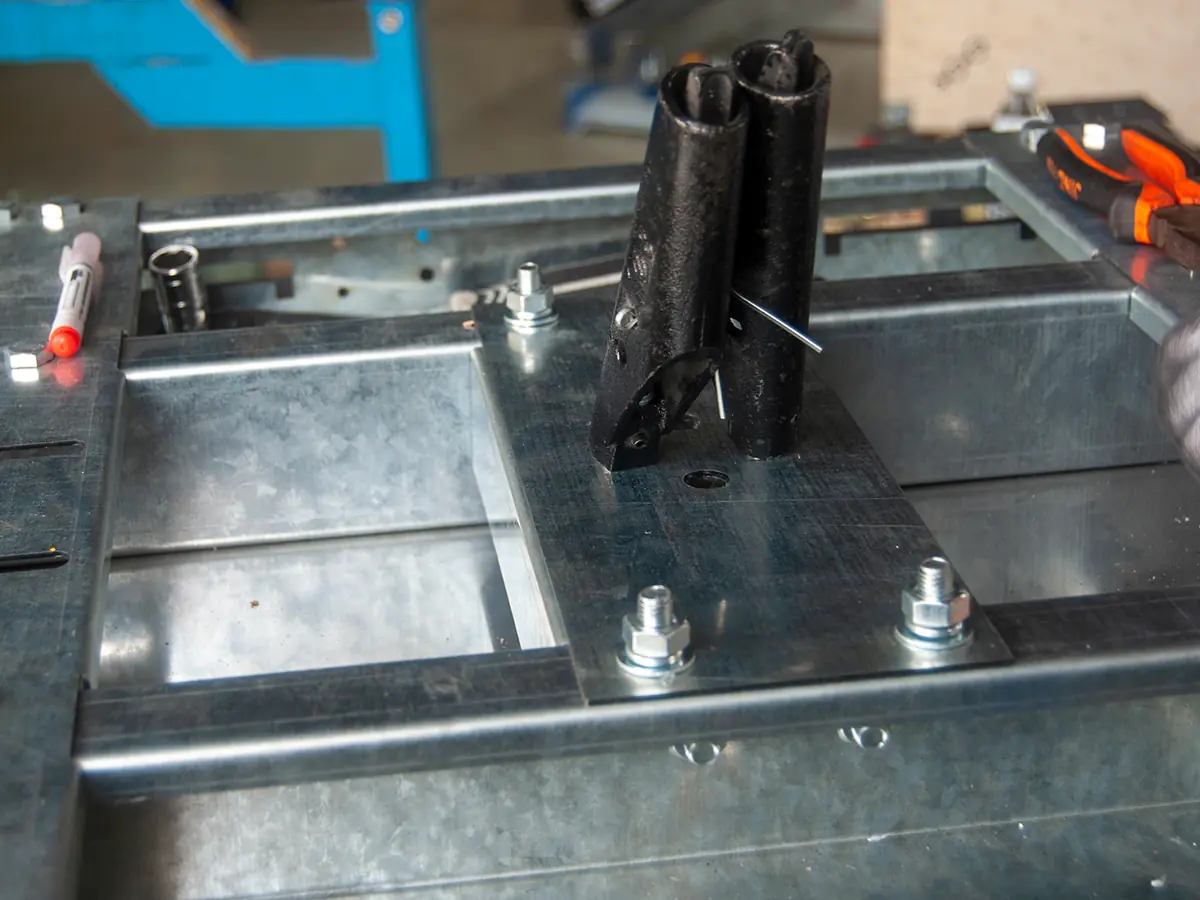
Before you sign off, ask for and keep these documents:
| Document | What it proves | When to get it |
|---|---|---|
| Factory load-test sheet | Unit tested to rated load and safety functions | Before shipment / at PSI |
| CE / declaration of conformity | Compliance with applicable standards | With the order documents |
| Third-party inspection report | Independent verification of spec and test | If you use PSI |
| Commissioning certificate | Installed unit tested and handed over | At installation completion |
| Annual inspection record | Ongoing compliance and safety | Every year of operation |
If any of these are missing, ask why. A supplier who cannot document testing is a supplier whose testing does not exist.
Knowing what usually fails helps you check before the inspector does:
Each of these is caught by the test battery above — which is precisely why testing matters.
The cab is loaded to its rated capacity (often 125% for the brake check), cycled through all landings, and checked for smooth travel, levelling, brake holding, and overload behaviour. Results are recorded on a signed test sheet.
In most markets with EN 81-3 or ASME A17.1-based rules, yes — a qualified inspector must periodically re-verify safety functions. Even where not mandated, an annual check is the cheapest way to prevent failures and maintain insurance cover.
At minimum: the factory load-test sheet, a CE declaration or equivalent conformity document, the commissioning certificate from installation, and (for imports) the third-party inspection report if you arranged one.
You can run daily visual checks and basic function checks, but load and safety testing should be done by a qualified technician with the right test weights and instrumentation. The daily checks you can do are listed in our operation guide.
Testing is the thread that runs from the factory floor to the tenth year of service. Demand the tests, keep the records, and run the annual checks — then your dumbwaiter is not just a machine that was claimed to be safe, but one that is proven to be safe, every year.


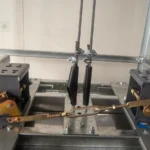
[…] How do I size one? Match capacity to your busiest single trip; see shaft size and testing guidance. […]
[…] and dynamic load test at or above rated capacity, plus a function test of every safety device. Our testing and inspection guide walks through factory and annual checks. Keep a record of each test — inspectors and insurers […]