Address
No.3185 Xizha Rd,Dachuangang, Zhenze,Wujiang,Suzhou,China
Work Hours
24/7 Global Support
Address
No.3185 Xizha Rd,Dachuangang, Zhenze,Wujiang,Suzhou,China
Work Hours
24/7 Global Support
A laundry dumbwaiter moves clean and soiled linen between floors in hotels and laundries. Learn sizes, hygiene, and installation considerations.
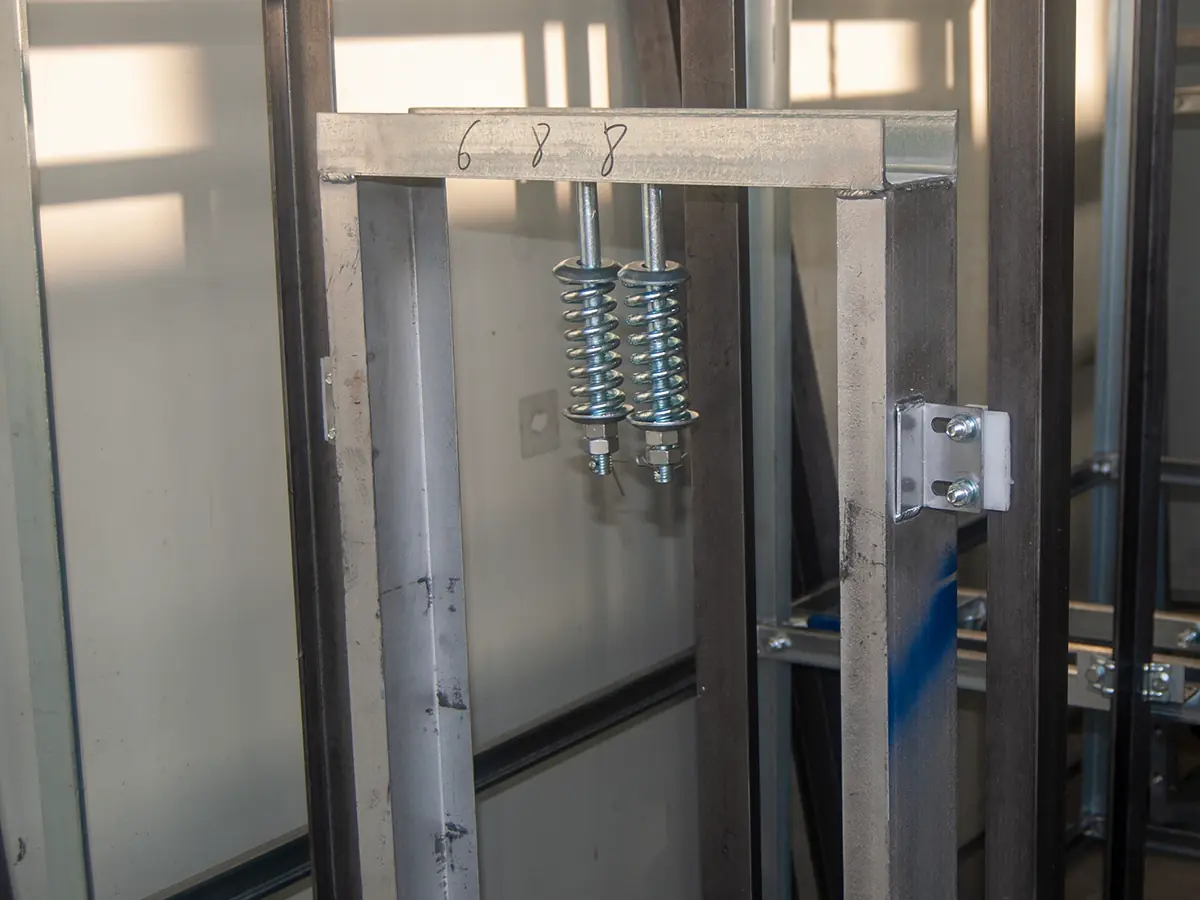
In any hotel, laundry is a full-time vertical logistics problem. Clean linen has to reach every floor, and soiled linen has to come back down — all day, every day, without tying up guest elevators or a porter’s whole shift. A laundry dumbwaiter — a dedicated service lift sized for linen loads — solves it silently and safely, and it is one of the highest-value additions a mid-size hotel can make.
This guide covers why hotels and commercial laundries install laundry dumbwaiters, how they differ from food-service dumbwaiters, the sizes and configurations that work, hygiene and safety requirements, and what to consider before installing one. It builds on our hotel dumbwaiter guide and our buying guide.
Linen moves in both directions, on a constant cycle:
Running these loads by hand means porter trips, corridor congestion, and staff time. A dedicated linen lift moves the same volume in seconds, keeps guest elevators free, and protects housekeeping schedules — which is why it is the quiet workhorse of hotel operations.
The machine is the same family, but the spec differs. What changes for laundry duty:
| Aspect | Food-service dumbwaiter | Laundry dumbwaiter |
|---|---|---|
| Primary loads | Meal trays, dishes, pots | Linen bundles, towels, supplies |
| Cab finish | Food-grade stainless, wash-down | Stainless or coated, spill-resistant |
| Typical capacity | 50–100 kg common | 100–200 kg for bundle loads |
| Clean/dirty flow | Clean food, soiled trays | Clean linen vs soiled linen |
| Doors | Interlocked landing doors | Interlocked landing doors, often larger opening |
If a hotel runs one lift for both food and linen, the food-service spec (stainless, wash-down) works for both — but a dedicated laundry unit is sized and scheduled to protect hygiene, which matters more in hotels than most buyers expect.
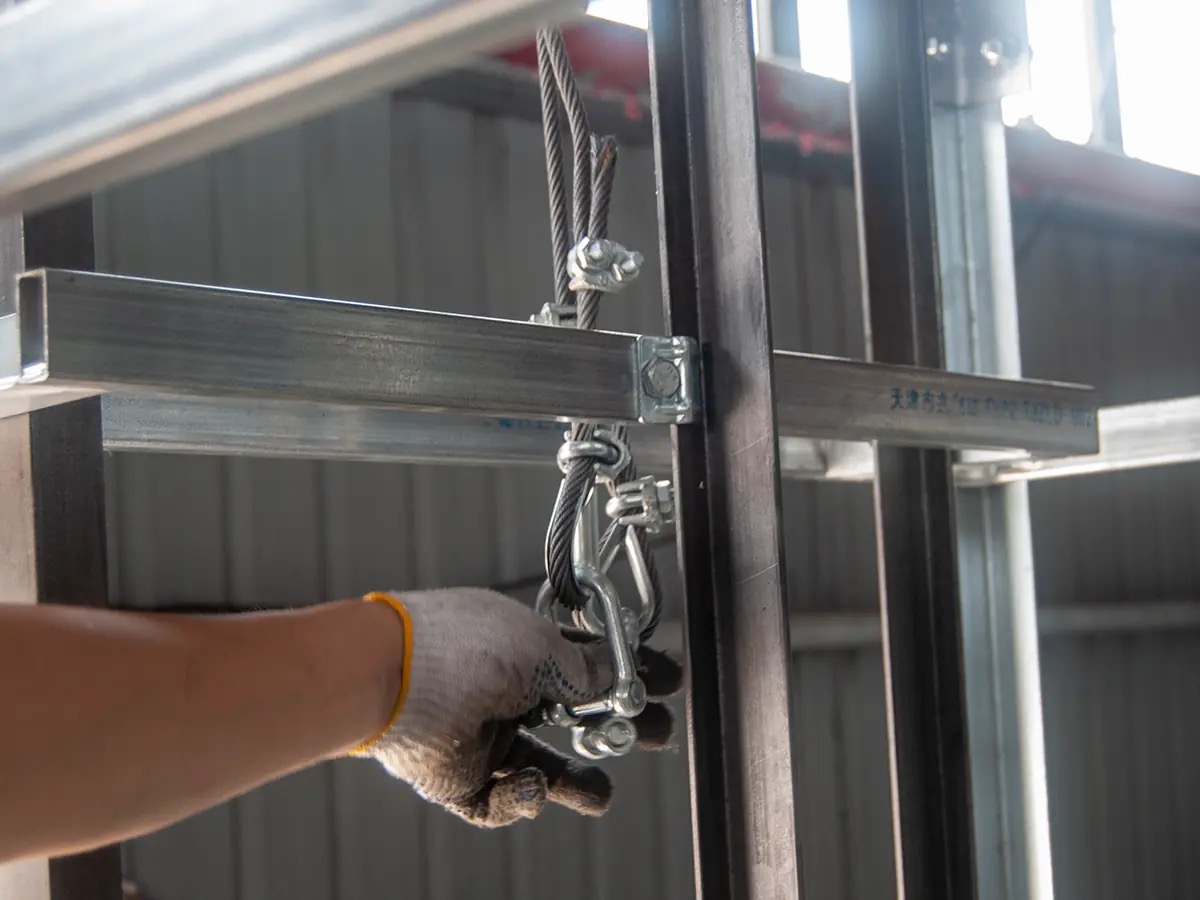
Size to your biggest daily bundle cycle, not a single trip:
| Rated load | Typical cab (W×D×H) | Best for |
|---|---|---|
| 100 kg | 60×60×80 cm | Boutique hotels, single-floor bundles |
| 200 kg | 80×80×100 cm | Mid-size hotels, housekeeping carts |
| 300 kg | 100×100×120 cm | Large hotels, central laundries, bulk loads |
Window-type units suit a laundry room directly below the floors it serves; floor-type units with landing doors handle three or more levels or full housekeeping carts. For the space and shaft numbers your architect will need, our shaft size guide has the details.
In hotels and laundries, hygiene is not optional:
This is the same discipline we outline for healthcare dumbwaiters — any building that moves clean and soiled goods needs the flow to be deliberate, not accidental.
A laundry dumbwaiter is still a lift, with the same non-negotiables:
Retrofitting a laundry dumbwaiter in an operating hotel has a few extra constraints:
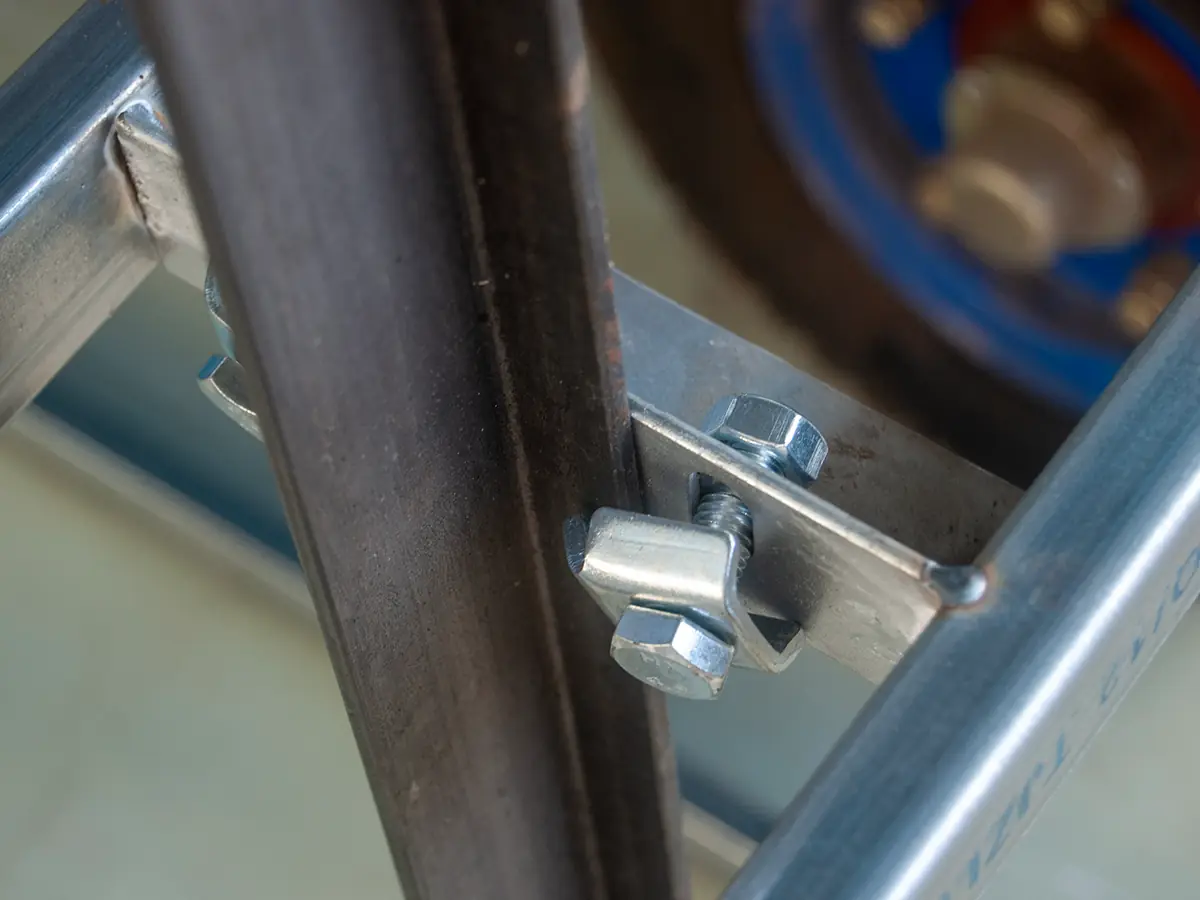
Most hotels run a mix: a dumbwaiter for routine clean/soiled linen between floors, and a service elevator for trolleys, equipment, and bulk deliveries. If your linen volume is small and your floors few, a dumbwaiter alone is enough; if you move full laundry carts or heavy equipment, budget for both. Our dumbwaiter vs service elevator comparison helps you decide the split.
Keep the routine simple:
For a hotel-specific walkthrough of linen and towel lift setups — including typical layouts, capacities, and what to specify — the hospitality team at ServLifts has published a dedicated laundry dumbwaiter guide for hotels.
A small service lift dedicated to moving linen, towels, and housekeeping supplies between floors in a hotel, laundry, or care facility. It is built and scheduled to keep clean and soiled flows separate.
Boutique hotels typically run a 100 kg unit with a 60×60×80 cm cab; mid-size hotels step up to 200 kg to take housekeeping carts. Size to your busiest daily cycle, not your average trip.
Technically yes, if specified for food service and cleaned between uses — but hotels usually prefer separate cars or strict clean/dirty schedules. Dedicated linen units protect hygiene and avoid cross-use.
Only if you move full laundry carts, equipment, or bulk deliveries. For routine linen between a few floors, a laundry dumbwaiter is enough; larger operations run both, as covered in our service elevator comparison.
A laundry dumbwaiter is the quiet solution to a constant hotel problem: linen that has to move, every hour, without drama. Size it to your peak cycle, protect the clean/dirty flow, install with minimal disruption, and keep the maintenance simple — then it quietly earns its place in every housekeeping shift.