How to Buy a Dumbwaiter from a China Factory: The Complete Import Guide
Buying a dumbwaiter from a China factory can save you 30-50%. Learn how to vet factories, compare quotes, handle export logistics, and avoid common import pitfalls.
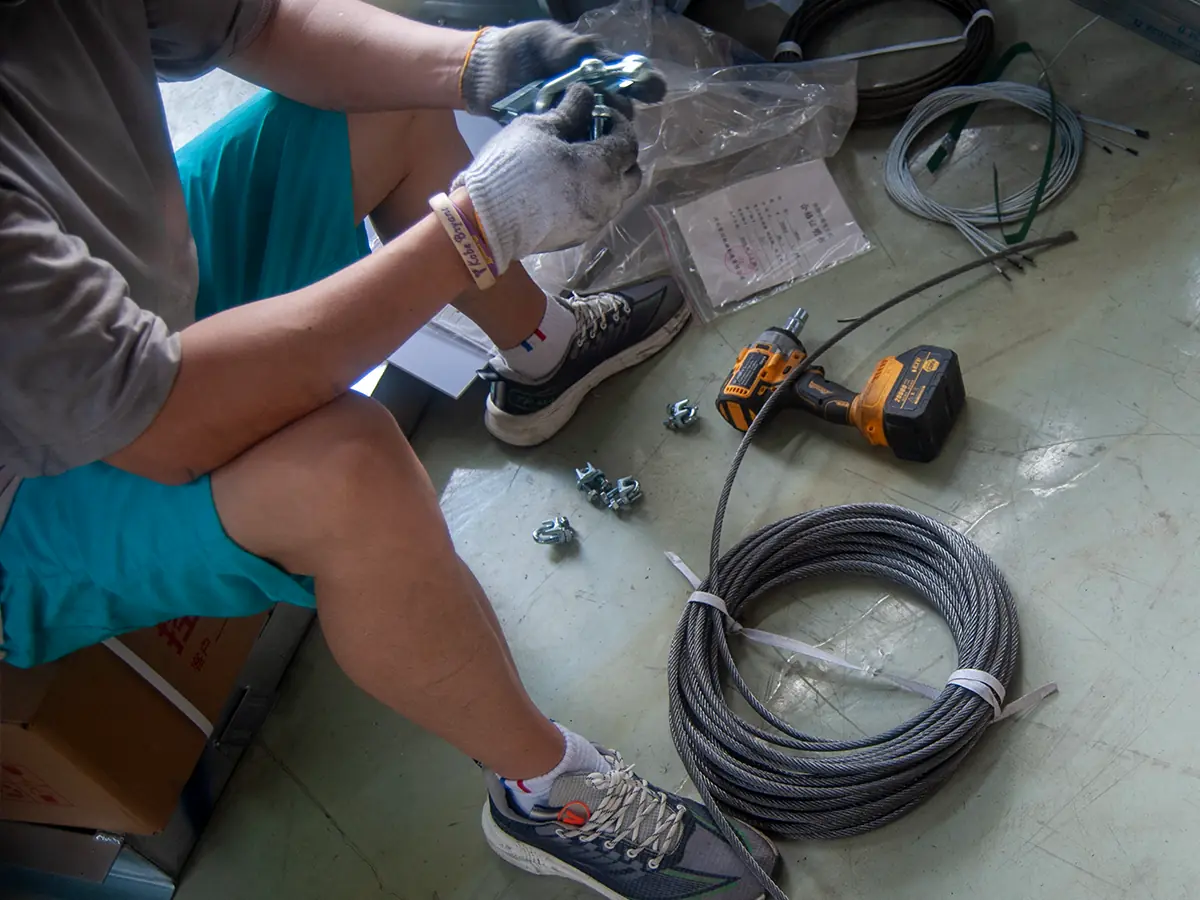
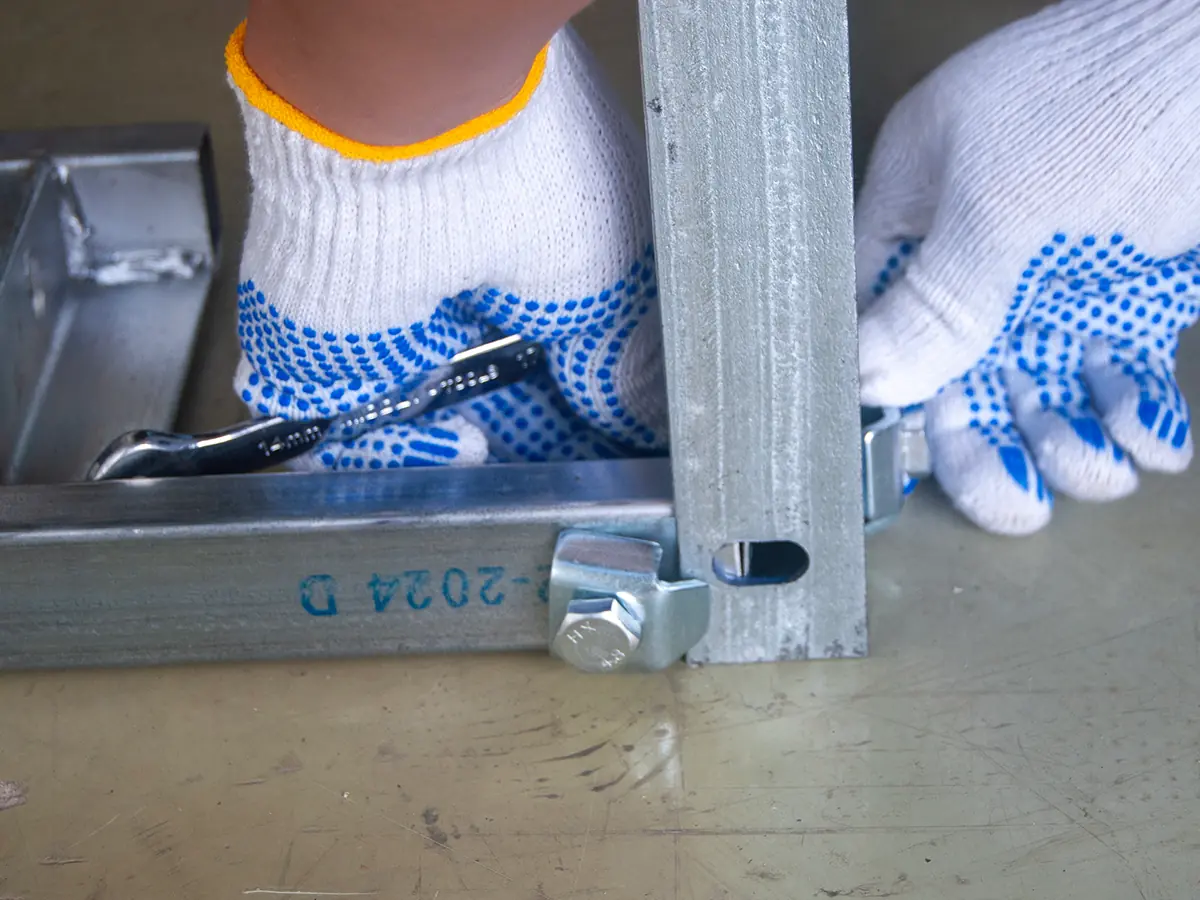
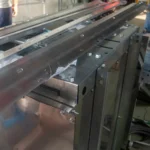
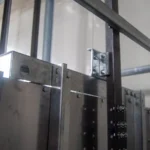
China’s dumbwaiter factories combine in-house fabrication, assembly, and export quality control under one roof.
If you are buying a commercial dumbwaiter for a restaurant, hotel, or care facility, chances are the best price sits in a factory in China. The same unit that a local dealer marks up 50–80% can often be sourced directly from the manufacturer — with the same CE or ASME-compliant engineering. But buying a dumbwaiter from China done right is a process: vet the factory, specify the unit correctly, compare quotes, and manage shipping and import without surprises.
This guide walks through that process end to end — why China, how to screen suppliers, how to spec and compare quotes, production checks, export logistics, installation, and the pitfalls that cost buyers the most. It pairs with our buying guide (what to buy) and our look at how a quality unit is built (what good manufacturing looks like).
Why Buy a Dumbwaiter from China?
Price — sourcing directly from the factory typically saves 30–50% versus a local dealer, especially for standard 50–300 kg units.
Customization — factories build to spec: cab size, stainless grade, voltage, door type, and finish are configurable in ways off-the-shelf stock often is not.
OEM/ODM — many buyers order under their own brand, with the factory handling engineering and certification.
Mature supply base — elevator and dumbwaiter manufacturing is concentrated in established clusters where components and expertise are close at hand.
The China Dumbwaiter Supply Base
Two things matter when you start: factory vs trading company, and where the factory is.
Source factories, not trading companies — a trading company adds a margin and adds a layer between you and whoever actually builds the unit. A real factory shows you its workshop, its weld line, and its load-test rig. Ask directly: “Are you the manufacturer?” and verify with photos, video calls, or a visit.
Clusters — dumbwaiter and small lift production is strongest in the Yangtze Delta (around Suzhou, Shanghai, Hangzhou) and the Pearl River Delta (Guangdong). These regions also sit close to the major export ports, which shortens inland logistics.
How to Vet a Dumbwaiter Factory
Treat every supplier like a candidate for a job with a two-week interview. Minimum checklist:
Certificates — CE (EN 81-3 for dumbwaiters), ISO 9001, and any market-specific approvals you need (e.g., ASME A17.1 for North America). Ask for copies, not screenshots, and verify numbers with the issuing body where possible.
Export experience — how many countries have they shipped to? Do they understand FOB, CIF, and container loading? Do they have English-speaking export staff?
Evidence of production — a live video call through the workshop, real photos of the production line and test rig, and references from existing customers in your region.
Spare parts policy — will they supply the exact controller and door parts for ten years? What is the lead time?
Load-test and inspection — a serious factory load-tests every unit and documents it; the process we describe in how a quality dumbwaiter is built is what you want to see in their videos.
Units are crated and loaded for sea freight — packaging and incoterms are part of the deal, not an afterthought.
Specifying Your Unit
The quote is only comparable if the spec is identical. Lock these before asking for prices:
Rated load and cab size — use our sizing guidance to match capacity to traffic.
Voltage and frequency — 220V single-phase, 380V three-phase, or 110V for North America; wrong voltage is the most common import mistake.
Finish — stainless grade (e.g., 304 for food contact), sealed controls for wash-down environments.
Controls — PLC/inverter control with documented safety circuits; see our control system explainer.
Standards — EN 81-3, ASME A17.1, or local code, and who certifies it.
Getting and Comparing Quotes
Ask every supplier for the same basis:
Term
What it includes
Who pays freight/risk
EXW
Unit at factory door
Buyer arranges everything
FOB
Unit loaded on vessel at Chinese port
Buyer from ship onward
CIF
Unit + freight + insurance to destination port
Seller until destination port
DDP
Delivered, duty paid, to your door
Seller handles most of it
Compare FOB or CIF prices from at least three factories, and always ask: what is the MOQ, the production lead time, the payment terms (typically 30% T/T deposit, 70% before shipment), and whether a third-party inspection (SGS/BV style) is allowed before payment of the balance. Also budget for packaging and any export crating fees — a well-crated unit is the difference between arriving perfect and arriving dented.
Production & Quality Control
A typical order runs 2–4 weeks of production after deposit. Protect yourself with three checkpoints:
Pre-production — confirm the approved spec and drawings in writing before work starts.
Mid-production — photo or video updates of the cab, welding, and controls.
Pre-shipment inspection — a load test and function check on the finished unit, either by you, a third party, or via live video, before the balance is paid and the container is sealed.
Sea freight — most dumbwaiters ship by sea. A single unit can go LCL (less than container load); multiple units or a full order go FCL.
Packaging — units arrive knocked-down or semi-assembled, crated for sea. Confirm the crating spec and that the crate fits your delivery route.
Import — your local customs needs the commercial invoice, packing list, bill of lading, and the certificate of origin. HS codes for dumbwaiters/small lifts vary by market; ask your forwarder or customs broker for the right classification and any import duties.
Local certification — some markets require a local conformity assessment or installation by a licensed company before the unit can be commissioned. Factor this into cost and timeline.
Installation & After-Sales
A China factory usually supplies the unit, not the on-site installer. Plan for:
Local installer — a licensed lift or elevator contractor to install and commission; our installation guide shows what the process involves.
Spare parts — order a small spares kit (controller board, door contacts, buttons) with the unit so minor faults never wait on a 4-week shipment.
Remote support — a good supplier offers remote troubleshooting by video for the control system; combined with a local technician, most issues resolve in days, not weeks. Then follow the routine in our maintenance guide.
Common Pitfalls to Avoid
The too-cheap quote — if the price is 40% below everyone else, the factory is skipping something: thinner steel, no real load test, or a trading company margin. Quality costs what it costs; our cost guide shows realistic ranges.
Voltage and standard mismatch — a unit built for 380V/50Hz with EN 81-3 can be useless or illegal in a 110V/60Hz ASME market. Spec to your market first.
No inspection clause — never pay 100% before a verified load test. The deposit protects you; the balance is your leverage.
Ignoring the safety chain — door interlocks and limit switches are non-negotiable; confirm them on paper and in the test, and read our safety features article so you know what to check.
Frequently Asked Questions
How much can I save buying a dumbwaiter from China?
Direct-from-factory pricing typically saves 30–50% versus buying through a local dealer, depending on unit size, volume, and logistics. Savings shrink if you need heavy customization or door-to-door service, so compare total landed cost, not just the FOB price.
Is it safe to buy a dumbwaiter from a Chinese factory?
Yes, when you vet the factory properly. Check CE/ISO certificates, request live factory video, confirm export experience, and always arrange a pre-shipment load test. The risk is in buying from unvetted trading companies, not in Chinese manufacturing itself.
What is the lead time for a dumbwaiter order from China?
Typical production is 2–4 weeks after deposit for standard units, plus 3–6 weeks sea freight to most destinations, plus customs and local delivery. Plan 8–12 weeks from order to installation for a typical import.
Do I need a local installer for a China-made dumbwaiter?
Yes. The factory supplies the equipment; commissioning should be done by a licensed local lift contractor who can certify the installation to your market’s code. Ask your supplier for the drawings and wiring diagrams a local installer will need.
Buying a dumbwaiter from a China factory is a proven way to cut cost without cutting corners — as long as you treat it as a process: vet the source, fix the spec, compare like-for-like quotes, inspect before shipment, and plan the import. Do that, and the money you save is real, and the unit you install runs as well as anything sold through a dealer.