Address
No.3185 Xizha Rd,Dachuangang, Zhenze,Wujiang,Suzhou,China
Work Hours
24/7 Global Support
Address
No.3185 Xizha Rd,Dachuangang, Zhenze,Wujiang,Suzhou,China
Work Hours
24/7 Global Support
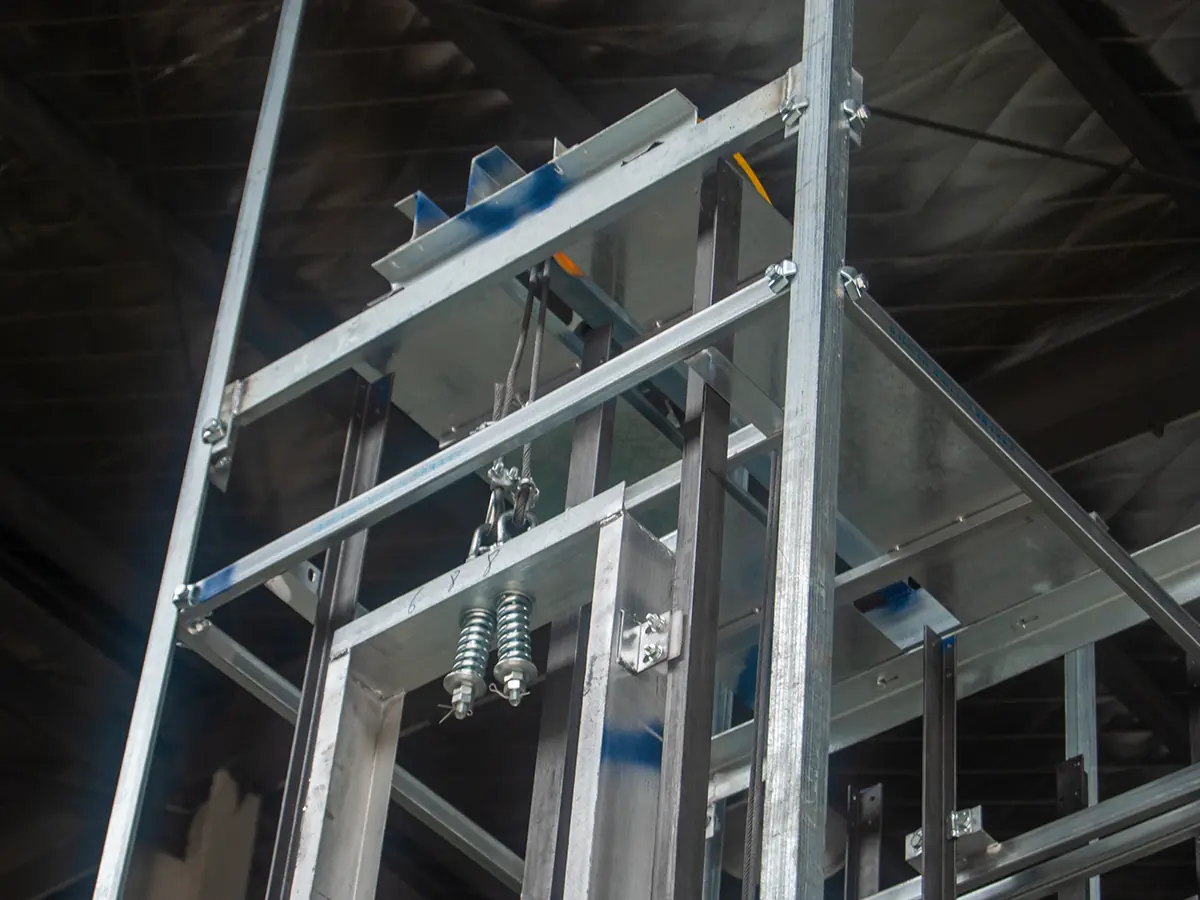
A commercial dumbwaiter is one of the most versatile pieces of equipment you can install in a multi-level building. While most people associate food lifts with restaurants, the same technology quietly powers operations in hotels, hospitals, bars, cafés, and even industrial sites. Understanding the range of dumbwaiter applications helps you spot opportunities to save labor and improve service in your own business.
In this guide, we explore the top places to use a commercial food lift, the capacity and configuration each setting typically needs, and how to match the right unit to the job. If you are weighing whether a dumbwaiter makes sense for your operation, this is the place to start.
This is the classic dumbwaiter for restaurant use case. When the kitchen sits on one floor and the dining room on another, a dumbwaiter moves plated meals up and dirty dishes down without staff climbing stairs. The result: hotter food, faster table turns, and less physical strain on servers.
Typical spec: Window-type unit, 50–250 kg, 2–4 stops. A compact footprint fits most urban kitchens.
In hotels, a dumbwaiter for hotel use goes beyond food. Staff use it to move linens, amenities, room-service trays, and housekeeping supplies between floors. Banquet and event spaces rely on them to keep service flowing during weddings and conferences.
Typical spec: Floor-type or heavy window-type, 100–500 kg, 3–6 stops. Look for roll-in carts and higher duty cycles.
Healthcare settings need quiet, hygienic, and reliable transport. A dumbwaiter for hospital moves meals, linens, lab samples, and pharmacy supplies between departments. Enclosed stainless-steel cabs support infection-control protocols, and battery backup keeps service running during power outages.
Typical spec: Food-grade stainless cab, 100–300 kg, optional UV-C sanitization, emergency battery lowering.
Even small venues benefit. A café dumbwaiter ferries pastries and coffee gear between a basement prep area and the street-level counter. Bars use them to move glassware and stock so bartenders stay focused on customers instead of running to the storeroom.
Typical spec: Window-type, 50–100 kg, 2 stops. Smallest and most economical option.
High-volume off-premise kitchens pack a lot into tight spaces. A food lift moves packed orders, ingredients, and empty containers between prep, packing, and dispatch zones, keeping the line moving during rushes.
Typical spec: Floor-type for bulk, 150–300 kg.
Dumbwaiters are not only for food. Libraries use them to move books between stacks, offices to shift documents and supplies, and labs to transport samples safely. Anywhere items need quiet vertical transport, a service lift fits.
Typical spec: Window or floor-type, 50–200 kg, depending on load.
For rugged, constant use, a chain-driven dumbwaiter moves parts, tools, and stock between mezzanine levels. Durability matters more than silence here, and higher capacities keep workflows efficient.
Typical spec: Chain-driven, 100–300 kg, heavy-duty construction.
Capacity is the first number to get right. Use this quick reference:
| Application | Recommended Capacity | Recommended Type |
|---|---|---|
| Restaurant / café | 50–250 kg | Window-type |
| Hotel / hospital | 100–500 kg | Floor-type |
| Bar / small venue | 50–100 kg | Window-type |
| Industrial / warehouse | 100–300 kg | Chain-driven |
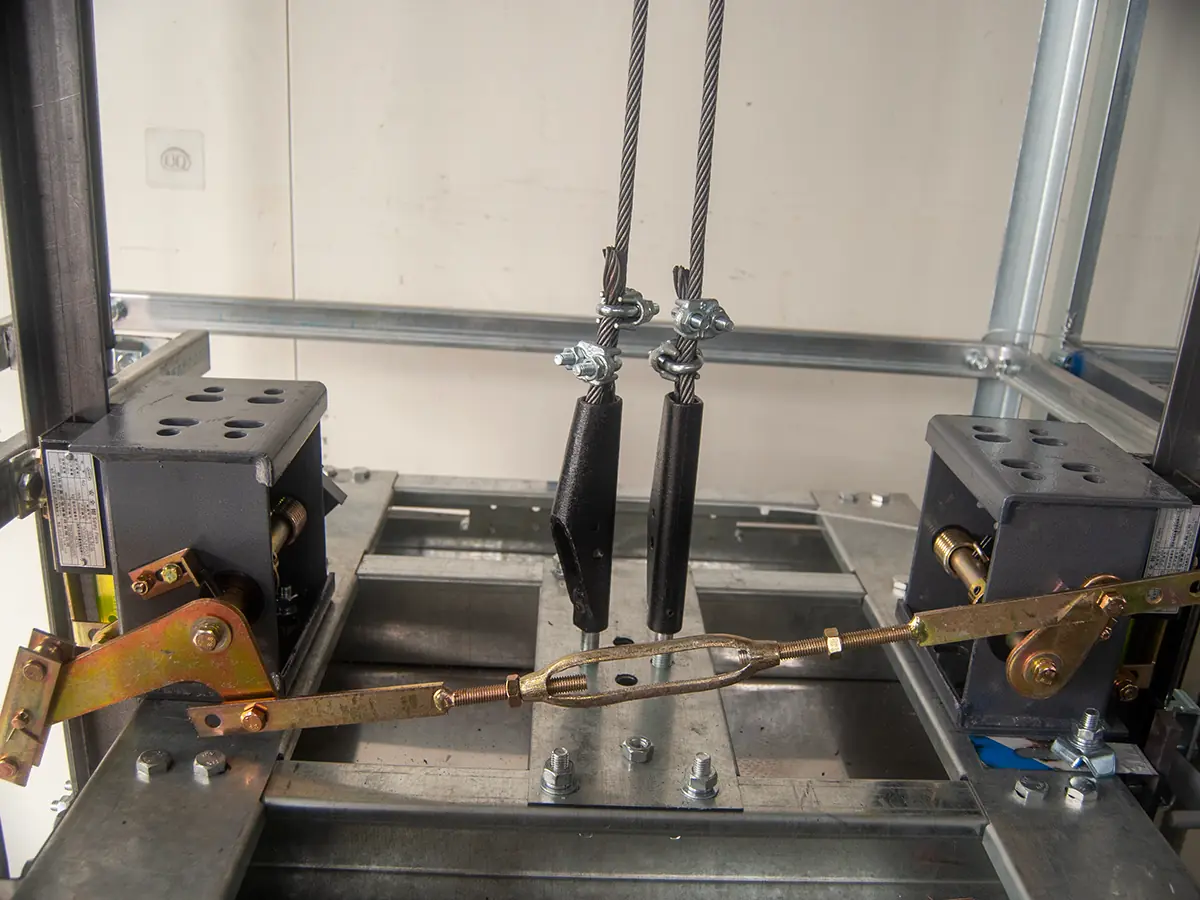
A dumbwaiter pays off when you answer yes to most of these:
If so, a commercial food lift will likely pay for itself in labor savings and service gains within one to two years.
At BsiteElevator, we build dumbwaiters for every one of these dumbwaiter use cases — from a 50 kg café lift to a 500 kg hotel floor-type. All units are CE-certified, built to ASME-aligned and EN 81-3 standards, and include door interlocks, emergency stop, and overload protection as standard.
Not sure which configuration fits your setting? Contact BsiteElevator and tell us your building, what you move, and how often. We will recommend the right capacity, type, and layout — and provide a quote tailored to your application.
The applications of a commercial dumbwaiter reach far beyond the restaurant kitchen. Hotels, hospitals, bars, cafés, labs, and warehouses all use them to move items safely and efficiently between floors. Match the capacity and type to your setting, and you unlock labor savings and better service almost immediately.


[…] our dumbwaiter applications & industries article for a deeper look at each sector before you spec a […]
[…] other dumbwaiter applications, the lift handles logistics so librarians focus on […]
[…] and cleaner, because goods never cross the dining or living areas. For indoor-only options, our applications guide shows where a standard unit fits […]
[…] lift in a freezer needs constant defrosting and still breaks down. For non-cold applications, our applications guide covers standard […]
[…] dumbwaiter also frees the kitchen team to focus on food instead of transport. For other venues, our applications guide shows where service lifts […]
[…] rated capacity in persons, and stricter life-safety systems. See our dumbwaiter types guide and our applications overview for […]