Address
No.3185 Xizha Rd,Dachuangang, Zhenze,Wujiang,Suzhou,China
Work Hours
24/7 Global Support
Address
No.3185 Xizha Rd,Dachuangang, Zhenze,Wujiang,Suzhou,China
Work Hours
24/7 Global Support
A used dumbwaiter tempts buyers with a lower price, but a cheap unit can become expensive the moment a part fails. The smart move is to inspect the same points a new buyer would, then weigh the savings against the risks. This article gives nine checks that separate a good second-hand unit from a money pit.
We cover condition, code compliance, spare parts, and warranty, and we explain when buying new is actually the cheaper path over the full service life.
The appeal of a used dumbwaiter is obvious: a lower upfront price and, sometimes, immediate availability. For a short-term site or a tight budget, that can make sense. The risk is hidden wear, outdated controls, and parts that are no longer made.
A used dumbwaiter also carries unknown service history. Unlike a new unit with a known build date, a second-hand one may have run for years in a harsh environment. The nine checks below close that information gap.
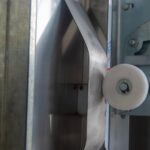
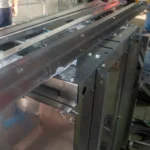
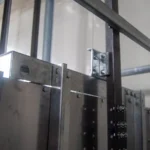
First, inspect the car, rails, and door gear for rust and wear. A used dumbwaiter that has lived near the coast may look fine but hide corroded fasteners. Run it through several trips and listen for grinding that signals worn guides.
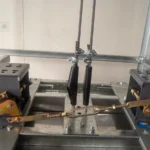
Second, check the controller and wiring. Burnt contacts or brittle insulation are common in older units and expensive to make safe. A clean electrical cabinet is a good sign the previous owner maintained it.
Third, confirm the unit still meets current safety rules. A used dumbwaiter built to an old standard may need expensive upgrades to pass inspection today. Check the nameplate against the ASME A17.1 safety code or the EU Lift Directive 2014/33/EU for your market.
Our dumbwaiter code requirements article lists what inspectors look for, which is exactly what you should check before buying used.
Fourth, confirm the make still supplies parts. A used dumbwaiter from a discontinued brand can strand you when a board fails. Ask for the parts list and verify the key items are still orderable.
Fifth, check whether the controller and drive are standard or proprietary. Standard components are cheap to replace; proprietary ones may require the original maker, who may no longer exist.
Sixth, ask whether any warranty transfers with the used dumbwaiter. Most do not, so you inherit all risk. Seventh, line up a local technician who knows the model before you commit.
Eighth, budget for a refurbishment, because even a good second-hand unit usually needs new seals and a service. Ninth, compare the total of purchase plus refurbishment against a new unit with a full warranty.
It can be, but only after a full inspection of the structure, controller, and code compliance. Never run a used dumbwaiter without verifying interlocks and a current nameplate.
From the original manufacturer if still trading, or from third-party suppliers for standard drives and controllers. Proprietary boards are the hardest to source.
When the used unit needs major refurbishment or lacks parts. A new dumbwaiter with a warranty often costs less over five years than a cheap used one that breaks.
A used dumbwaiter saves money only when the condition, code, parts, and support all check out. Run the nine checks, budget for refurbishment, and compare the total against new. For safe daily operation after purchase, read our maintenance guide and the dumbwaiter safe usage guide from our partner.