Address
No.3185 Xizha Rd,Dachuangang, Zhenze,Wujiang,Suzhou,China
Work Hours
24/7 Global Support
Address
No.3185 Xizha Rd,Dachuangang, Zhenze,Wujiang,Suzhou,China
Work Hours
24/7 Global Support
Dumbwaiter spare parts are cheap insurance against downtime. Learn which parts to stock, how long they last, and when to replace vs repair.
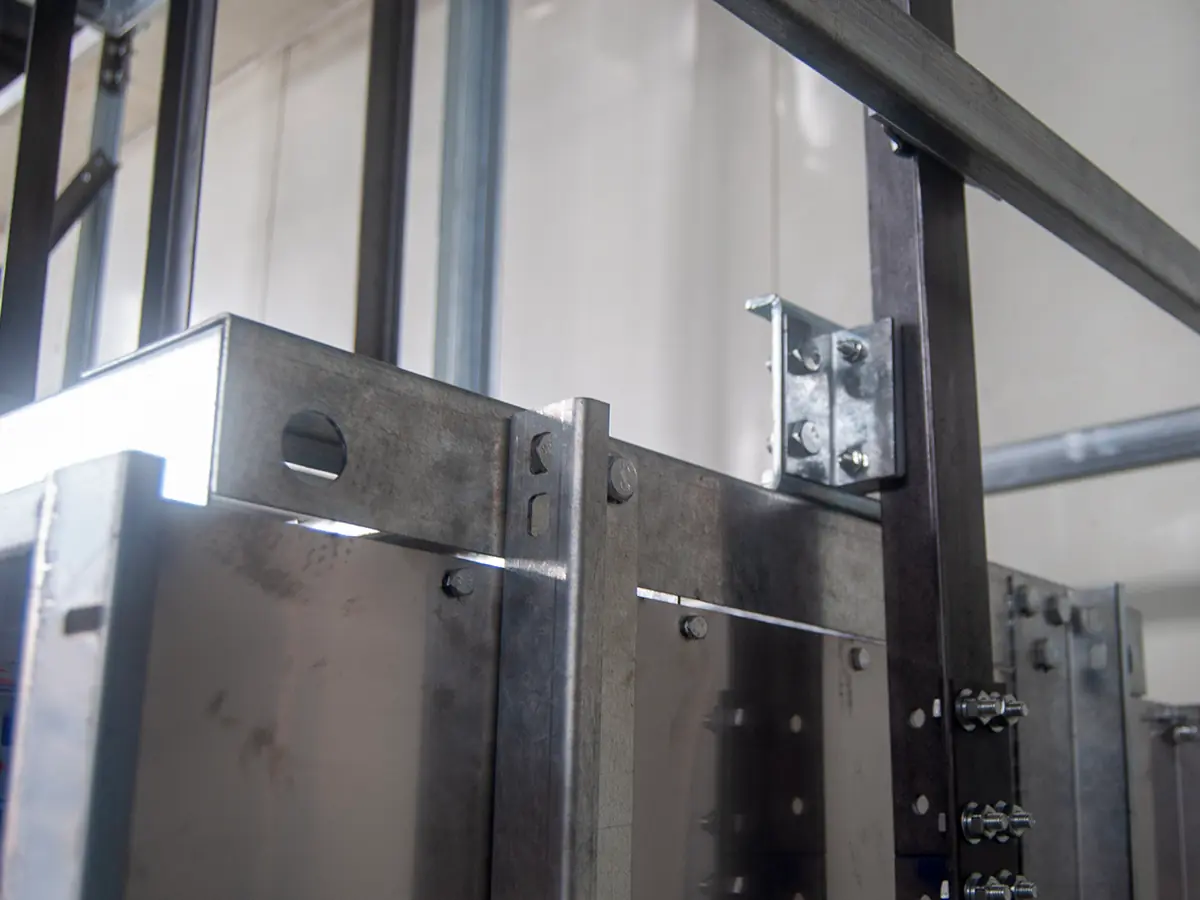
Every commercial dumbwaiter will eventually need a part replaced — a button that wears out, a door contact that misaligns, a control board that fails. The difference between a one-day repair and a two-week shutdown is simple: whether the right dumbwaiter spare parts were already in stock or waiting on a shipment. For a restaurant, hotel, or care facility, that difference is measured in service disruption and revenue.
This guide covers the spare parts every dumbwaiter owner should keep, how long each typically lasts, when to replace rather than repair, and how to source parts you can trust. It pairs with our maintenance guide (the routine that prevents most failures) and our control system explainer (what lives inside the cabinet).
Dumbwaiters are simple machines, but their components fail on a schedule — and the failure is never convenient:
Most owners need only a small, targeted kit — not a warehouse. The list below covers the essentials.
| Part | Typical life | Failure signs |
|---|---|---|
| Call buttons / panel switches | 3–5 years | Sticky, intermittent, or unresponsive buttons |
| Door interlock contacts | 2–4 years | Doors “almost” close; car refuses to move |
| Limit switches | 3–6 years | Car overtravels or stops erratically |
| Control board (PLC/relay) | 5–10 years | Random faults, no response, alarm codes |
| Traction machine / motor | 10–15 years | Noise, vibration, slow travel |
| Ropes and guide shoes | 5–8 years | Wear, fraying, rough ride |
| Door rollers and hinges | 3–5 years | Dragging or crooked doors |
For a new installation, ask the supplier for a recommended spares kit with the unit — most quality manufacturers offer one, and it is far cheaper than the first emergency call-out. The load-test and commissioning records in our testing guide tell you which components were verified at handover, so you know your starting point.
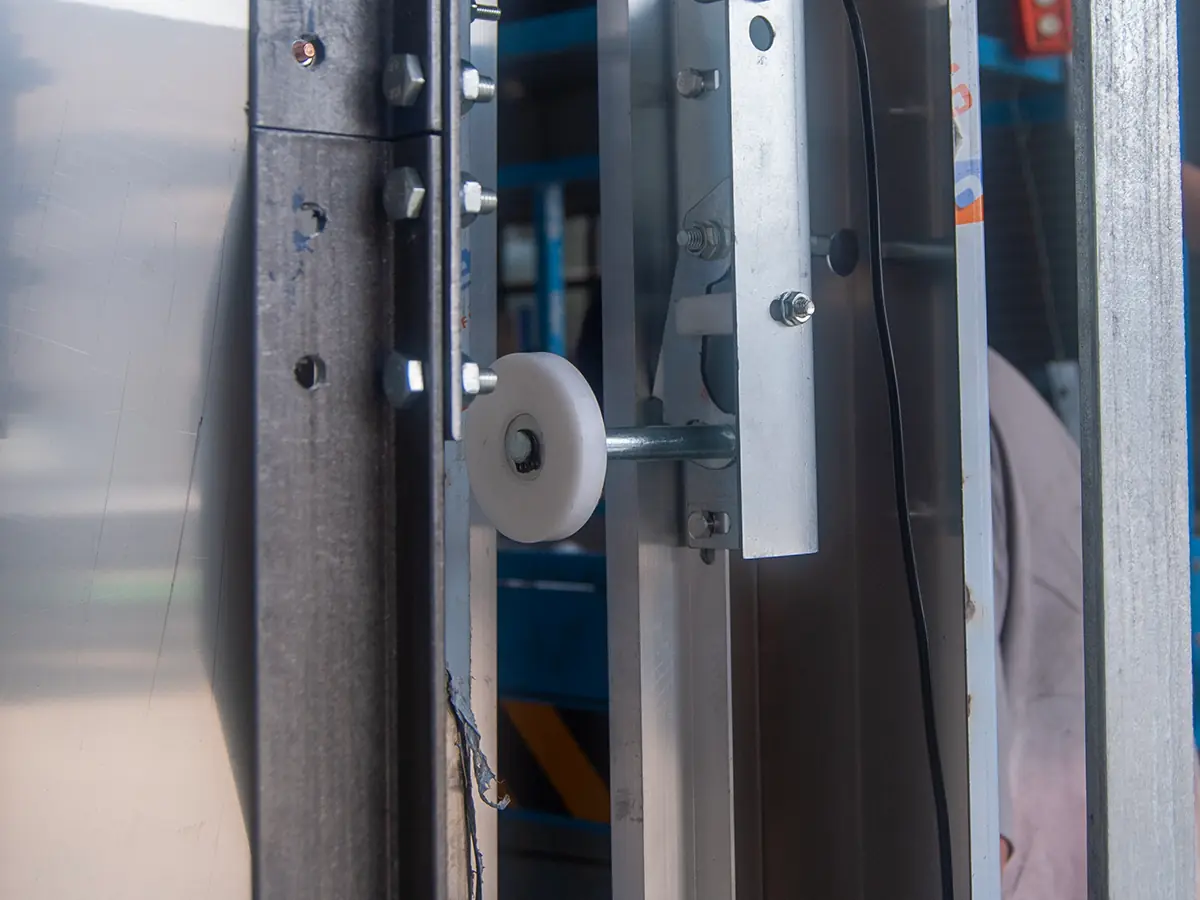
A few rules of thumb keep the decision simple:
When in doubt, replace the safety-critical part. A door interlock or limit switch is not the place to save money.
You will see both options in the market:
Rule of thumb: never use compatible parts in the safety circuit (interlocks, limits, brakes). For buttons and rollers, a good compatible part is usually fine. If you are sourcing from abroad, our China factory sourcing guide covers how to verify that the parts you order match the exact model and serial number of your unit.
Start with a lean kit and grow it once you know your unit’s weak points:
Keep spares dry, labelled, and logged in your maintenance file — a part you cannot find is a part you do not have. Track what you use in the log described in our maintenance guide.
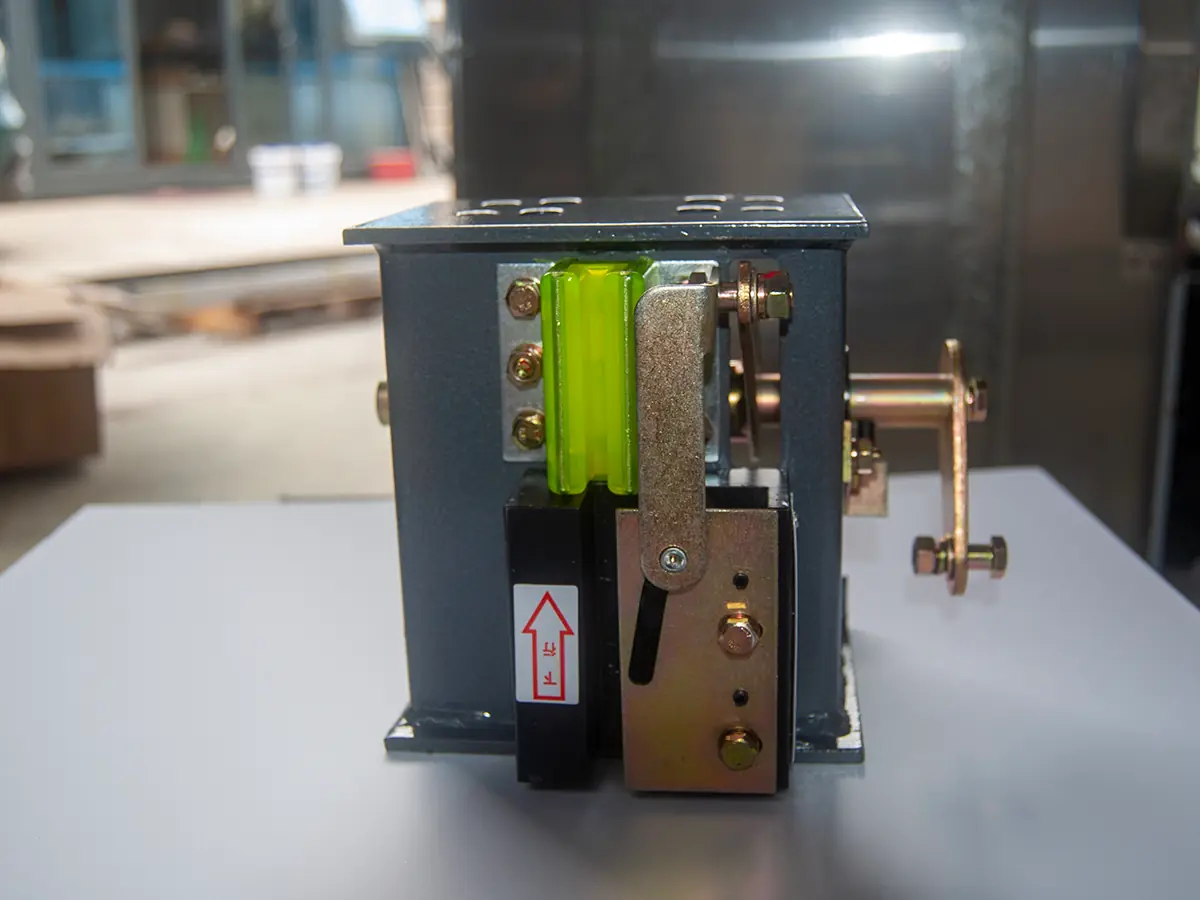
Where you buy parts matters as much as what you buy:
Many factories now ship spare parts directly to end users worldwide. For an example of a supplier that stocks control cabinets and drives as off-the-shelf spares — with remote support to confirm the right part — the team at ServLifts maintains a dedicated spare parts range alongside its complete dumbwaiter builds.
The essentials are call buttons, door interlock contacts, limit switches, door rollers, guide shoes, and ideally a spare control board. Wear parts fail first, so stock the small items even if you skip the electronics.
Consumables like buttons and contacts last roughly 3–5 years; control boards 5–10 years; traction machines 10–15 years with proper maintenance. Actual life depends on usage and the care routine in our maintenance guide.
Yes for mechanical consumables like rollers and buttons, but avoid compatible parts in the safety circuit — interlocks, limit switches, and brakes should always be OEM. Confirm compatibility by model and serial number before ordering.
Note the unit’s model and serial number, photograph the faulty part, and describe the symptom. A good supplier — ideally the original manufacturer — can confirm the right part by video before you order.
Dumbwaiter spare parts are cheap insurance against the most expensive failure: downtime. Stock the small, high-wear items, keep the control board on the shelf if you can, buy safety parts from the maker, and log everything you replace. Then a breakdown becomes a one-hour fix instead of a two-week shutdown.