Address
No.3185 Xizha Rd,Dachuangang, Zhenze,Wujiang,Suzhou,China
Work Hours
24/7 Global Support
Address
No.3185 Xizha Rd,Dachuangang, Zhenze,Wujiang,Suzhou,China
Work Hours
24/7 Global Support
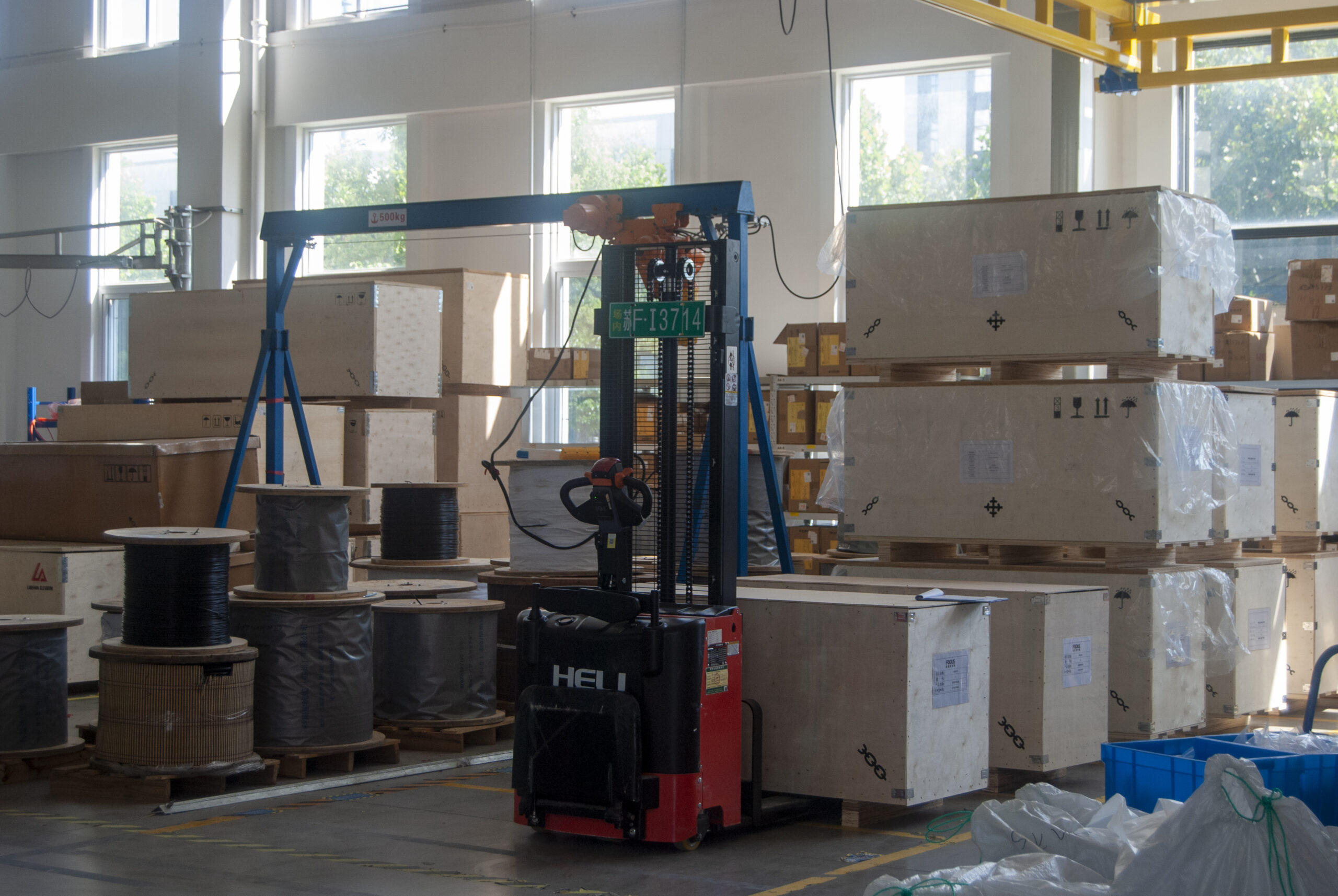
Dumbwaiter modernization is the practical way to extend the life of an old service lift without the cost of a full replacement. By keeping the shaft and car but replacing the drive, controller, and doors, you gain reliability and compliance at a fraction of a new build. This guide walks through seven proven retrofit steps.
We cover what to keep, what to replace, the code points that trigger a modernization, and how to plan the work so the building stays running.
The strongest case for a dumbwaiter modernization is the shaft. An existing shaft is already built, permitted, and cut through the floors, so reusing it avoids major civil work. Replacing only the mechanical and electrical parts captures most of the reliability gain at lower cost.
A dumbwaiter modernization also reduces downtime. A retrofit can often be done in stages over a weekend, while a full replacement closes the lift for weeks. For brand-new builds, see our shaft size guide.
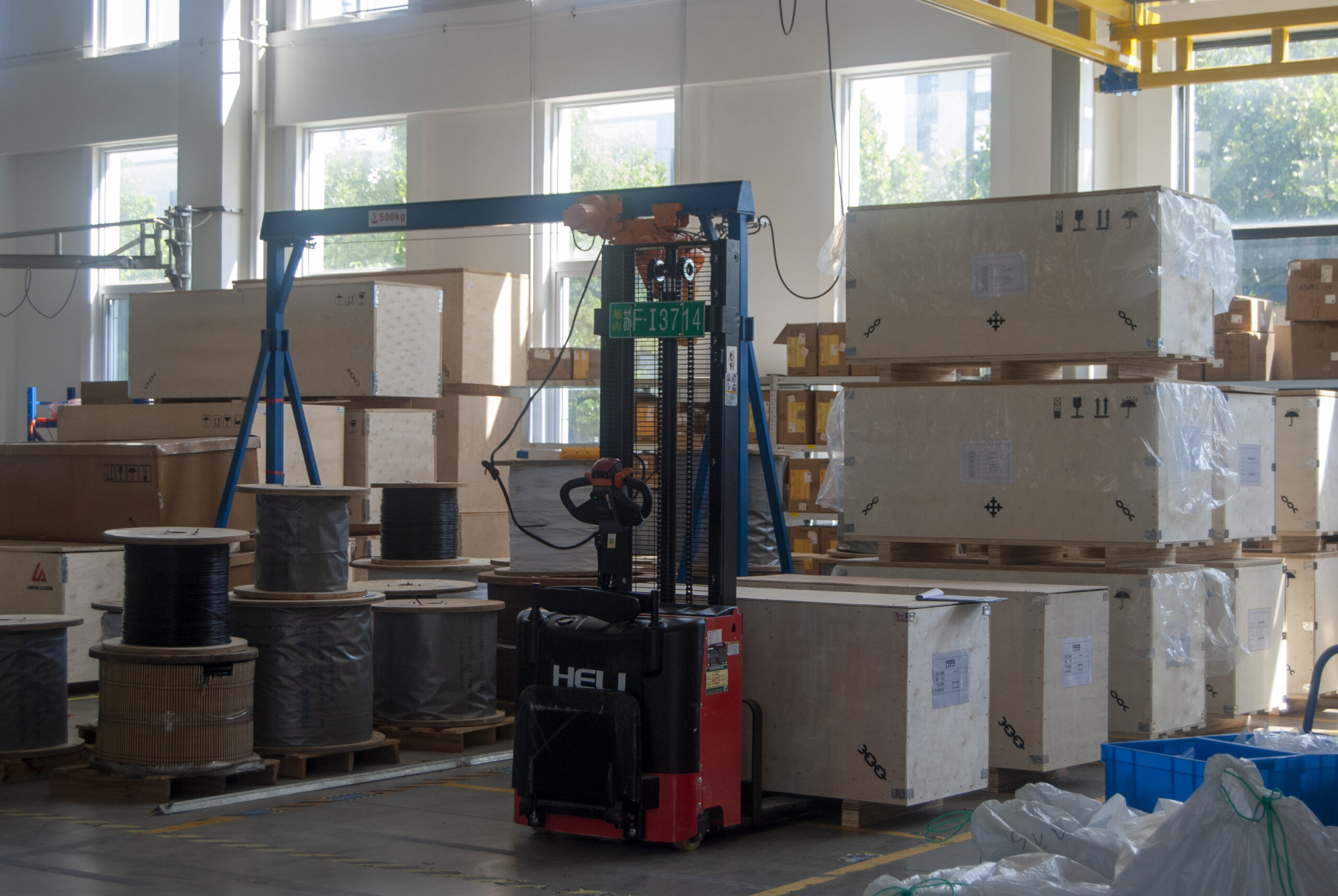
The drive is usually the first thing to fail on an old unit. A modern traction or VFD machine is smoother, quieter, and more efficient than the original winch. Swapping it is the core of any dumbwaiter modernization and the biggest reliability win.
A new machine also restores capacity that wear had eroded. If the old unit struggled with its rated load, a fresh drive brings it back to spec without changing the car.
Old relay logic is unreliable and hard to service. A modern controller with soft start, diagnostics, and remote alerts turns a temperamental lift into a predictable one. Part of a good dumbwaiter modernization is making faults easy to find before they strand users.
The controller upgrade also enables safer interlocks and smoother door operation. Our control panel guide explains what a modern system includes.
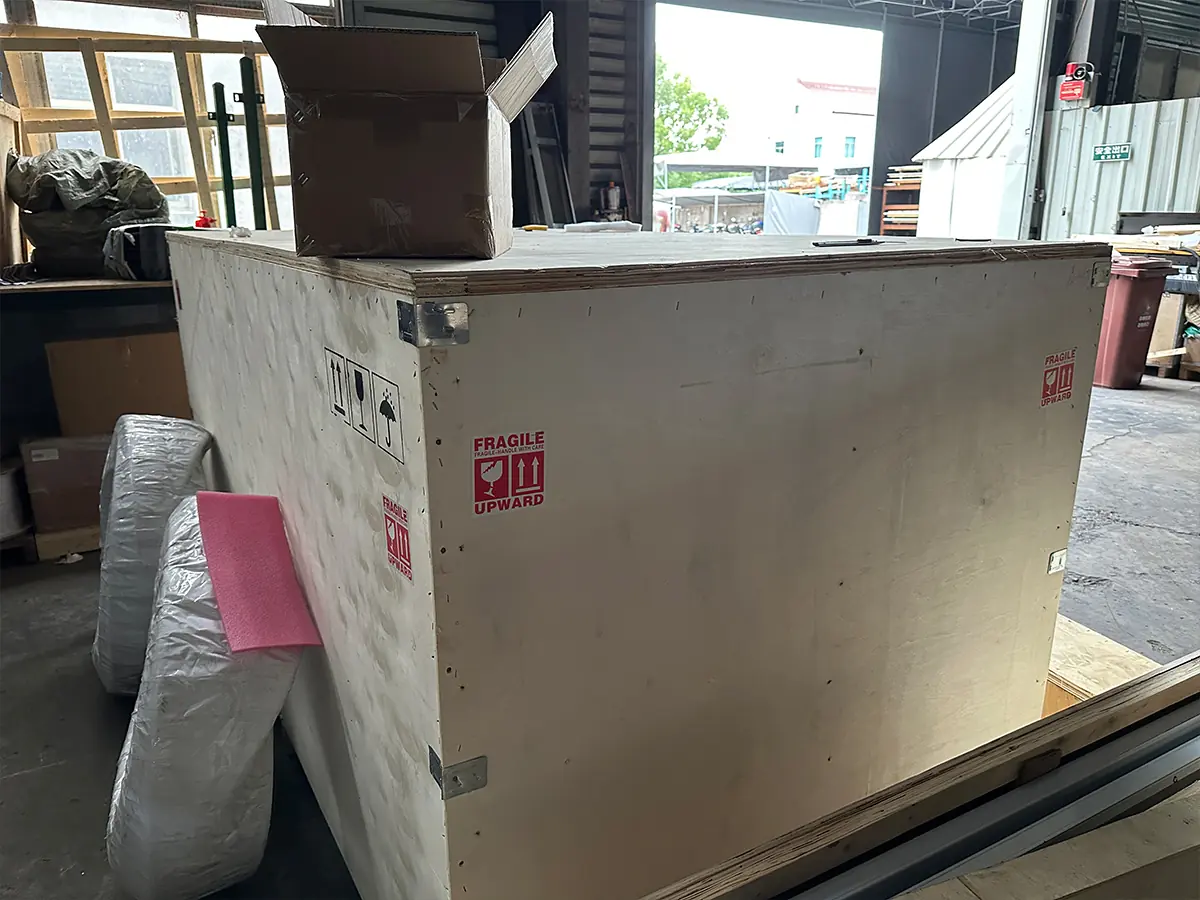
Doors take the most mechanical abuse and are a common failure point. A dumbwaiter modernization should renew the landing doors, seals, and interlocks so the shaft stays safe and weather-tight. New interlocks also bring the unit up to current safety expectations.
Our dumbwaiter door types article helps you choose configurations that last.
Any dumbwaiter modernization must land within current rules. In the US the ASME A17.1 safety code sets the baseline; in Europe the EU Lift Directive 2014/33/EU does. Upgrading the drive, controller, and doors usually resolves the items inspectors flag.
Run a full check against our code requirements list before you sign off, so the retrofit passes first time.
A staged retrofit of drive, controller, and doors can often be completed over a weekend, because the shaft is reused and only the components are swapped.
Usually yes, because it avoids new civil work and a new car. The saving is largest when the existing shaft is sound and permitted.
It can restore the original rated capacity by replacing a worn drive, though it rarely increases it beyond the car’s design.
A dumbwaiter modernization is the cost-effective path when the shaft is sound but the mechanics are tired. Replace the drive, controller, and doors, and confirm code before sign-off. For the full install picture, see the dumbwaiter installation guide 2026 from our partner and our own maintenance guide.