Address
No.3185 Xizha Rd,Dachuangang, Zhenze,Wujiang,Suzhou,China
Work Hours
24/7 Global Support
Address
No.3185 Xizha Rd,Dachuangang, Zhenze,Wujiang,Suzhou,China
Work Hours
24/7 Global Support
Library dumbwaiter guide for libraries, archives and museums: capacity, quiet drive, security, installation and cost. Move books, records and specimens safely between floors.
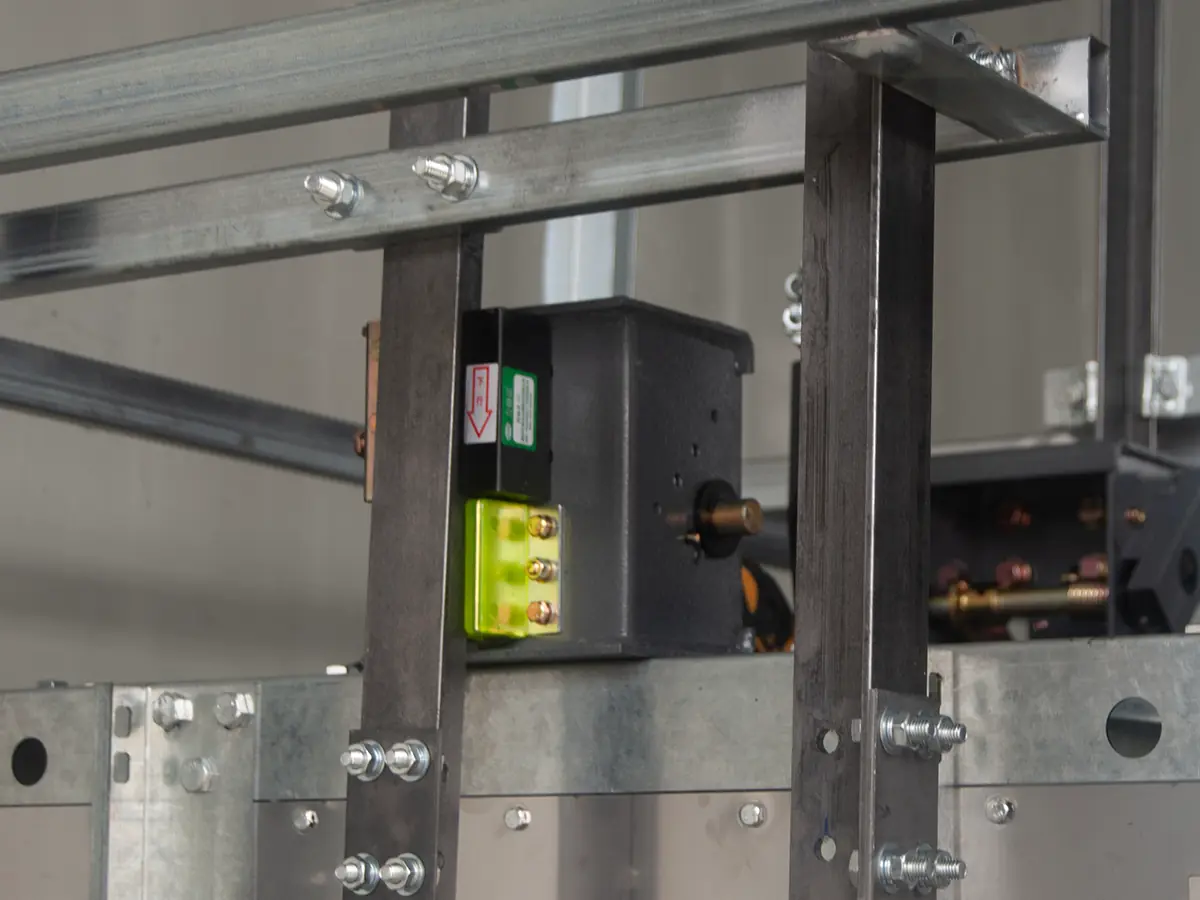
A library dumbwaiter is a small, non-ridable service lift that moves books, archival boxes, specimens and museum handling trays quietly between stack levels, reading rooms and conservation labs. In libraries, record offices and museums it replaces stair-carrying of heavy loads, protects fragile collections, and keeps staff off ladders with armfuls of material.
This guide covers what a library dumbwaiter is, where it pays off, the seven reasons institutions install one, and the capacity, speed, security, installation and cost factors worth specifying.
A library dumbwaiter is a vertically travelling service lift with a steel or stainless car sized for document crates, book bins and handling trays rather than people. It serves two or more landings and uses interlocking doors so a door opens only when the car is docked. Many archive versions add a lockable car or access-coded landings to protect controlled material.
For background on drive types, see our electric dumbwaiter guide.
Cartons of files or stacks of journals are deceptively heavy. A library dumbwaiter moves them in seconds, cutting strain injuries among shelving and registry staff.
A smooth, level car with guarded shelves reduces jolts compared with hand-carrying, helping preserve brittle documents and specimens.
Delivering materials to mezzanine stack levels via lift removes the need to climb with loads, a common cause of falls in storage areas.
Traction drives run quietly, so a retrieval run will not disturb readers or researchers nearby.
Lockable cars and coded landings let you move restricted archives without them travelling through public spaces.
Patrons wait less when a requested box travels from basement to desk in moments rather than by hand cart.
Like other dumbwaiter applications, the lift handles logistics so librarians focus on readers.
| Use | Capacity | Car size |
|---|---|---|
| File cartons, small book bins | 50–100 kg | 600×600 mm |
| Archive boxes, specimen trays | 100–150 kg | 700×700 mm |
| Bulk deposit collections | 150–250 kg | 800×900 mm |
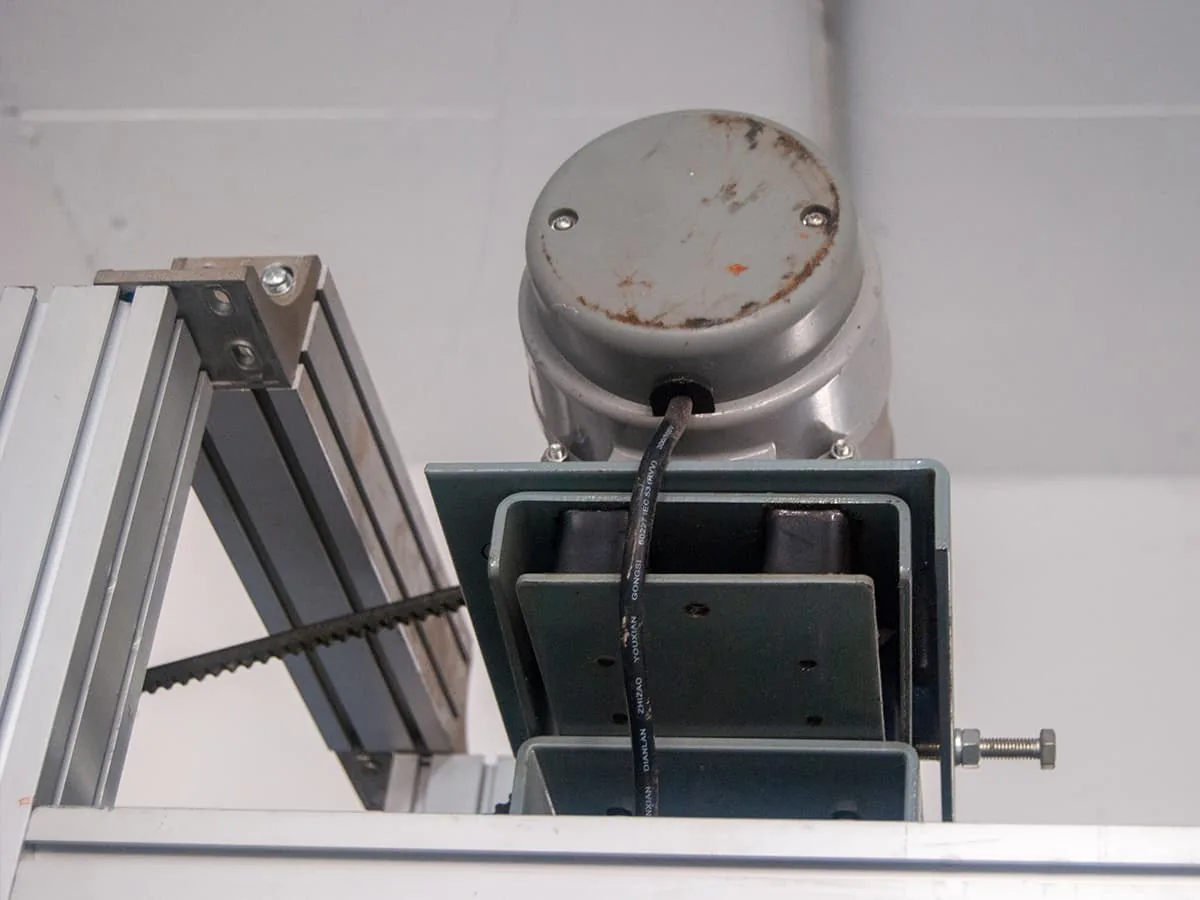
Most library dumbwaiter units run 0.3–0.6 m/s with soft start/stop. Quietness matters more than speed in a reading environment; specify a low-noise drive and a gentle arrival chime.
For controlled archives, choose a lockable car, landing call restriction, and a simple audit log if needed. If materials need stable conditions, keep the car as a sealed transfer chamber rather than a climate space — the building handles environmental control.
A purpose-built shaft is best; retrofits often use a service riser or a self-supporting frame beside stairs. Allow roughly 1,000–1,200 mm clear shaft width for an 800 mm car. Plan early with our shaft size guide and installation checklist.

Installed cost depends on capacity, stops and structure. A 100 kg two-stop unit is typically a low-to-mid four-figure investment ex-works, plus shaft build and local commissioning. See our 2026 cost guide for details.
| Scope | Cost driver |
|---|---|
| Car + drive | Capacity, security features |
| Shaft / frame | New vs retrofit |
| Commissioning | Local labour, access |
A freight elevator carries pallets and people-assisted loads; a library dumbwaiter is the right size for document crates and trays and costs far less to install in an existing building. For help choosing, ServLifts’ how-to-choose-a-food-elevator guide is a useful companion.
Require interlocking doors, overload protection, emergency stop and a manual lowering handle. Designs should reference recognised practice such as ASME A17.1 and, in Europe, the OTIS and KONE industry safety heritage. Our safety features guide lists the essentials.
Can patrons ride it? No — it is a goods-only service lift.
Is it quiet enough near reading rooms? Yes, with a traction drive and low-volume chime.
Can it carry restricted archives securely? Use a lockable car and coded landings.
What capacity for file cartons? 100 kg covers most record offices; 150 kg for bulk deposits.
How is it built and tested? See our workshop-to-load-test walkthrough.
A library dumbwaiter is a compact, cost-effective way for libraries, archives and museums to move collections safely, quietly and securely between floors. Start with capacity and shaft space, add the security features your material demands, and plan installation early. Pair this with our buying guide when you are ready to specify.