Address
No.3185 Xizha Rd,Dachuangang, Zhenze,Wujiang,Suzhou,China
Work Hours
24/7 Global Support
Address
No.3185 Xizha Rd,Dachuangang, Zhenze,Wujiang,Suzhou,China
Work Hours
24/7 Global Support
Practical bar dumbwaiter guide for pubs and bars: capacity, speed, doors, installation and cost. Move glassware and supplies safely between floors.
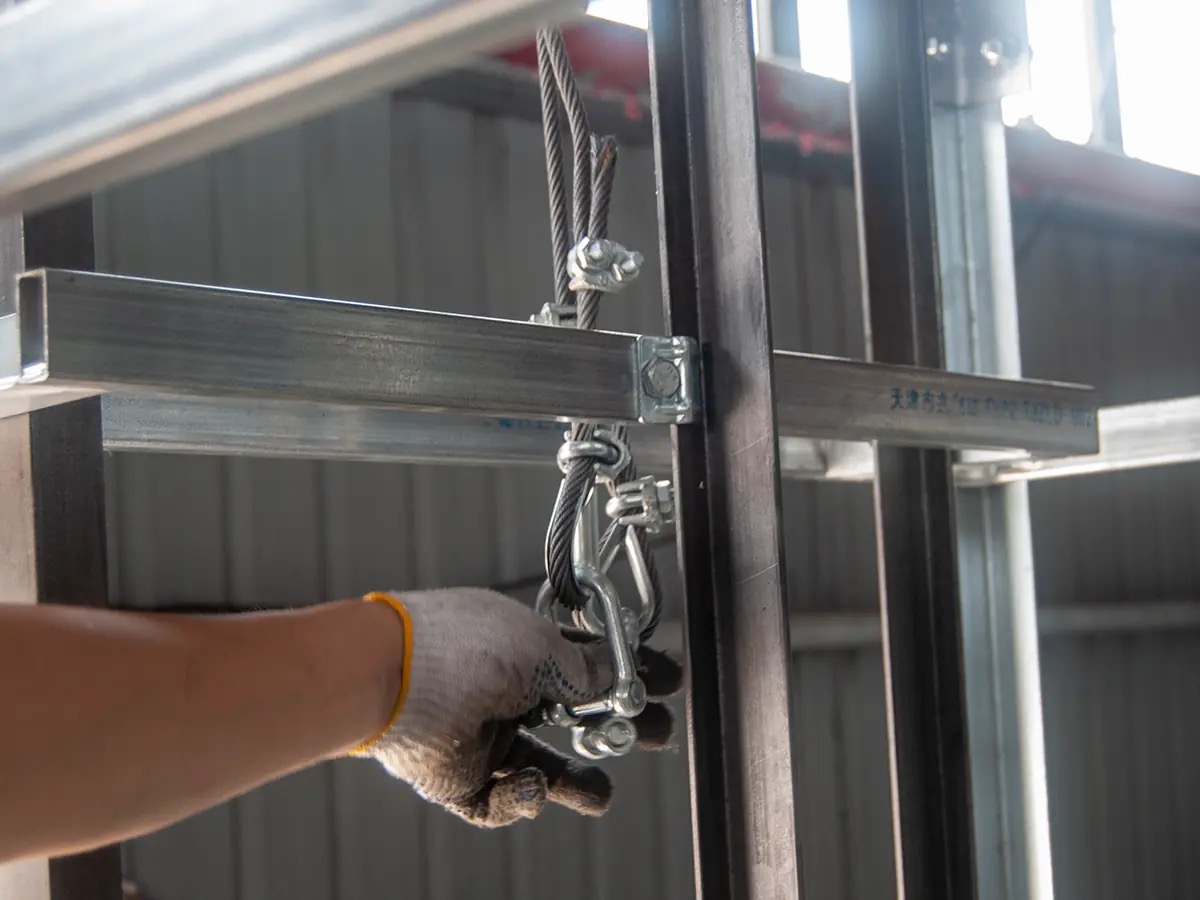
A bar dumbwaiter is a compact goods lift that carries bottles, glassware, ice, garnishes and dirty trays between the floors of a pub, bar or nightclub. It is too small for passengers and too useful for staff to ignore. In a two- or three-storey venue, it turns every stock run into a ten-second trip instead of a hike up a staircase while balancing a loaded tray.
Most pub dumbwaiter units are 50 kg to 200 kg capacity and fit inside a shaft only slightly larger than a refrigerator. The car is called from landing buttons, and modern controls are simple enough that a new bartender can use the lift on day one. If you want to understand how these machines are put together, our commercial dumbwaiter build guide explains the frame, guides and drive.
Bars move small loads constantly. Ice buckets, fresh glassware, beer line cleaning kits, cocktail ingredients and rubbish bags all travel between basement storage, the main bar and an upstairs lounge. Stairs are slow, noisy and dangerous when staff carry glassware through a crowd. A bar dumbwaiter creates a dedicated vertical service route that keeps people on the floor and glassware off the stairs.
Space is another advantage. A dumbwaiter shaft needs roughly 600 mm by 600 mm, so it can slot into a service column, behind a back bar or inside a cupboard. You do not give up a table or a stool to add one.
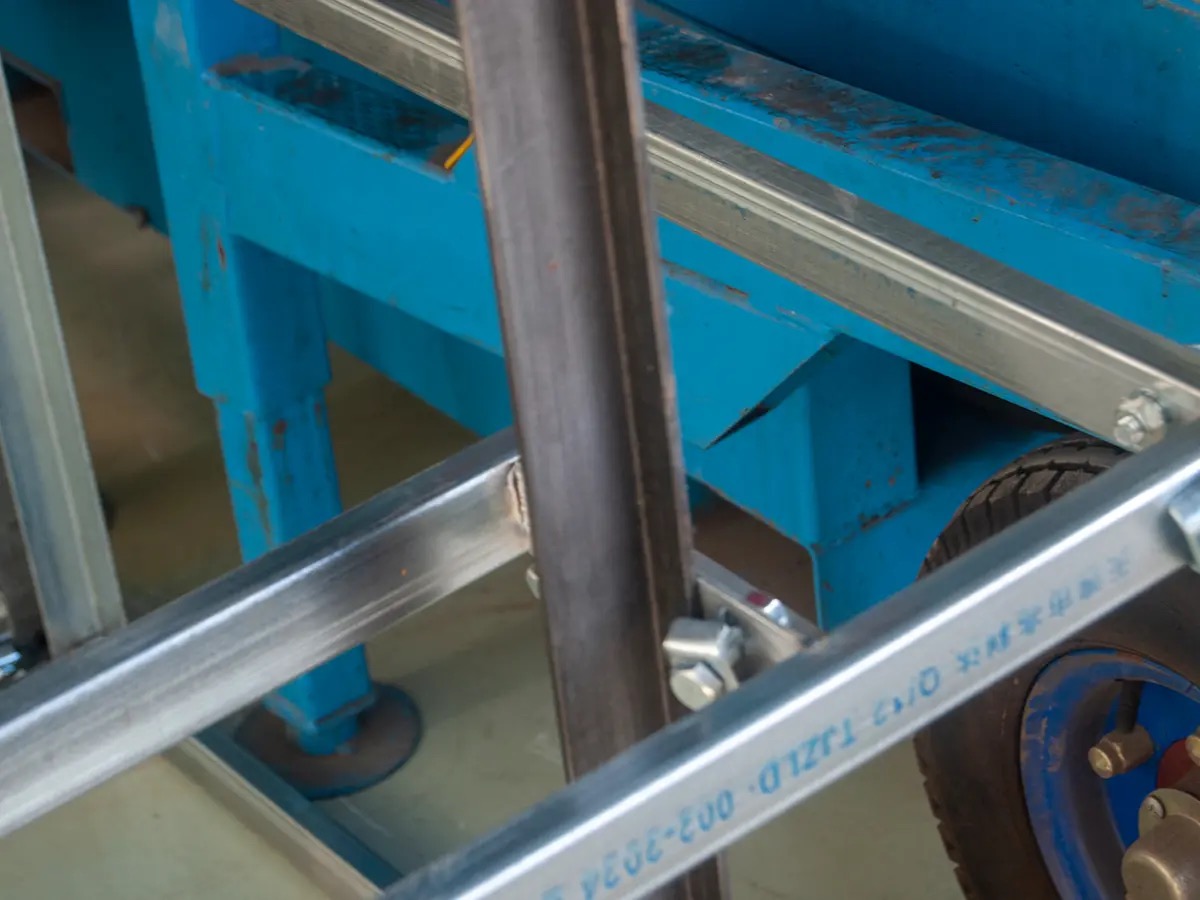
Choose capacity by the heaviest regular load. A typical tray of clean glassware is light, but a crate of bottled beer or a keg collar can be heavy. If your bar stores kegs upstairs, remember that kegs themselves are far beyond dumbwaiter limits and still need a separate route.
| Capacity | Car size | Best for |
|---|---|---|
| 50 kg | 500 × 500 mm | Small pub: glassware, garnishes, small stock boxes |
| 100 kg | 600 × 600 mm | City bar: trays, bottles, ice buckets |
| 200 kg | 800 × 800 mm | Large venue / nightclub: multi-tray loads, heavier supplies |
Shaft planning is as important as car size. Our dumbwaiter shaft size guide gives the exact pit, headroom and landing opening dimensions for each capacity.
Bar lifts move slowly by design, usually 0.2–0.4 m/s, which is fast enough for short flights and safe enough around staff. The door and finish choices matter more than raw speed.
| Door type | Pros | Best use in a bar |
|---|---|---|
| Collapsible gate | Low cost, good visibility | Back-of-house service shaft |
| Swing door | Seals well, quiet close | Basement to bar landing |
| Automatic telescopic | Hands-free, premium feel | Visible behind a designer bar |
Stainless steel finishes are standard because they resist fingerprints, moisture and cleaning chemicals. For the control side, our dumbwaiter control panel guide covers the call stations and indicators that bartenders press every night.
Electric traction is the quietest and most common choice for bars. A counterweighted traction drive keeps energy use low and movement smooth, which is important when the shaft runs near seating. Hydraulic drives are less common in new bars because they need oil and more maintenance, but they suit very short travels and tight budgets. Our electric dumbwaiter guide compares traction, hydraulic and screw drives in full.
Installation starts with choosing the shaft location. The ideal route runs from the cellar or storage room straight up to the back bar, with the car opening at counter height on each landing. A steel frame shaft can be built inside existing joinery, while a masonry shaft may need a builder to form the openings.
Power is a single dedicated circuit, and most bar electrical panels can handle it. Plan the call buttons where staff naturally stand, not hidden behind a door. For a complete checklist, see our dumbwaiter installation checklist; the same principles apply to bars.
Supply cost depends on capacity, stops and doors. The table below is a rough guide before local installation, shaft build-out and permits.
| Configuration | Typical supply cost (USD) |
|---|---|
| 50 kg, 2 stops | $2,500 – $4,000 |
| 100 kg, 2–3 stops | $3,500 – $6,000 |
| 200 kg, 3 stops | $5,500 – $9,000 |
For a more detailed cost picture, ServLifts has a practical dumbwaiter installation cost breakdown that separates unit price, freight, labor and extras. Our own commercial dumbwaiter cost guide covers the line items from a supplier’s perspective.
A bar dumbwaiter is a machine, so safety is non-negotiable. Interlocked doors, an overload sensor, an emergency stop and a mechanical brake are standard. In the United States the reference standard is ASME A17.1; in Europe the equipment must satisfy the EU Machinery Directive. Industry leaders such as OTIS publish safety guidance that also applies to small service lifts. Our dumbwaiter safety features guide lists the protections to look for when buying.
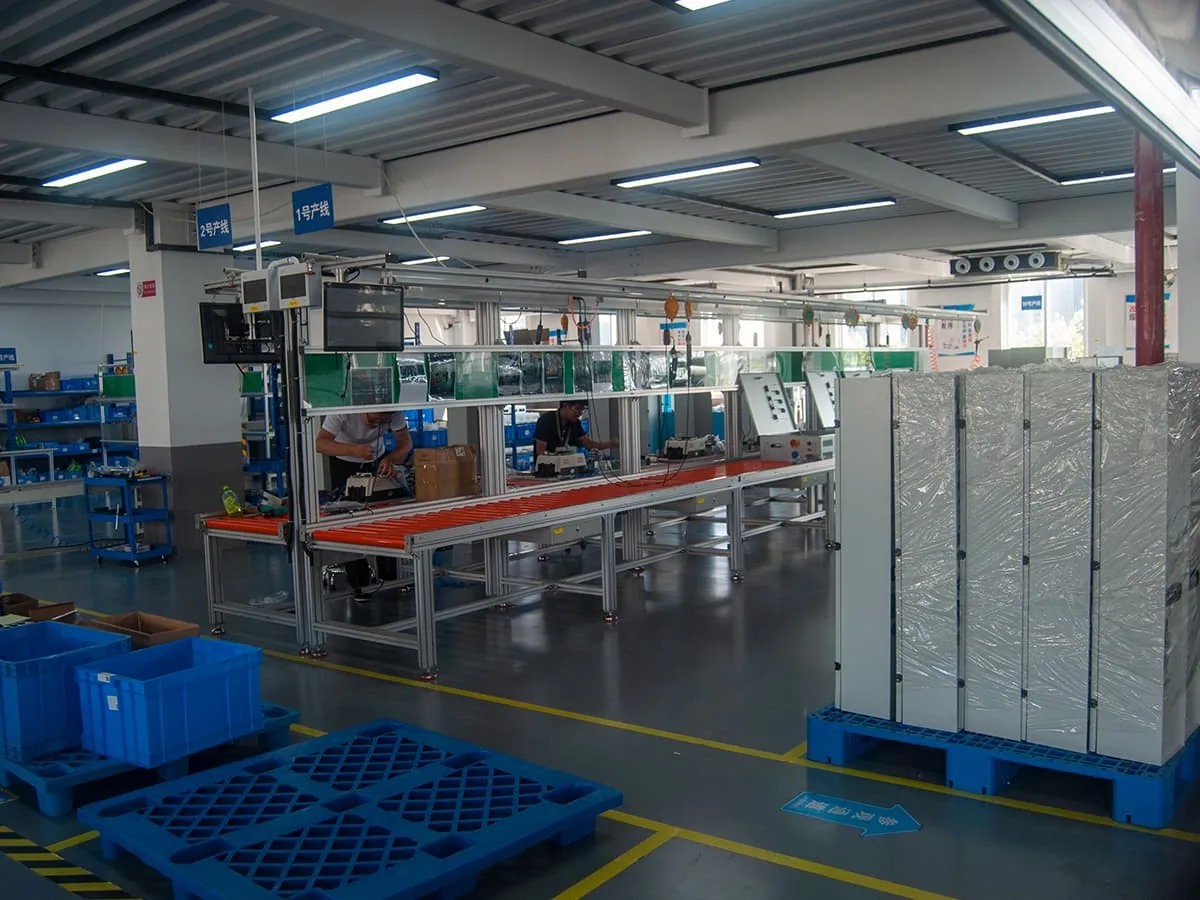
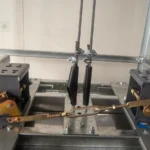
Reliability matters in a bar because breakdowns happen when the venue is busiest. Every unit starts in the workshop: electrical cabinets are wired on a production line, components are tested, and the control system is checked before shipment. That factory discipline is what keeps a pub dumbwaiter running through late nights and weekend rushes.
Operation is deliberately simple. Load the car, close the door, press the destination button and the lift goes. Call buttons and floor indicators at each landing let anyone send or recall the car without leaving their station.
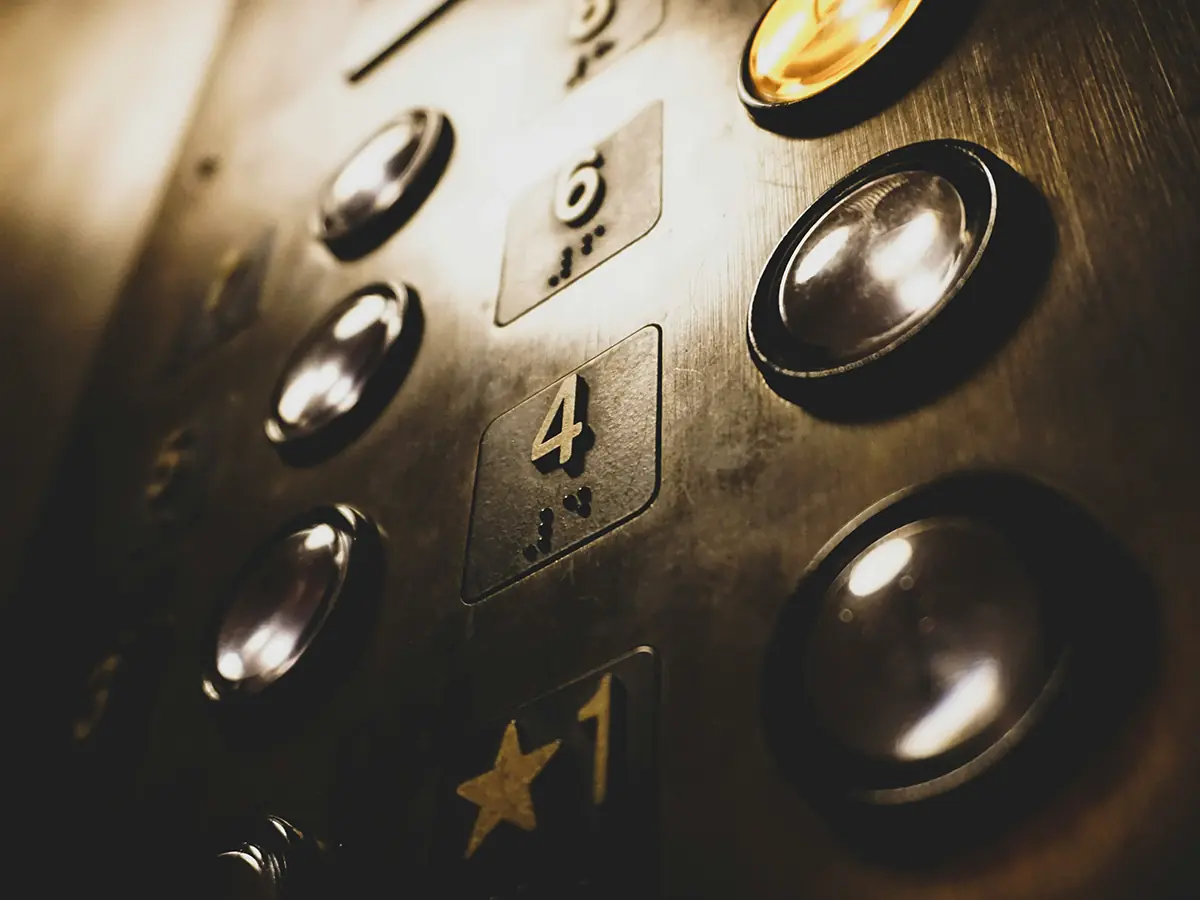
Because the controls are just up, down and floor select, training takes minutes. A daily check of the door latch and a quick wipe of the car keeps the lift ready for service. Our dumbwaiter operation guide has the full routine.
A service lift generally refers to a larger, heavier goods elevator used in hotels and hospitals. A bar dumbwaiter is smaller, cheaper and designed for the loads a bar actually moves. If your venue only needs bottles, glassware and small crates, the dumbwaiter is the right tool; if you need to move furniture or kegs, a larger service lift may be required. Our dumbwaiter vs service elevator article explains the boundary in detail.
Our commercial dumbwaiter buying guide turns this list into a specification you can send to suppliers, and the dumbwaiter types article shows the model families available.
Can a bar dumbwaiter carry kegs?
No. Kegs are too heavy. Kegs still need a separate route; the dumbwaiter handles glassware, bottles and small supplies.
How loud is it during service?
A good electric traction unit is quiet enough to run behind the bar without disrupting conversation.
Do I need a passenger elevator if I have a dumbwaiter?
Only if you must move people or very large equipment between floors. For goods only, the dumbwaiter is sufficient.
Will it pass inspection?
Yes, if specified to the relevant local code and installed by a qualified technician.
How long does installation take?
Shaft build-out plus unit fitting typically takes a few days, plus any building preparation.
A bar dumbwaiter is a practical upgrade that pays for itself in speed, safety and labor savings. Size it to your real loads, pick the right door and finish, and confirm code early. Explore our home dumbwaiter guide if the venue includes living quarters, and use the buying guide above to turn this into a purchase-ready specification.


[…] our cafe dumbwaiter guide and bar dumbwaiter guide for how other food businesses sized and justified the […]
[…] our cafe dumbwaiter guide and bar dumbwaiter guide for how other food businesses sized and justified the […]