Address
No.3185 Xizha Rd,Dachuangang, Zhenze,Wujiang,Suzhou,China
Work Hours
24/7 Global Support
Address
No.3185 Xizha Rd,Dachuangang, Zhenze,Wujiang,Suzhou,China
Work Hours
24/7 Global Support
Dumbwaiter manufacturer audit is the homework that protects a large order. The market is full of trading companies relabeling someone else’s lift, so verifying the factory behind your quote is worth a day of effort. These six checks tell you whether you are dealing with a real builder.
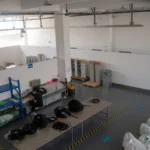
Ask for a video walk-through of the welding, assembly, and test areas, or visit in person. A real manufacturer shows you rails being cut and cars being load-tested; a trader shows you a catalogue.
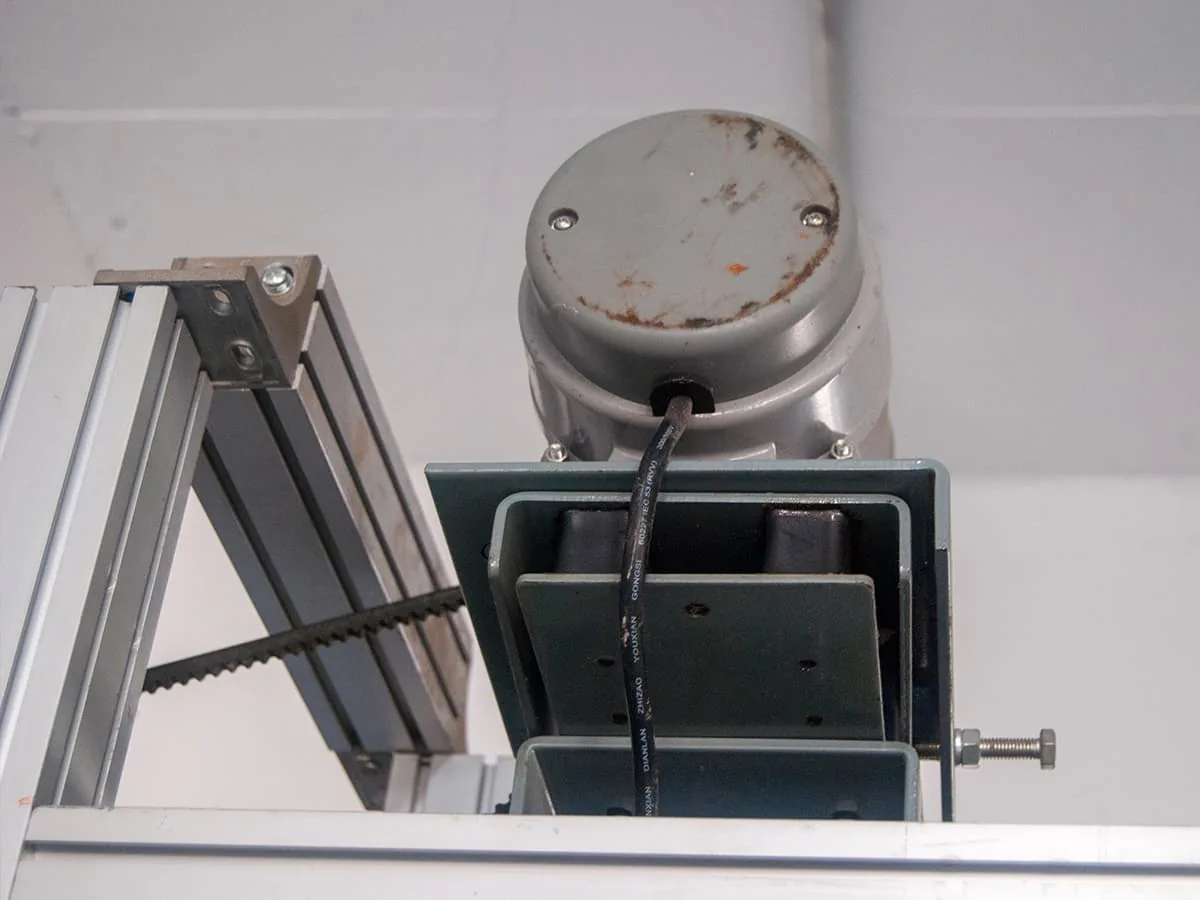
Look at weld consistency, edge finishing, and frame squareness. These details predict how the lift will age and how quietly it will run.
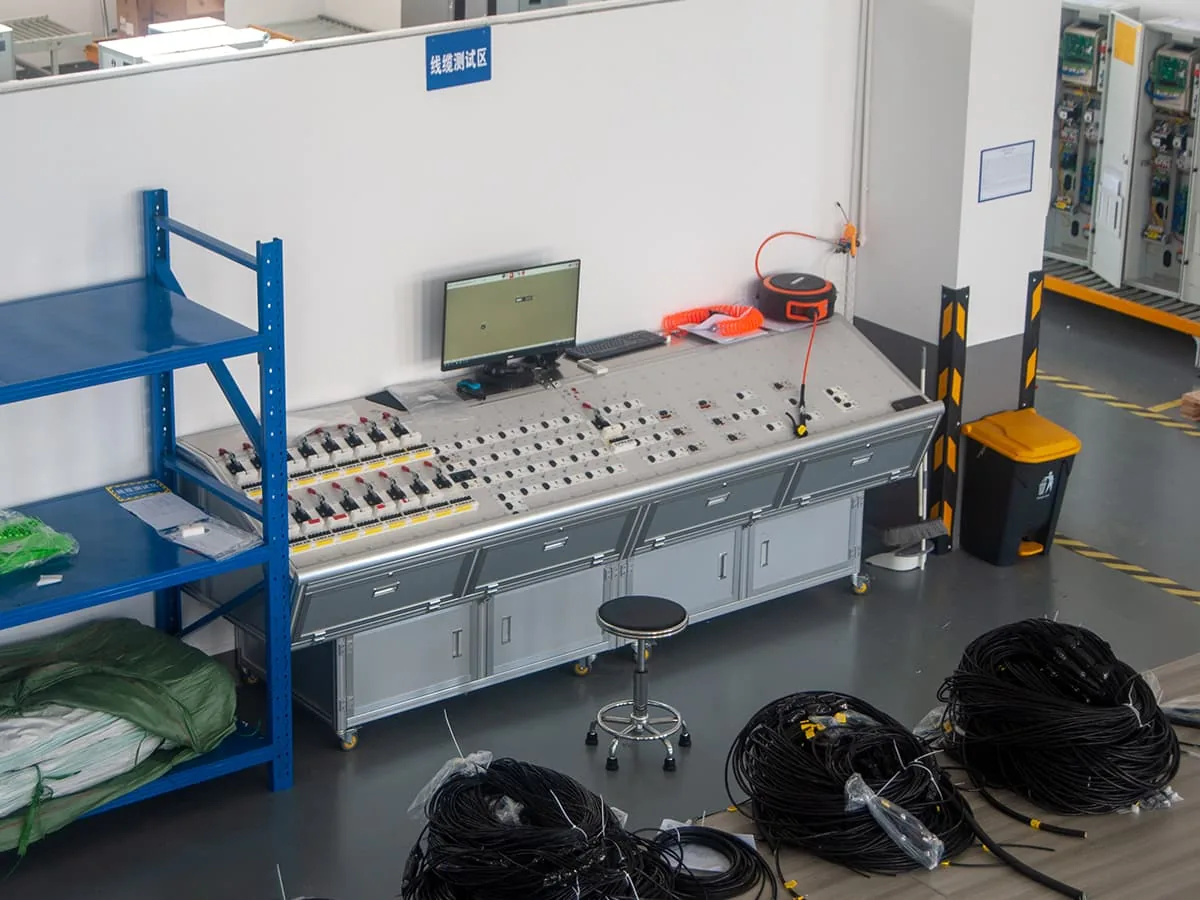
A credible builder has a test bench and can demonstrate a rated-load run with safeties engaged. If they outsource testing, your certification is weaker.
Ask for CE or relevant local marks, and trace them to the actual model. Certificates for a different product are a red flag.
Real factories name clients who reordered. A string of one-off sales suggests a reseller, not a partner.
Confirm they can supply drawings, modify a model, and support you after delivery. Engineering depth is what separates a builder from a box-shifter.
A few signals end the conversation quickly: refusal to show the workshop, certificates that do not match the model, and a price so far below the market that material or testing must have been cut.
Also be wary of anyone who cannot name a repeat buyer or who shifts every technical question to a vague ‘our engineer will answer later’. A real manufacturer answers on the spot because the engineer is in the next room. Trust the building, not the brochure.
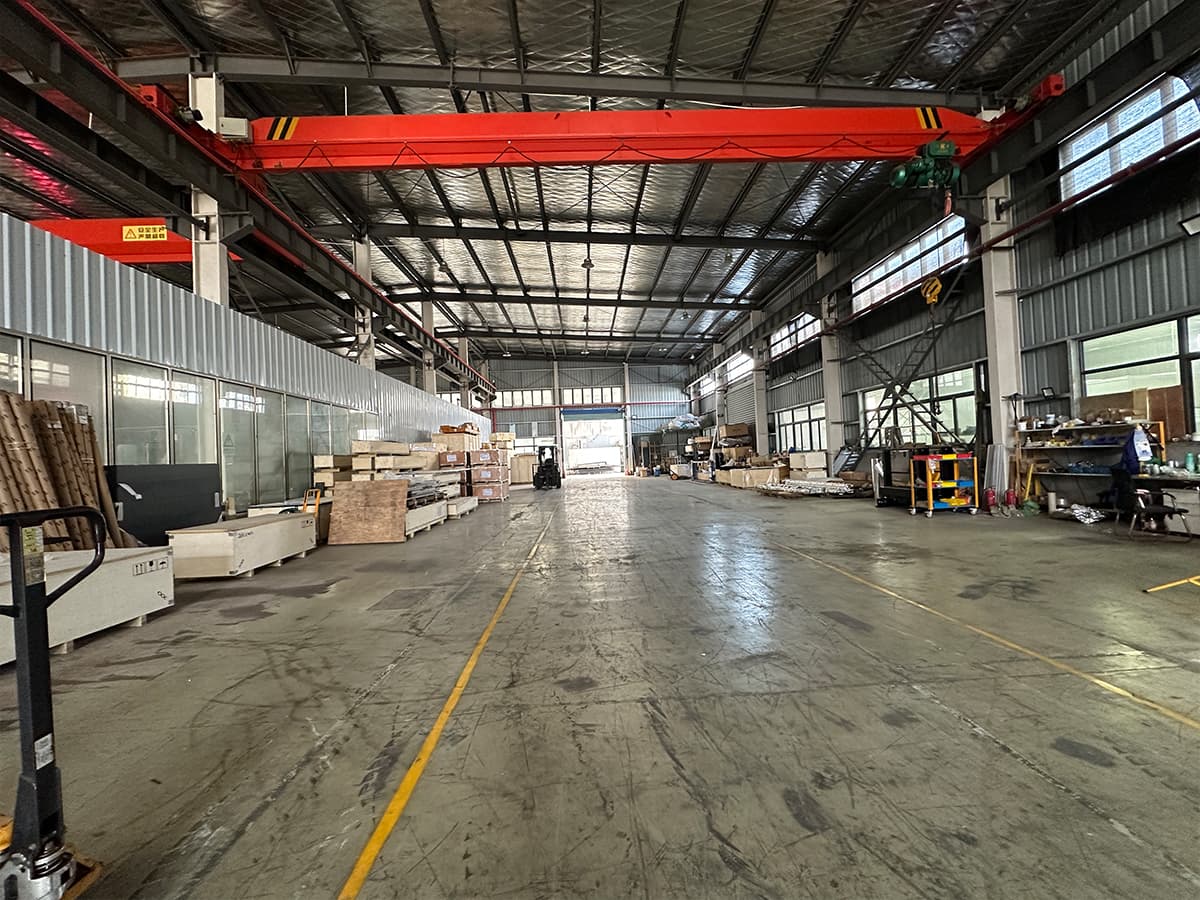
The audit is not only a gate; it is leverage. A factory that shows real in-house testing and named repeat buyers will hold price better, while a trader’s thin answers often come with a negotiable margin once you press.
Take what you learn into the commercial talk: ask the builder to itemise testing and support so the quote reflects capability, not just a low number. A supplier confident in their plant welcomes that scrutiny, and you end up with both a better lift and a fairer deal.
Not always, but a live video audit is the minimum for a first large order.
Treat that as a no-go; legitimate manufacturers are proud to show their line.
Not always, but a price far below the market usually hides omitted testing or thinner material.
A proper dumbwaiter manufacturer audit turns a risky purchase into a managed one. Verify the build, the testing, and the certificates before you commit, and the rest of the project runs smoother. Our buy-from-a-China-factory guide adds the commercial side of the same decision.
For related guidance, review our buy from a China factory, and compare drive options on the ServLifts resource. Standards such as ASME A17.1 and the EU Lift Directive 2014/33/EU define the safety baseline we build to.