Address
No.3185 Xizha Rd,Dachuangang, Zhenze,Wujiang,Suzhou,China
Work Hours
24/7 Global Support
Address
No.3185 Xizha Rd,Dachuangang, Zhenze,Wujiang,Suzhou,China
Work Hours
24/7 Global Support
Practical cafe dumbwaiter guide for coffee shops: capacity, size, speed, cost and install tips. See how a cafe food lift saves labor and pays off.
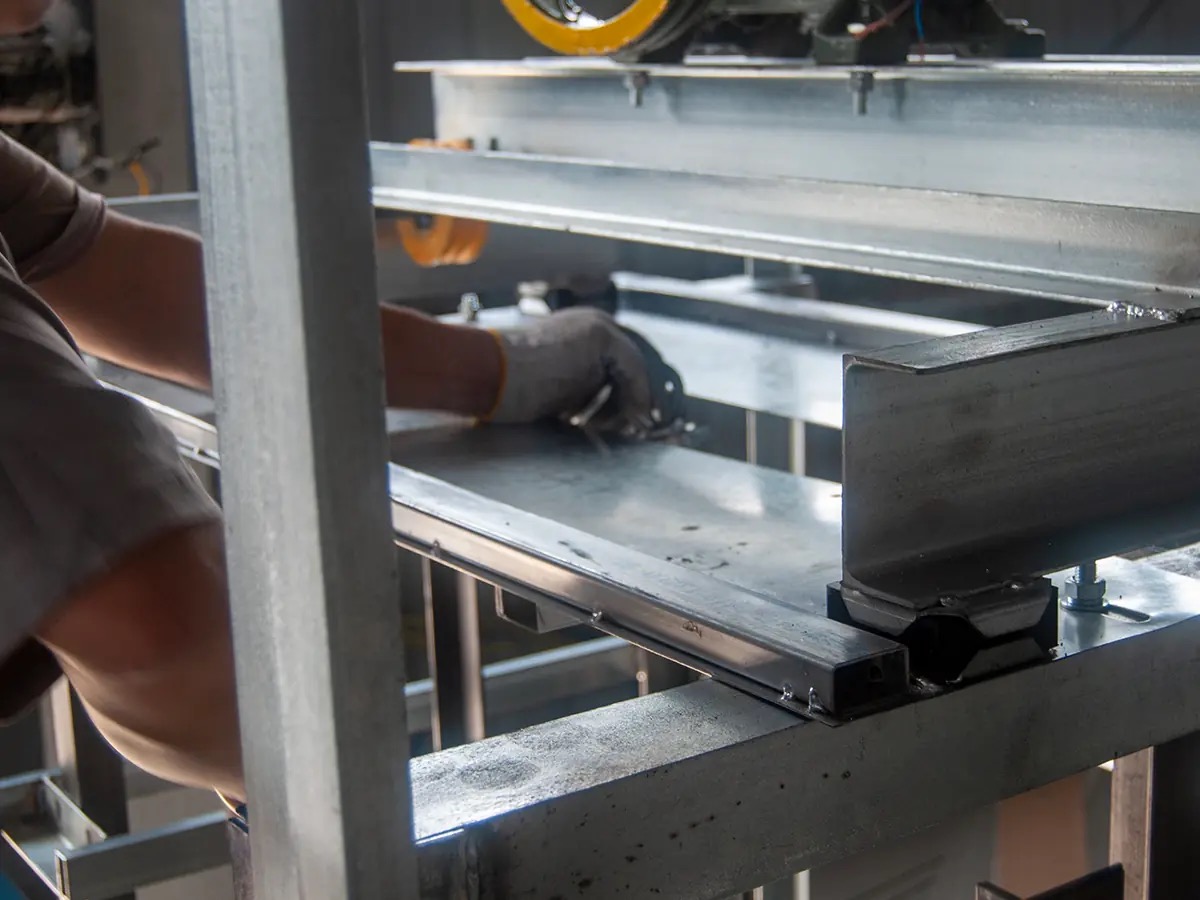
A cafe dumbwaiter is a small, enclosed lift that carries cups, plates, ingredients and small supplies between two or more levels of a coffee shop. Think of it as a tiny freight elevator built for the back of house: a stainless steel car rides inside a narrow shaft, driven by an electric motor, and is called with a button on each landing. For a cafe squeezed into a tight street-level room with storage, a roastery or a prep kitchen one floor up, a cafe food lift removes the constant stair-running that eats up a barista’s day.
Unlike a passenger elevator, a coffee shop dumbwaiter is never ridden by people. It is a goods-only device, which keeps it compact, cheaper and far simpler to permit. Most cafe units are 50 kg to 200 kg capacity, sized for trays, milk crates and bags of beans rather than customers. If you want the full picture of how these little lifts are built, our commercial dumbwaiter build guide walks through the car, guides and drive.
Cafes are unusual buildings. They combine a customer-facing bar, a hidden prep area, refrigeration, dry storage and often a basement or upper floor for roasting and offices. That vertical split is exactly where a cafe dumbwaiter pays off. You are moving small, frequent, repetitive loads all day: restocked cups, pastries from the cold store, bags of coffee, empty trays coming back. A lift turns a five-minute stair trip into a ten-second button press.
Small footprint is the other reason. A typical cafe dumbwaiter needs only about 600 mm by 600 mm of shaft, so it tucks into a corner, behind a service counter or inside existing joinery. You do not lose seating or prep space to install one.
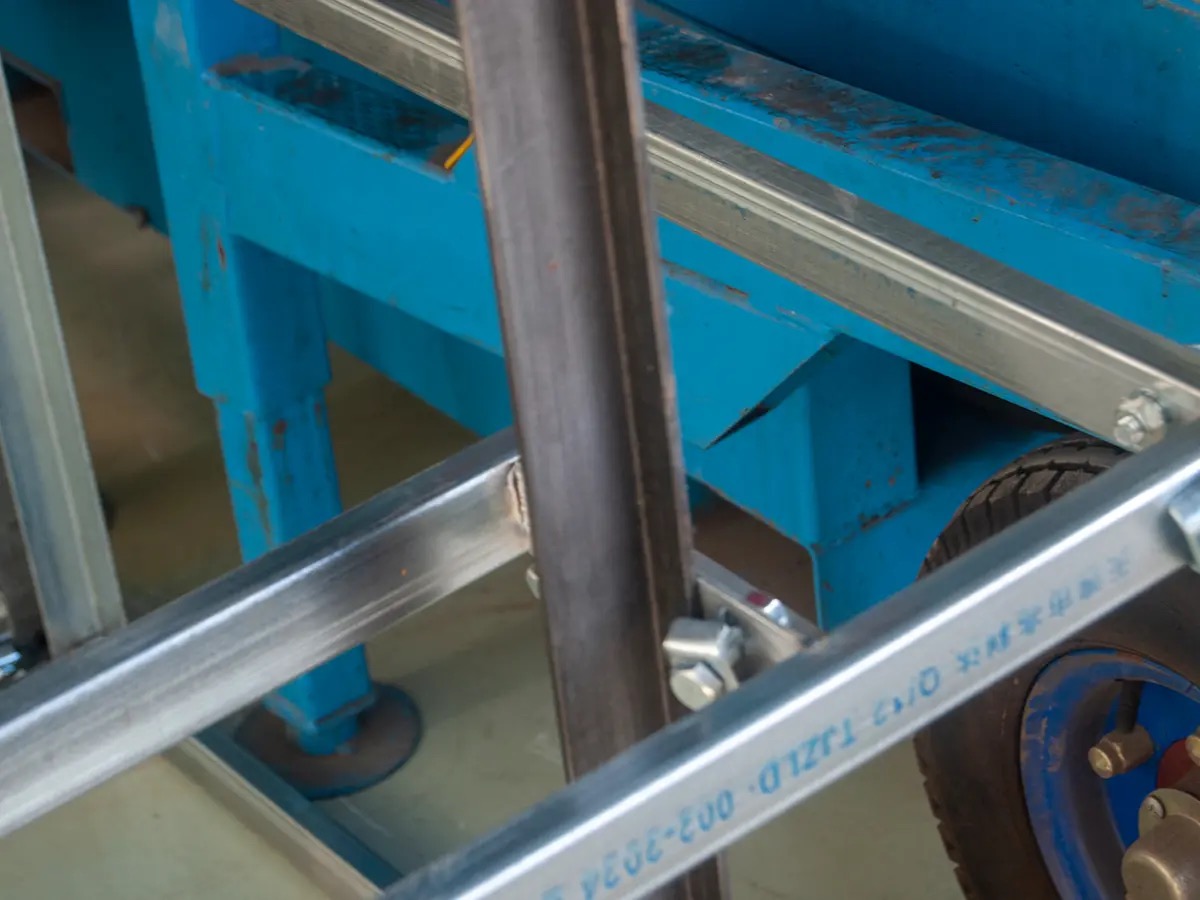
Pick capacity from what you actually move. Most cafes never need more than 100 kg, but a basement-roastery setup that shifts green beans may want 200 kg. Car size usually ranges from 500 × 500 mm to 800 × 800 mm.
| Capacity | Typical car size | Best for |
|---|---|---|
| 50 kg | 500 × 500 mm | Small cafes moving cups, pastries, POS supplies |
| 100 kg | 600 × 600 mm | Busy coffee shops with trays and milk crates |
| 200 kg | 800 × 800 mm | Cafe + roastery or basement storage of bean sacks |
See our dumbwaiter shaft size guide for the exact pit, headroom and opening dimensions behind these numbers.
Cafe lifts run slowly and safely, typically 0.2–0.4 m/s, which is plenty for short travels. The door type matters more than speed for daily use.
| Door type | Pros | Watch-outs |
|---|---|---|
| Collapsible gate | Classic, vents the car, lowest cost | Requires a solid outer door for code |
| Swing door (manual) | Simple, seals well, quiet | Needs swing clearance at each landing |
| Automatic telescopic | Push-button convenience, best hygiene | Higher cost, more parts |
For most cafes a swing or automatic door on the service side keeps the front of house tidy. The control panel and electrical cabinet guide explains the call stations that sit beside these doors.
Modern cafe dumbwaiters are almost always electric. A traction drive with a counterweight is quiet and efficient for taller travels, while a hydraulic or screw drive suits short, low-rise runs and a lighter budget. Our electric dumbwaiter guide compares the three in detail. For a two- or three-stop cafe, any of them will feel smooth; the deciding factors are travel height, budget and how much you value silence during service.
Installation is less disruptive than people expect. The shaft can be a freestanding steel frame built into a cupboard, or a lined opening cut through an existing floor. Power is a single dedicated circuit, and most cafes already have spare capacity near the kitchen. Plan the openings so the car lines up with your prep counter on one floor and storage on the other. Full step-by-step help is in our dumbwaiter installation checklist, which applies directly to cafes.
Budget roughly by stops and capacity. These are typical supply ranges before local labor and any building work:
| Configuration | Typical supply cost (USD) |
|---|---|
| 50 kg, 2 stops | $2,500 – $4,000 |
| 100 kg, 2–3 stops | $3,500 – $6,000 |
| 200 kg, 3 stops | $5,500 – $9,000 |
Shaft build-out, electrical and permits add on top and vary by city. Our commercial dumbwaiter cost breakdown lists every line item so there are no surprises. Many cafes recover the spend within a year through saved labor minutes.
A cafe dumbwaiter is a machine, so it must be safe by design. Look for interlocking doors that refuse to move unless every landing is closed, an overload cut-out, and a mechanical brake. In the United States, the relevant reference is the ASME A17.1 elevator code; in Europe, equipment must meet the EU Machinery Directive and applicable lift regulations. Major manufacturers such as OTIS publish safety principles worth reading before you specify. Our dumbwaiter safety features guide covers the must-have protections. Lock the car when cleaning and train staff on the emergency stop.
Operation is deliberately simple. Load the car, close the door, press the floor button, and the cafe dumbwaiter delivers the tray. Call buttons and indicators sit at each landing so anyone can send or recall the car without training.
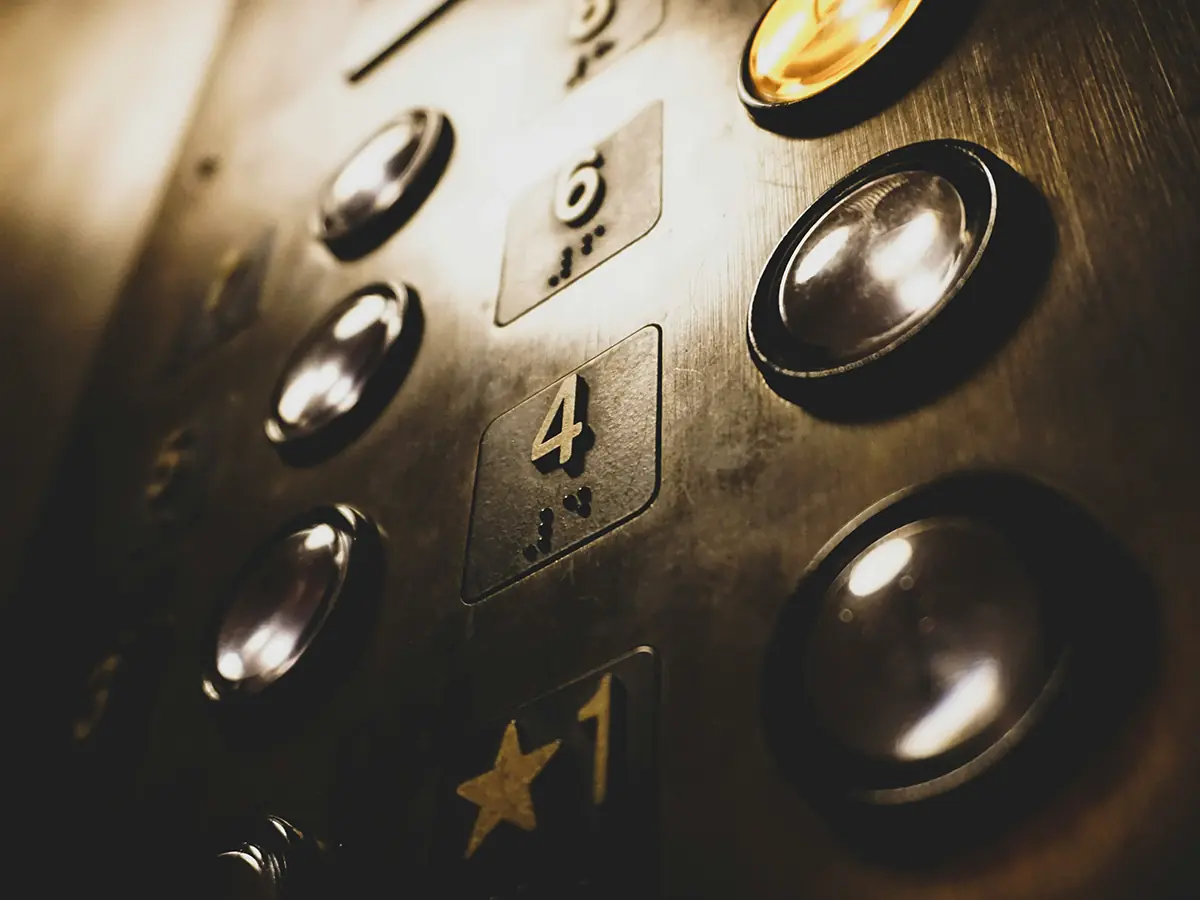
Because the interface is just up, down and a floor number, new staff are competent in minutes. Keep a short daily checklist: clear the car, confirm doors latch, and report any unusual noise. Our dumbwaiter operation guide has the full routine.
Owners sometimes wonder whether they need a full passenger elevator. For moving goods only, a coffee shop dumbwaiter is the right tool: a fraction of the cost, a fraction of the space, and no passenger-certification overhead. A passenger elevator only makes sense if you must move people or very large equipment between floors. For the deeper comparison, ServLifts publishes a clear dumbwaiter vs passenger elevator breakdown worth a read before you decide.
Our commercial dumbwaiter buying guide turns this checklist into a specification sheet you can send to suppliers, and the types of dumbwaiter article shows the model families available.
Do I need a cafe dumbwaiter in a single-floor cafe?
No. A dumbwaiter only helps when you move things between two or more levels. Single-floor cafes gain nothing.
How noisy is it during service?
A well-built electric unit is quiet enough to sit behind a serviced counter without disturbing customers.
Can it carry coffee beans and crockery together?
Yes, but keep dirty and clean loads separate for hygiene; many cafes use one car with a divided tray.
Will it pass inspection?
If specified to ASME A17.1 or the EU Machinery Directive and installed by a qualified technician, yes.
How long does installation take?
Shaft and unit fitting typically runs a few days on site, plus any building prep beforehand.
A cafe dumbwaiter is one of the highest-return upgrades a multi-level coffee shop can make: lower labor, fewer injuries, faster service and a tidier front of house, all from a device that fits in a cupboard. Size it to your real loads, specify the right doors and drive, and confirm code early. Explore our home dumbwaiter guide if you also need a lift for a connected residence, and use the buying guide above to turn this into a purchase-ready spec.