Address
No.3185 Xizha Rd,Dachuangang, Zhenze,Wujiang,Suzhou,China
Work Hours
24/7 Global Support
Address
No.3185 Xizha Rd,Dachuangang, Zhenze,Wujiang,Suzhou,China
Work Hours
24/7 Global Support
School canteen dumbwaiter guide for schools and universities: capacity, hygiene, speed, installation and cost. Move trays, tubs and returns safely between floors.
A school canteen dumbwaiter is a small, enclosed service lift that moves meal trays, utensils, tray returns and cleaning crates between the kitchen and dining floors of a school, college or university campus. It keeps meal service fast at peak times, protects staff from heavy carrying, and supports cleaner food-handling routes.
This guide covers what a school canteen dumbwaiter is, the seven reasons campuses install one, and the capacity, hygiene, speed, installation and cost factors to specify.
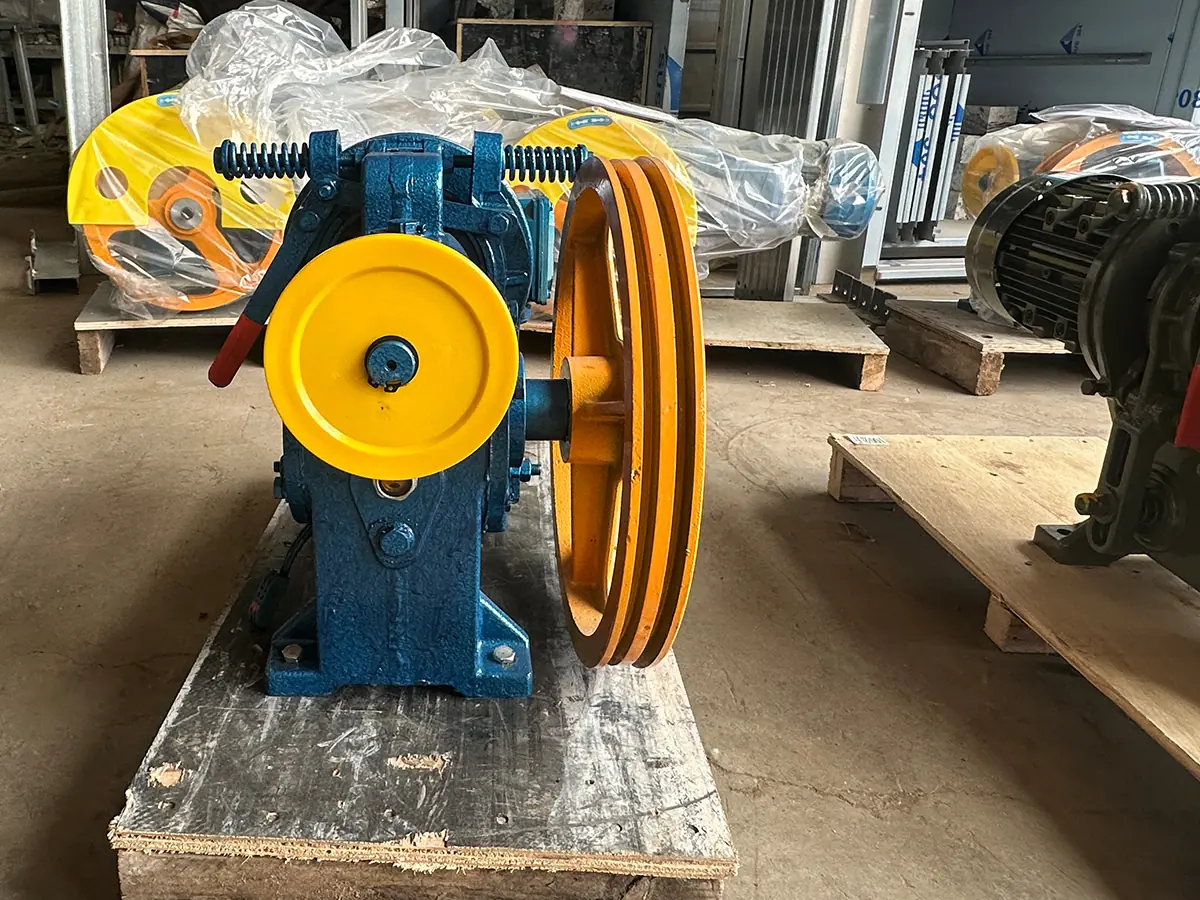
A school canteen dumbwaiter is a non-ridable vertical service lift with a stainless-steel car sized for trays, bus tubs and crate returns rather than people. Interlocking doors ensure a door opens only when the car is docked. For drive background, see our electric dumbwaiter guide.
At lunch rush, a school canteen dumbwaiter shuttles trays and cleanware in seconds so lines move and food stays hot.
Carrying loaded bus tubs up stairs causes strain injuries; the lift removes most of that load.
A sealed stainless car separates clean service from return and waste streams — see our safety features guide.
Used trays drop to the wash area quickly, freeing dining space between sittings.
A traction drive runs quietly, so a service run near classrooms will not disrupt lessons.
Call buttons and a send key mean kitchen and hall staff can both operate it after a short briefing.
Against repeated manual carrying, one lift pays back through saved labour and fewer injuries.
| Use | Capacity | Car size |
|---|---|---|
| Tray sets, bus tubs | 80–120 kg | 700×700 mm |
| Crate returns, bulk cleanware | 150 kg | 800×800 mm |
| High-volume service | 150–250 kg | 800×900 mm |
Specify 304 stainless steel for car, shelves and sills, with rounded corners and a sealed floor for quick wash-down between sittings. Keep a separate car or liner for returns and waste.
Most school canteen dumbwaiter units run 0.3–0.6 m/s. At lunch peak, cycle time between calls matters more than top speed — size the car so a full tray set moves in one trip.
A dedicated shaft is ideal; retrofits often use a service riser or self-supporting frame by the kitchen. Allow roughly 1,000–1,200 mm clear shaft width for an 800 mm car. Plan with our shaft size guide and installation checklist.
Installed cost depends on capacity, stops and structure. A 120 kg two-stop unit is typically a low-to-mid four-figure investment ex-works, plus shaft build and commissioning. See our 2026 cost guide for detail.
| Scope | Cost driver |
|---|---|
| Car + drive | Capacity, stainless grade |
| Shaft / frame | New vs retrofit |
| Commissioning | Local labour, access |
A freight elevator handles pallets and assisted loads; a school canteen dumbwaiter is the right size for trays and tubs and costs far less to fit in an existing building. For restaurant-style service detail, ServLifts’ restaurant dumbwaiter guide is a useful companion.
Require interlocking doors, overload protection, emergency stop and a manual lowering handle. Designs should reference recognised practice such as ASME A17.1, and industry leaders like OTIS and Hitachi publish relevant lift-safety guidance.
Can students use it? No — goods only, staff-operated.
What capacity for trays? 120 kg covers most dining halls; 150 kg for crate returns.
Is it hygienic? Stainless car with sealed, cleanable surfaces; separate returns stream.
Will it disturb classes? A traction drive is quiet with a low-volume chime.
How is it built and tested? See our workshop-to-load-test walkthrough.
A school canteen dumbwaiter is a practical upgrade for any multi-floor campus kitchen: faster service, safer staff, cleaner routes and a clear payback. Start with capacity and hygiene grade, plan the shaft early, and pair this with our buying guide when you specify.