Address
No.3185 Xizha Rd,Dachuangang, Zhenze,Wujiang,Suzhou,China
Work Hours
24/7 Global Support
Address
No.3185 Xizha Rd,Dachuangang, Zhenze,Wujiang,Suzhou,China
Work Hours
24/7 Global Support
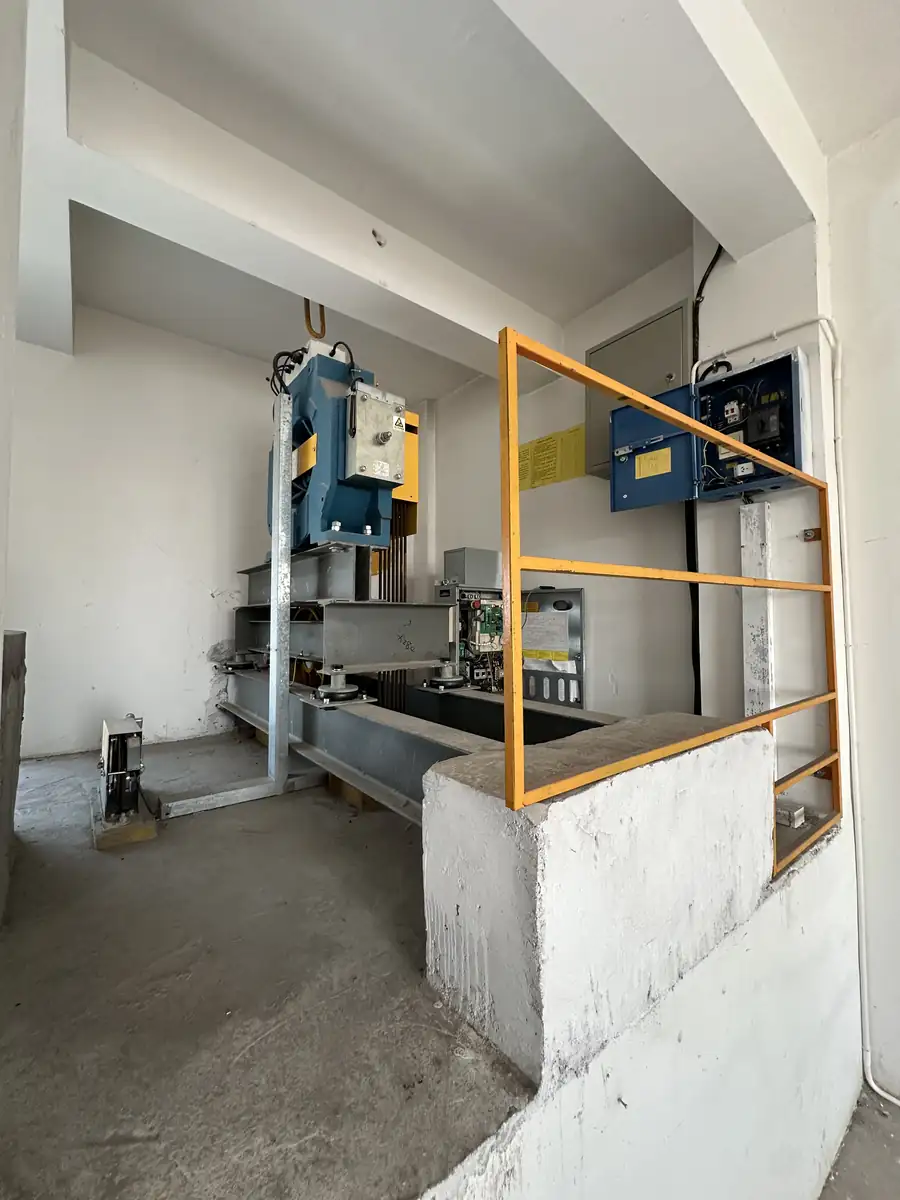
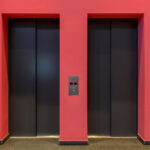
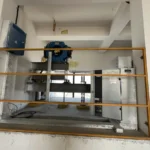
Warehouse dumbwaiter systems are one of the most underused tools in multi-level storage. Where a mezzanine or a raised office sits above the floor, a service lift moves parts, parcels, and stock without fork-truck trips or stair carrying. This article shows where a warehouse dumbwaiter earns its place.
Instead of hauling cartons up stairs or blocking the goods lift, a dedicated warehouse dumbwaiter shuttles replenishments to the mezzanine on demand, keeping pickers stocked without leaving their level.
Maintenance teams use a small lift to send filters, belts, and tools between the workshop and the store, cutting the walk-and-carry time that fragments a repair job.
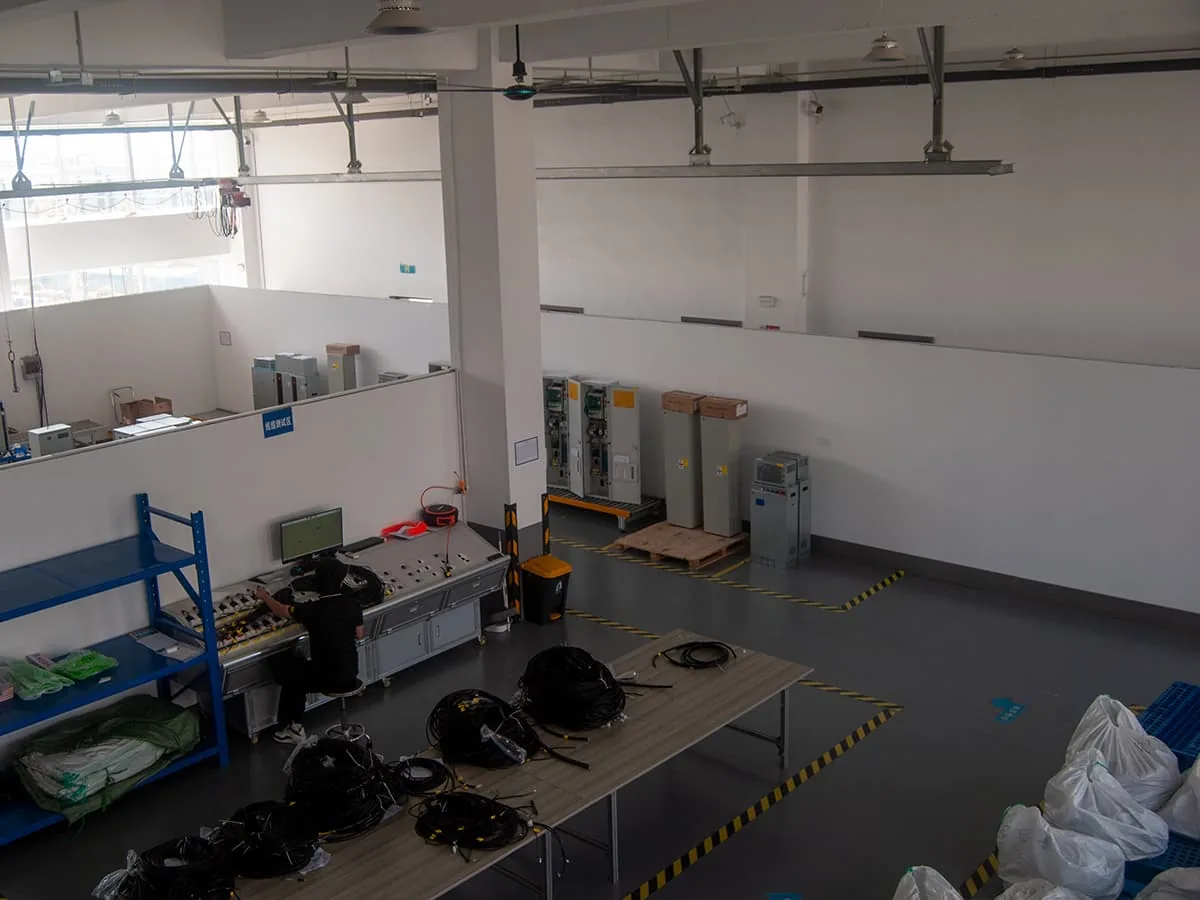
At dispatch, a lift moves packed parcels from a packing mezzanine down to the loading side, smoothing the hand-off to couriers without double-handling.
Carrying cartons on stairs is a top cause of warehouse slips and strains. A lift removes that risk and keeps aisles clear of temporary obstructions.
A dedicated service lift handles the small, frequent moves so the main goods lift stays free for pallets, improving overall flow.
Place the warehouse dumbwaiter where the up-down moves actually start and finish, not in a corner because that is where the shaft was easy. A well-sited lift is used constantly; a remote one is bypassed and the stairs fill up again.
Land it at the mezzanine edge nearest the pick faces and at the floor level nearest dispatch, so the saved walk is real. Pair it with clear signage and a simple call routine, and the behaviour change sticks without supervision.
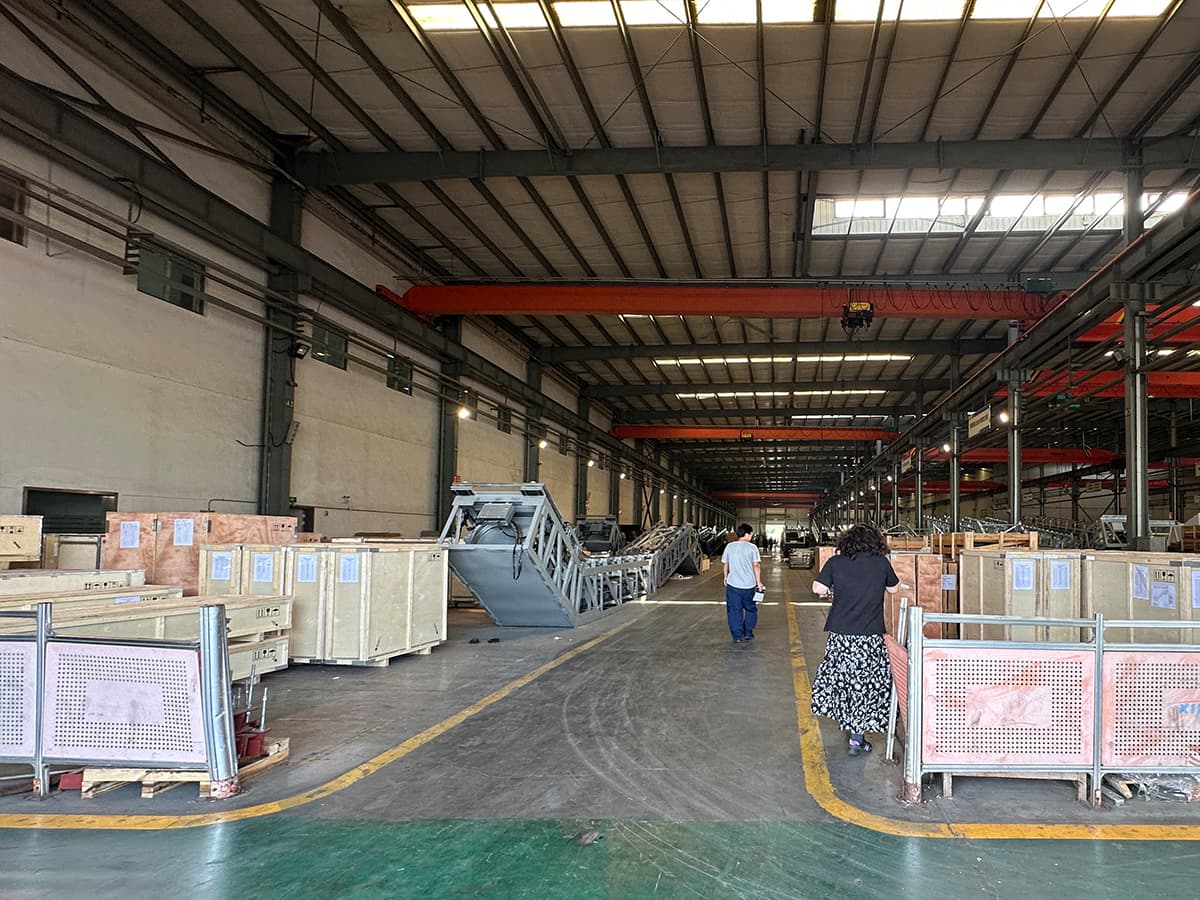
A warehouse dumbwaiter works best when it sits inside the workflow rather than beside it. Align the landings with your pick faces and your dispatch point so the move it serves is the one that actually happens dozens of times a day.
For sites running handheld scanners or a WMS, brief the lift location into the slotting plan so replenishment routes use it naturally. A lift the system expects is a lift the team uses; one parked outside the flow is soon ignored and the stairs fill again.
No, it is for cartons and parts up to its rated capacity; pallets use the goods lift.
Often yes, because parcels can be dense; size the capacity to your heaviest regular tote.
If you have a mezzanine and regular up-down moves, even a small unit pays back through saved labour.
A warehouse dumbwaiter is a focused tool that removes the small, constant up-down moves that drain a storage operation. Right-sized and placed well, it pays back in labour and safety alone. See more settings in our dumbwaiter applications guide.
For related guidance, review our applications guide, and compare drive options on the ServLifts resource. Standards such as ASME A17.1 and the EU Lift Directive 2014/33/EU define the safety baseline we build to.