Address
No.3185 Xizha Rd,Dachuangang, Zhenze,Wujiang,Suzhou,China
Work Hours
24/7 Global Support
Address
No.3185 Xizha Rd,Dachuangang, Zhenze,Wujiang,Suzhou,China
Work Hours
24/7 Global Support
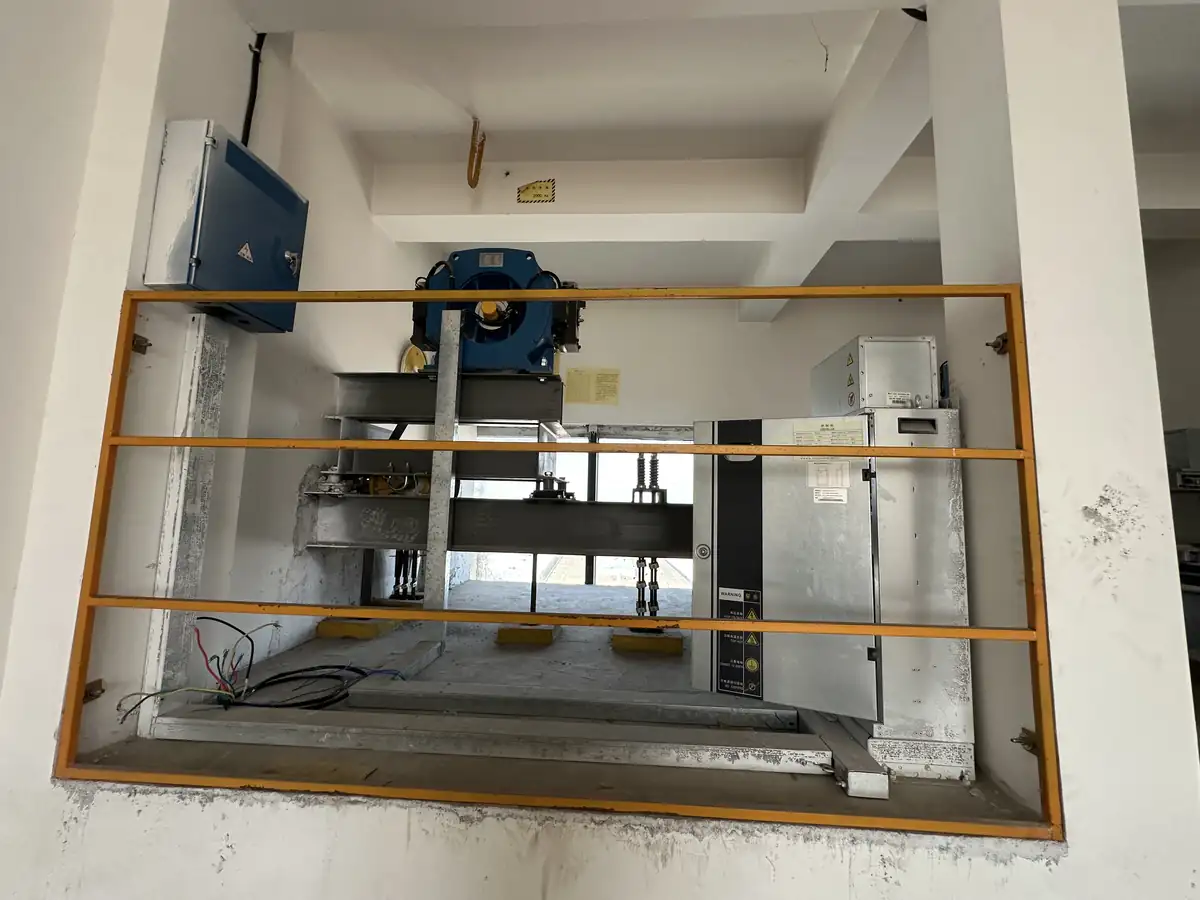
Dumbwaiter accessibility compliance is a frequent point of confusion, because a service lift is not a passenger lift and the rules reflect that. Understanding the distinction prevents both over-specifying and accidental non-compliance. This guide clarifies what accessibility law actually expects of a dumbwaiter.
A dumbwaiter is defined as a lift for goods, not people, and accessibility law for passenger lifts does not apply to it. The car is not sized or equipped for a wheelchair because riders are not permitted.
Although the car is out of scope, the landing and the approach can fall under building access rules if the lift serves a public or employee area. Clear, unobstructed landing access is typically still expected.
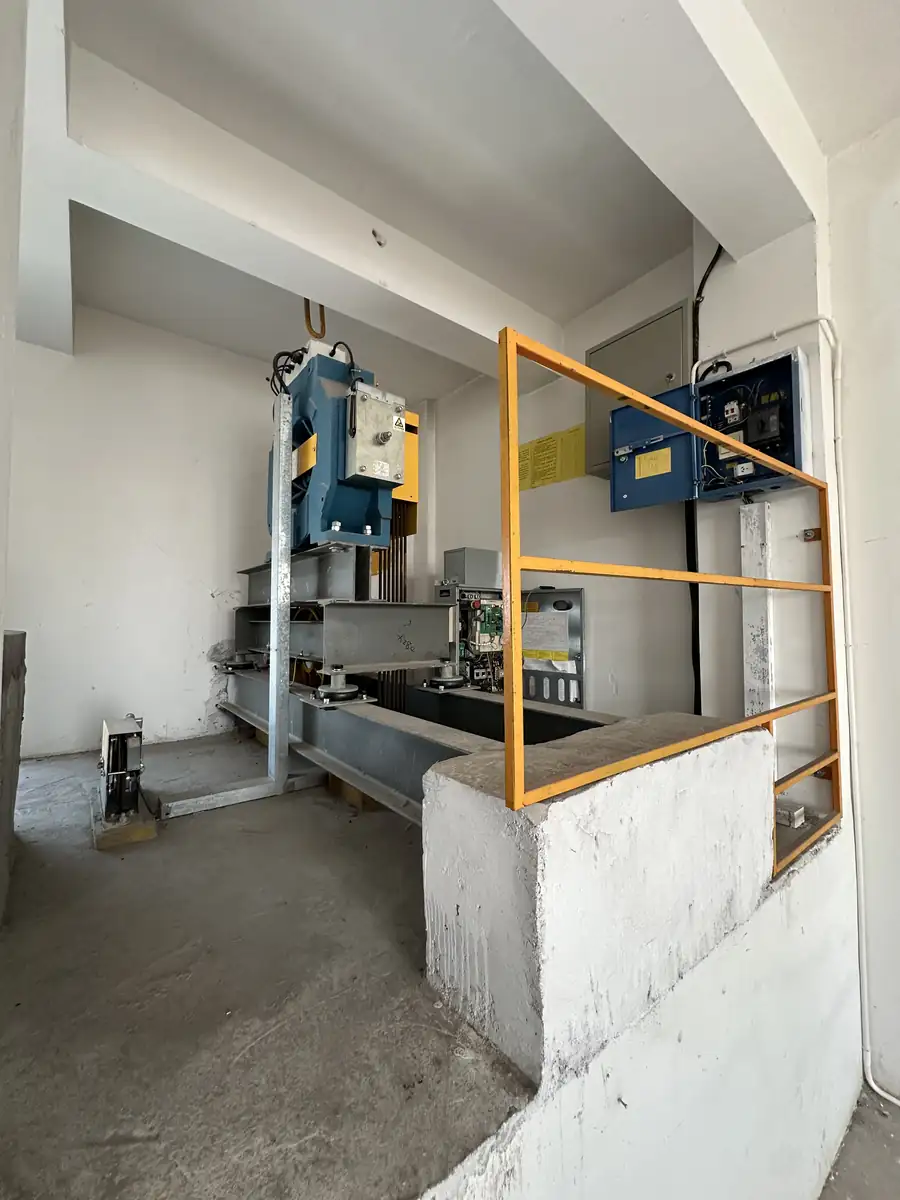
Call stations and controls should be reachable from a standing or seated position per local guidance, so staff with mobility limits can still operate the lift at every landing.
Tactile or high-contrast markers at landings help all users, and some jurisdictions expect them in public buildings even for goods lifts.
Keep the classification record showing the unit is a goods lift, because that determines which rules apply. Misclassification is the usual source of a failed audit.
Because rules vary by jurisdiction, the most reliable step is a short call to the local authority having jurisdiction before you order, so you build to the standard they actually enforce rather than a generic interpretation.
If in doubt, treat the lift as serving people indirectly and keep the landing accessible anyway; over-providing a clear approach costs little and removes the risk that a strict inspector flags the installation. Document the conversation so the decision is defensible later.
A persistent myth is that any lift must be wheelchair-sized; for a goods lift that is both wrong and wasteful, since riders are prohibited and the space is better used for load. Specifying a passenger car ‘just in case’ only costs shaft and money.
Another is assuming accessibility law simply does not apply to back-of-house lifts. The car may be out of scope, but the landing and the approach often are not, so dismissing the topic entirely is what trips up otherwise compliant sites. Classify correctly, then address the landing.
No; a goods lift is not permitted to carry people, and doing so breaches both safety and accessibility classification.
No, because riders are not allowed; specifying one wastes shaft space.
Usually not at employee landings; check local guidance for the exact reach range.
Dumbwaiter accessibility compliance is about correct classification and sensible landing design, not fitting a passenger car. Get the classification on paper, keep landings usable, and you meet the rules without over-building. Our dumbwaiter code requirements guide covers the broader standards.
For related guidance, review our code requirements guide, and compare drive options on the ServLifts resource. Standards such as ASME A17.1 and the EU Lift Directive 2014/33/EU define the safety baseline we build to.