Address
No.3185 Xizha Rd,Dachuangang, Zhenze,Wujiang,Suzhou,China
Work Hours
24/7 Global Support
Address
No.3185 Xizha Rd,Dachuangang, Zhenze,Wujiang,Suzhou,China
Work Hours
24/7 Global Support
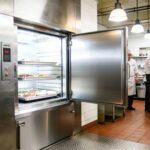
Custom dumbwaiter and OEM work lets you specify a lift that a catalogue model cannot, whether the constraint is an odd shaft, a harsh environment, or a private-label program. Most manufacturers can adapt far more than buyers assume. This guide covers when to go custom and what to ask for.
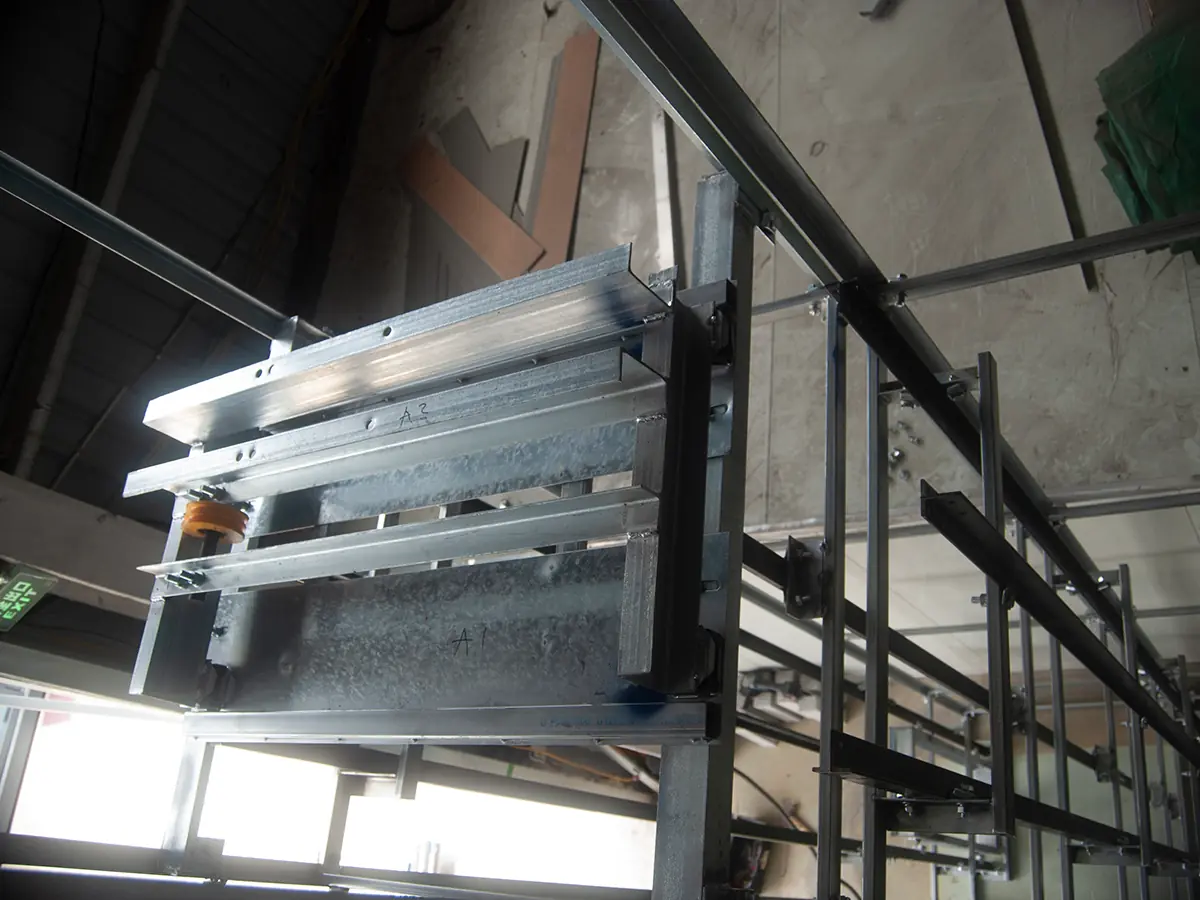
A non-standard opening, an unusually deep car, or a tight shaft often rules out stock models. A custom dumbwaiter reshapes the car and frame to the space instead of rebuilding the building around a standard box.
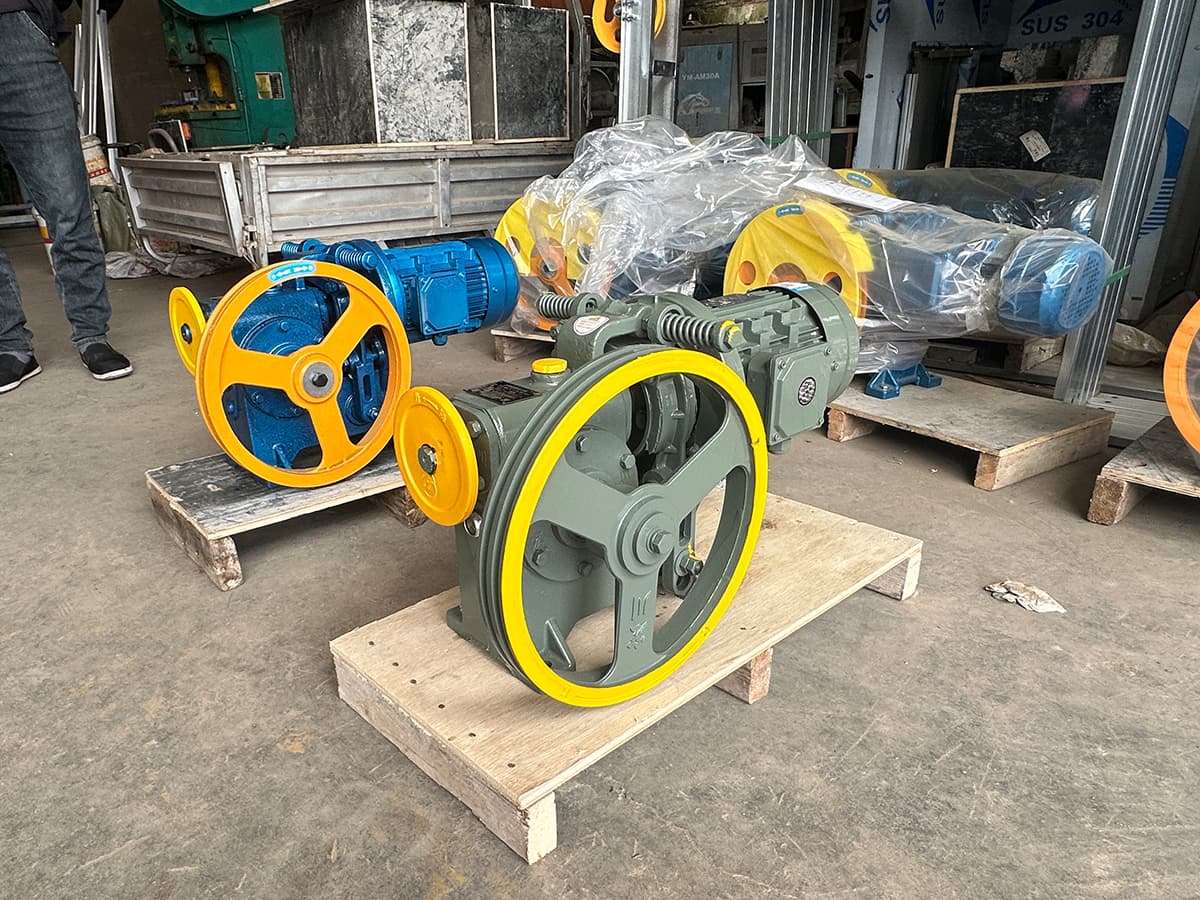
Food, lab, and marine sites may need higher-grade stainless, sealed drives, or washdown finishes. Specifying the grade up front avoids a corrosion problem two years later.
Distributors and brands use OEM supply to sell a lift under their own name with their documentation. A capable factory supports the labelling, the manuals, and the certification traceability this requires.
A custom unit can align with a conveyor, a pass-through window, or a mezzanine layout so the lift becomes part of the process rather than a bolt-on.
Custom work adds engineering and tooling time, but for the right site it is cheaper than civil modification. Agree the drawings before production to avoid surprises.
A custom dumbwaiter succeeds or fails on the brief. Give the supplier the actual site drawing, the rated load, and the finish grade in writing, and list the equipment it must align with, so the design starts from facts rather than assumptions.
Ask for a 3D drawing before steel is cut, and approve it explicitly; that drawing is your protection if the built unit does not match what you imagined. A clear brief and a signed drawing turn custom work from risky to routine.
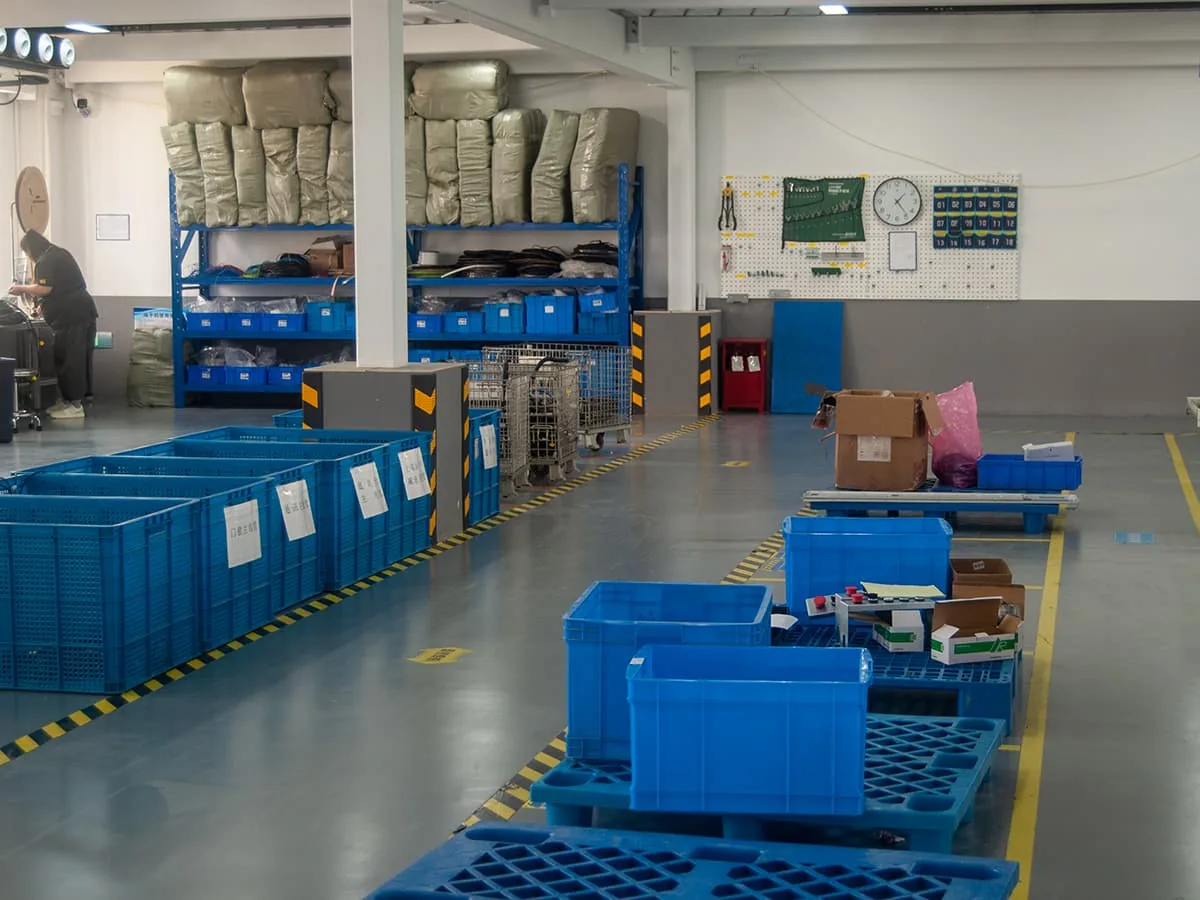
Once the drawing is signed, hold the factory to a build milestone update so you are not surprised by a slipped date. A short weekly note during production keeps a custom order on track without micromanaging the shop.
For OEM programs, agree the documentation ownership and the spare-parts list before volume starts, because a private-label line lives or dies on consistent manuals and available parts. Good project discipline turns a one-off custom into a repeatable supply.
Often only modestly, because the change is mostly in the drawing, not the components.
Yes, that is the OEM part; confirm labelling and manual ownership in the contract.
A signed drawing and a pre-production sample lock the details before volume build.
A custom dumbwaiter or an OEM program solves the sites and the brands that standard boxes cannot. Define the constraint, agree the drawing, and the uplift in cost is usually small against the alternative of rebuilding the space. Our buying guide helps you frame the specification.
For related guidance, review our buying guide, and compare drive options on the ServLifts resource. Standards such as ASME A17.1 and the EU Lift Directive 2014/33/EU define the safety baseline we build to.