Address
No.3185 Xizha Rd,Dachuangang, Zhenze,Wujiang,Suzhou,China
Work Hours
24/7 Global Support
Address
No.3185 Xizha Rd,Dachuangang, Zhenze,Wujiang,Suzhou,China
Work Hours
24/7 Global Support
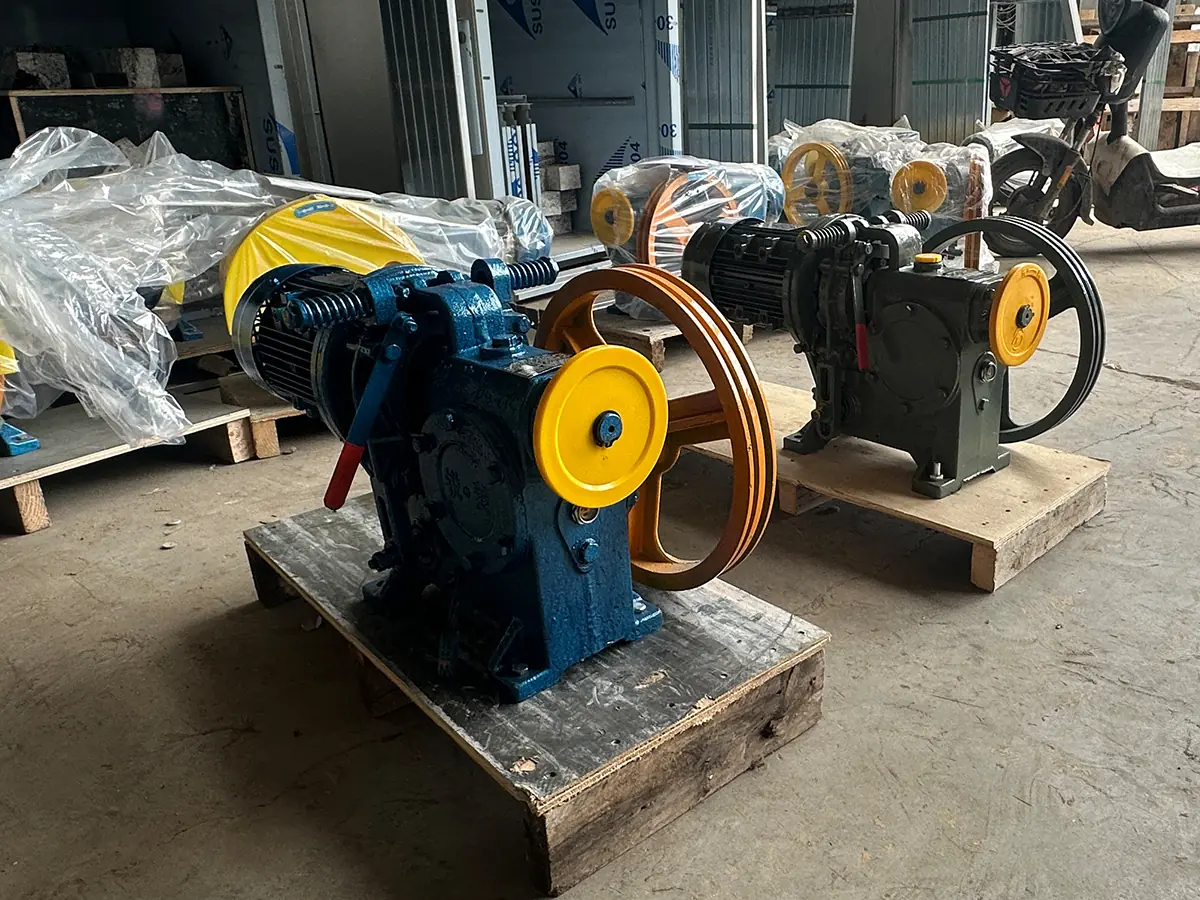
Gearless vs geared dumbwaiter is the next decision after you have chosen traction over hydraulic. Both move the car with a rope and counterweight, but the machine design changes efficiency, noise, and footprint. This comparison helps you pick the right drive for your building.
A geared machine uses a motor through a reduction gearbox; a gearless machine mounts the rope directly on the motor drum. The gearless unit has fewer wearing parts and runs at the motor’s own speed.
Gearless drives lose less in transmission and are the more efficient choice, especially on taller travels where the gearbox loss compounds. Lower energy also means less heat in the shaft.
With no gear mesh, a gearless machine is quieter and smoother, a real advantage next to offices or guest rooms where a geared whine would be noticed.
Gearless machines are more compact, easing the overhead space requirement; the trade is usually a higher component cost than a geared unit.
Geared machines cost less up front and are simpler to service in some regions; gearless units cost more but need less maintenance over life because there is no gearbox to overhaul.
Start the decision from the building, not the price list: count the floors the lift serves, note how close the machine sits to quiet rooms, and estimate how long you will keep the asset. Those three answers usually point clearly to one drive.
If the numbers are close, lean gearless where noise or height is a factor and geared where budget dominates a short, simple run. Either way, specify the rating and the safety devices identically, because the drive choice does not change the code you must meet.
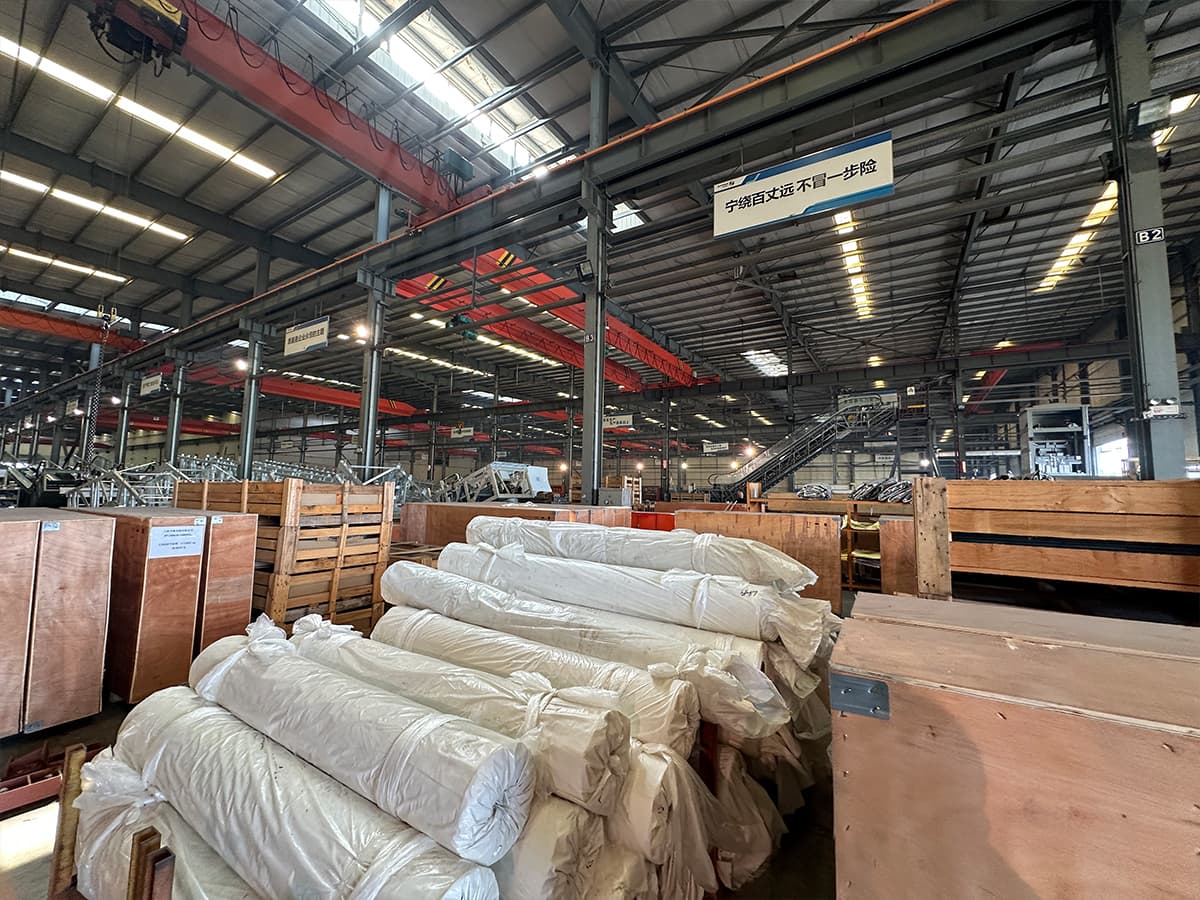
When replacing an old machine, the existing shaft often dictates the drive: a tight overhead favours the compact gearless, while a roomy machine space leaves the choice open. Measure the real envelope before assuming either fits.
If the asset is being kept for the long haul, favour the lower-maintenance gearless despite the higher price, because the gearbox overhaul you avoid pays back over the extended life. Match the replacement to both the space and the holding period.
Geared is often enough and cheaper; gearless pays off on taller travels or noise-sensitive sites.
Through lower energy and fewer gear overhauls, often yes over a fifteen-year life.
Yes, both are traction machines and meet the same safety standards when correctly specified.
The gearless vs geared dumbwaiter choice is a balance of upfront cost, noise, and life-cycle care. Quiet, tall, or energy-focused sites lean gearless; simple low-rise budgets lean geared. See our hydraulic vs traction guide for the bigger drive decision behind this one.
For related guidance, review our hydraulic vs traction guide, and compare drive options on the ServLifts resource. Standards such as ASME A17.1 and the EU Lift Directive 2014/33/EU define the safety baseline we build to.