Address
No.3185 Xizha Rd,Dachuangang, Zhenze,Wujiang,Suzhou,China
Work Hours
24/7 Global Support
Address
No.3185 Xizha Rd,Dachuangang, Zhenze,Wujiang,Suzhou,China
Work Hours
24/7 Global Support
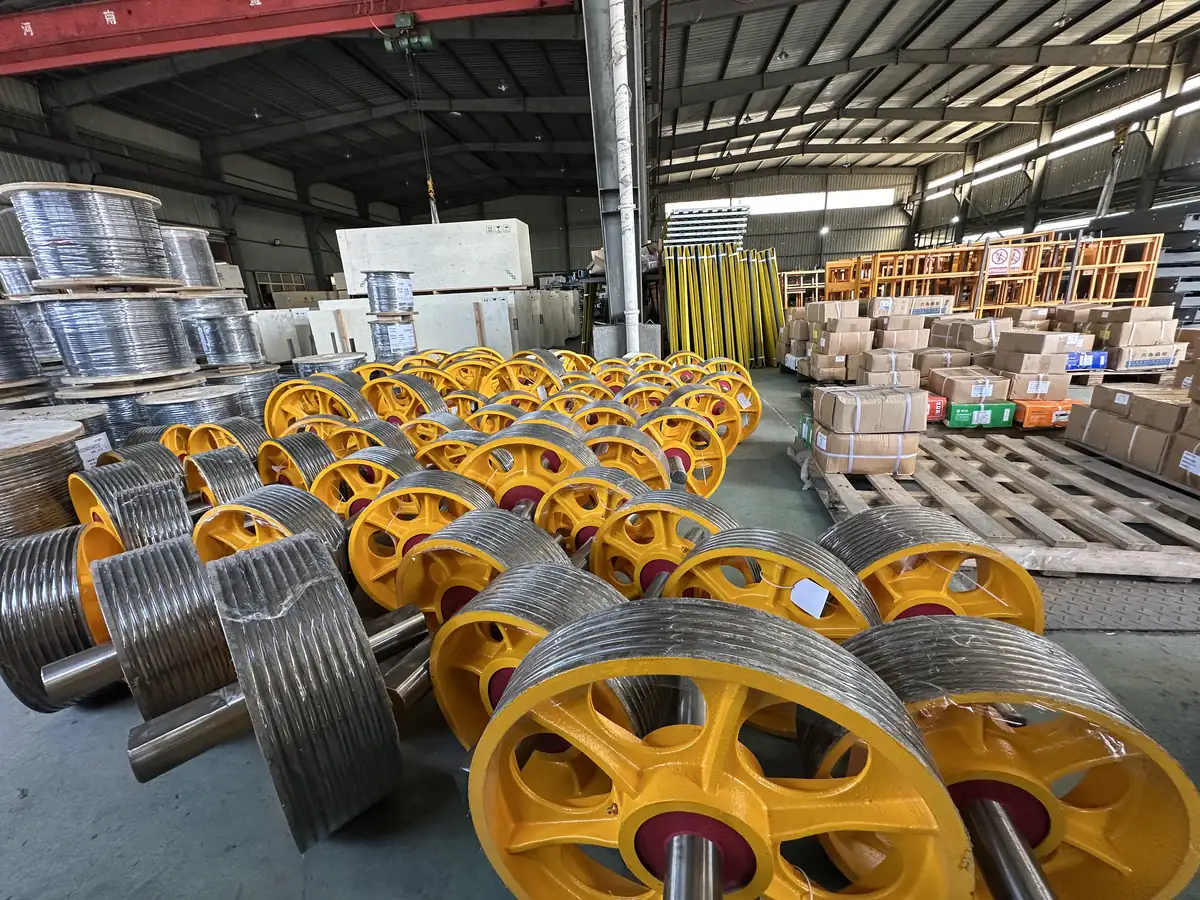
Dumbwaiter troubleshooting starts with isolating the symptom before touching anything live. Most service-lift stoppages are simple—a stuck door, a tripped breaker, or a worn call button—and a calm, methodical check restores service in minutes. This guide lists the eight faults we see most and the safe way to handle each.
Check for an obstruction in the sill, a misaligned striker plate, or a painted-over lock. Clear debris, realign the plate, and retest the interlock before using the car again.
Confirm the dedicated breaker is on and the supply voltage matches the nameplate. A tripped GFCI or a loose terminal is a frequent, easily fixed cause of a dead panel.
A single dead landing usually means a failed button or a broken wire at that station. Swap the button or check continuity; do not bridge the circuit to make it work.
Often a limit switch or a rope-length issue. Re-zero the position and inspect the switches. If it recurs, stop use and call for service.
Grinding or knocking points to a guide shoe, a worn bearing, or a slack rope. Investigate before continued use, because noise is an early failure warning.
Check the supply voltage under load and the brake release. Low voltage or a sticking brake reduces torque and slows the car.
Read the code against the manual; most are positional or communication faults that clear after a controlled reset once the cause is removed.
Drain and clean, then dry the safeties. Standing water in the pit accelerates corrosion and trips sensors.
Keep a one-page log of every fault: date, symptom, what you did, and whether it returned. A pattern in the log tells the technician exactly where to look, which shortens the visit and the downtime.
When the same fault recurs, do not keep resetting it; hand the log to a qualified service provider and let them trace the root cause. A recurring fault is a design or wear issue, not bad luck, and fixing it once is cheaper than living with it.
Only after you have identified and removed the cause. A blind reset masks the problem and can be unsafe.
Any fault that returns, any movement with a door open, or any electrical burning smell means stop and call a technician.
A simple scheduled cleaning and inspection routine removes the debris and wear that cause the majority of stoppages.
Good dumbwaiter troubleshooting is mostly discipline: identify the cause, fix it safely, and log what you found. Most stoppages are minor, but any recurring or safety-related fault deserves a professional visit. Our dumbwaiter maintenance guide covers the preventive routine that keeps these faults rare.
For related guidance, review our maintenance guide, and compare drive options on the ServLifts resource. Standards such as ASME A17.1 and the EU Lift Directive 2014/33/EU define the safety baseline we build to.