Address
No.3185 Xizha Rd,Dachuangang, Zhenze,Wujiang,Suzhou,China
Work Hours
24/7 Global Support
Address
No.3185 Xizha Rd,Dachuangang, Zhenze,Wujiang,Suzhou,China
Work Hours
24/7 Global Support
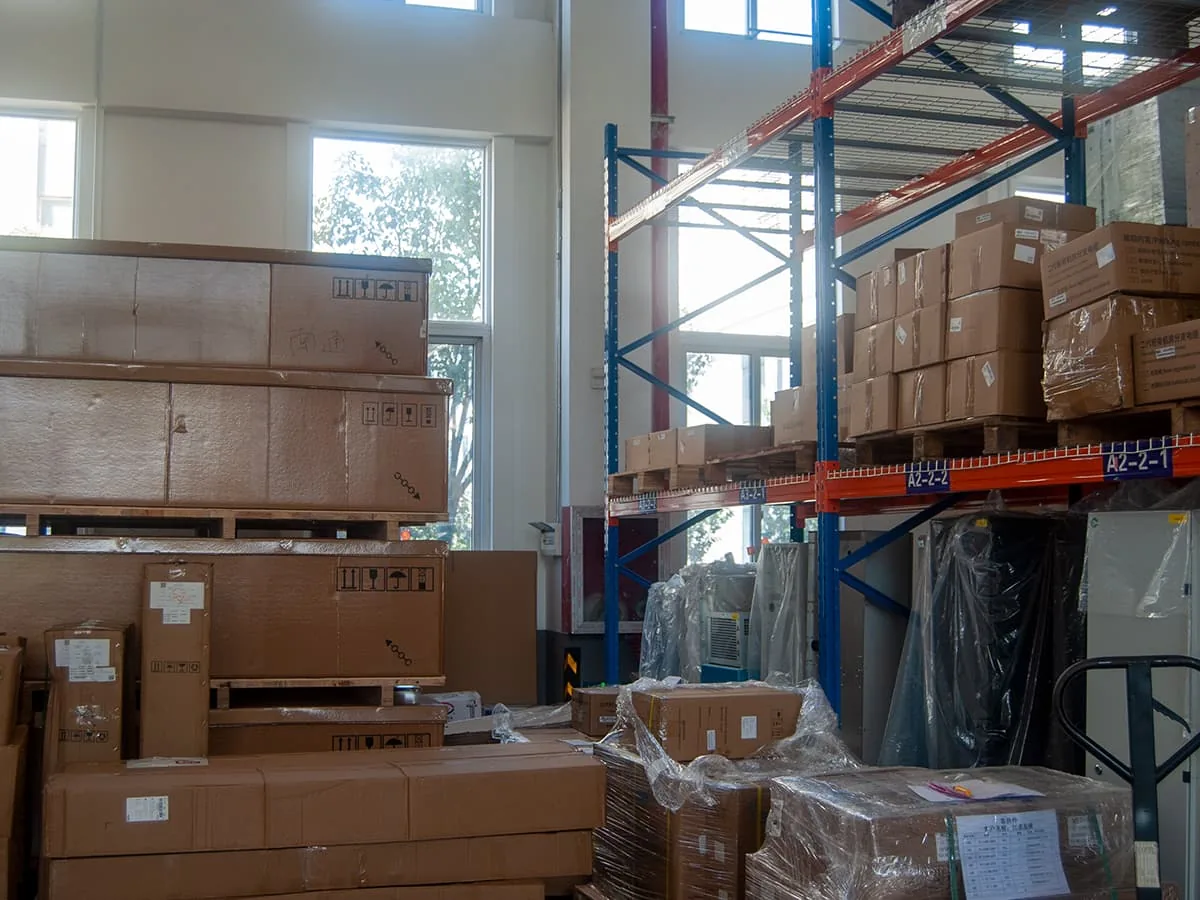
Fire-rated dumbwaiter specifications are not optional in most commercial buildings—they are written into the fire strategy. When a service lift passes through fire compartments, the opening must resist fire spread just like any other penetration. This guide covers the five points that keep your installation compliant and insurable.
A dumbwaiter shaft is a vertical channel that can carry smoke and flame between floors. Building codes therefore treat the shaft and its doors as part of the fire separation, so a fire-rated dumbwaiter is required wherever the lift bridges protected compartments.
Each landing door should carry the same fire rating as the wall around it and close automatically, usually on a fusible link or a release device. A door that is propped open destroys the compartment and fails inspection.
The hoistway walls, whether masonry, stud, or shaft-panel, must meet the required resistance, and every cable and conduit penetration is sealed with approved firestop. Gaps around the shaft are the most overlooked failure point.
Some jurisdictions require shaft venting or sprinkler protection inside the hoistway. Confirm with the local authority having jurisdiction, because requirements vary by floor count and occupancy.
Retain the door rating certificates, the installation record, and the inspection sign-off. Inspectors ask for these years later, and missing paper is treated as non-compliance.
Fire ratings are expressed as a tested duration, commonly thirty, sixty, or ninety minutes of integrity, and the value you need depends on building height, occupancy, and the fire strategy drawn by your designer. A two-stop cafe mezzanine and a multi-floor care home are not the same risk, so do not lift a rating from another project.
Agree the number with the authority having jurisdiction before you place the order, because specifying too low fails the inspection and specifying too high wastes budget on doors and seals you did not need. A short conversation with your inspector early prevents an expensive change order after the shaft is built.
The premium is mostly in the rated doors and certified seals, typically a modest add-on versus a non-rated unit of the same size.
Sometimes, by upgrading doors and sealing the shaft, but only an inspector can confirm it meets the current rating.
No. Material and fire rating are separate; a stainless car still needs rated doors and a rated shaft.
A fire-rated dumbwaiter protects lives and keeps your occupancy permit valid. Specify the rating in writing, use certified doors, and seal the shaft properly. Our dumbwaiter code requirements guide goes deeper into the standards you should reference.
For related guidance, review our code requirements guide, and compare drive options on the ServLifts resource. Standards such as ASME A17.1 and the EU Lift Directive 2014/33/EU define the safety baseline we build to.