Address
No.3185 Xizha Rd,Dachuangang, Zhenze,Wujiang,Suzhou,China
Work Hours
24/7 Global Support
Address
No.3185 Xizha Rd,Dachuangang, Zhenze,Wujiang,Suzhou,China
Work Hours
24/7 Global Support
Dumbwaiter installation requirements are the first thing you should confirm before you sign a purchase order, because most site problems surface only after the cabinet has shipped. A service lift is a permanent building fixture, and getting the opening right saves you from costly rework. In this guide we walk through the seven checks every buyer should complete with their contractor and supplier.
The most basic of the dumbwaiter installation requirements is the hoistway opening. You need a clear vertical shaft with the exact width, depth, and height your model specifies, plus a small tolerance for the guide rails. Always confirm the finished opening against the factory drawing, not a generic estimate, and our shaft size guide explains how to measure it correctly before you commit.
Every model needs a pit at the bottom and clear headroom at the top. The pit collects the car at the lowest landing and houses the safeties; the overhead gives the drive and counterweight room to travel. Skipping these two numbers is the most common reason an otherwise good lift cannot be commissioned on site.
A three-phase supply is standard for most commercial units, and you must provide a dedicated circuit with proper earthing. Confirm voltage and frequency with the factory, because a mismatch means a rewind or a replacement control cabinet after delivery.
Match the rated capacity to the heaviest tray, cart, or pot you will actually move. Oversizing wastes shaft space; undersizing forces overloading, which is both unsafe and a code violation. Pick the smallest car that fits your largest load.
Each landing needs a compliant door with an electromechanical interlock so the car cannot move unless every door is closed and locked. This is a safety-critical part of the dumbwaiter installation requirements and is verified during inspection.
Food and lab applications need washable stainless surfaces and sometimes local exhaust. If the shaft passes through a humid zone, plan drainage so a leak cannot pool in the pit.
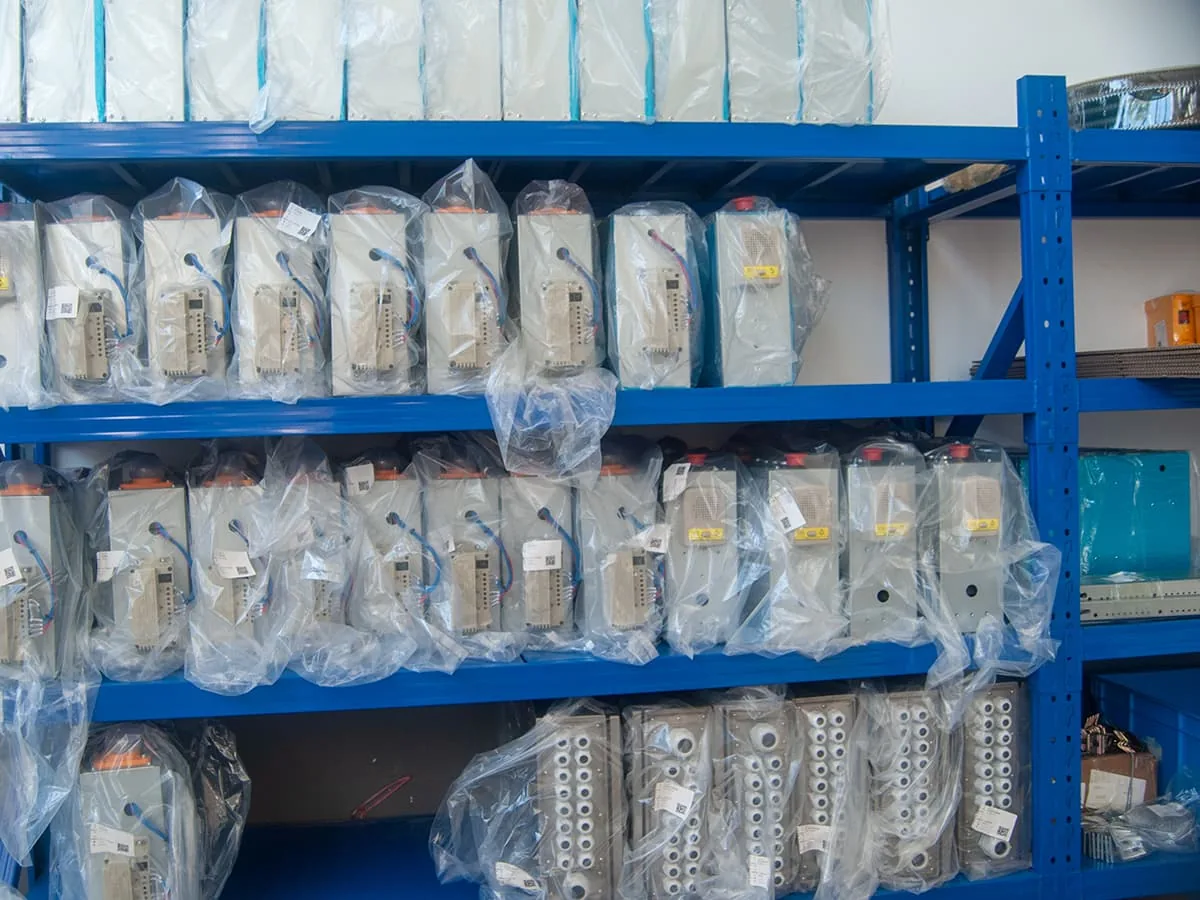
Leave a path wide enough to bring the car and drive in, and to remove them later. Tight stairwells turn a routine service visit into a demolition job.
Yes, but only after a site survey. Retrofit shafts are common; the constraint is usually pit depth and overhead, which can be solved with a shallow-pit kit or a machine-room-less drive.
The buyer provides the civil works (opening, pit, power) to the factory drawing. The supplier provides the lift and confirms the dimensions. Miscommunication here causes most delays.
Typically one to two weeks for the civil opening and power, then one to three days for the lift fit-out, depending on floors and access.
Meeting the dumbwaiter installation requirements up front is far cheaper than fixing a wrong shaft later. Work from the factory drawing, agree the civil scope in writing, and your commissioning will be smooth. For a full pre-order checklist, see our dumbwaiter installation guide.
For related guidance, review our shaft size guide, and compare drive options on the ServLifts resource. Standards such as ASME A17.1 and the EU Lift Directive 2014/33/EU define the safety baseline we build to.