Address
No.3185 Xizha Rd,Dachuangang, Zhenze,Wujiang,Suzhou,China
Work Hours
24/7 Global Support
Address
No.3185 Xizha Rd,Dachuangang, Zhenze,Wujiang,Suzhou,China
Work Hours
24/7 Global Support
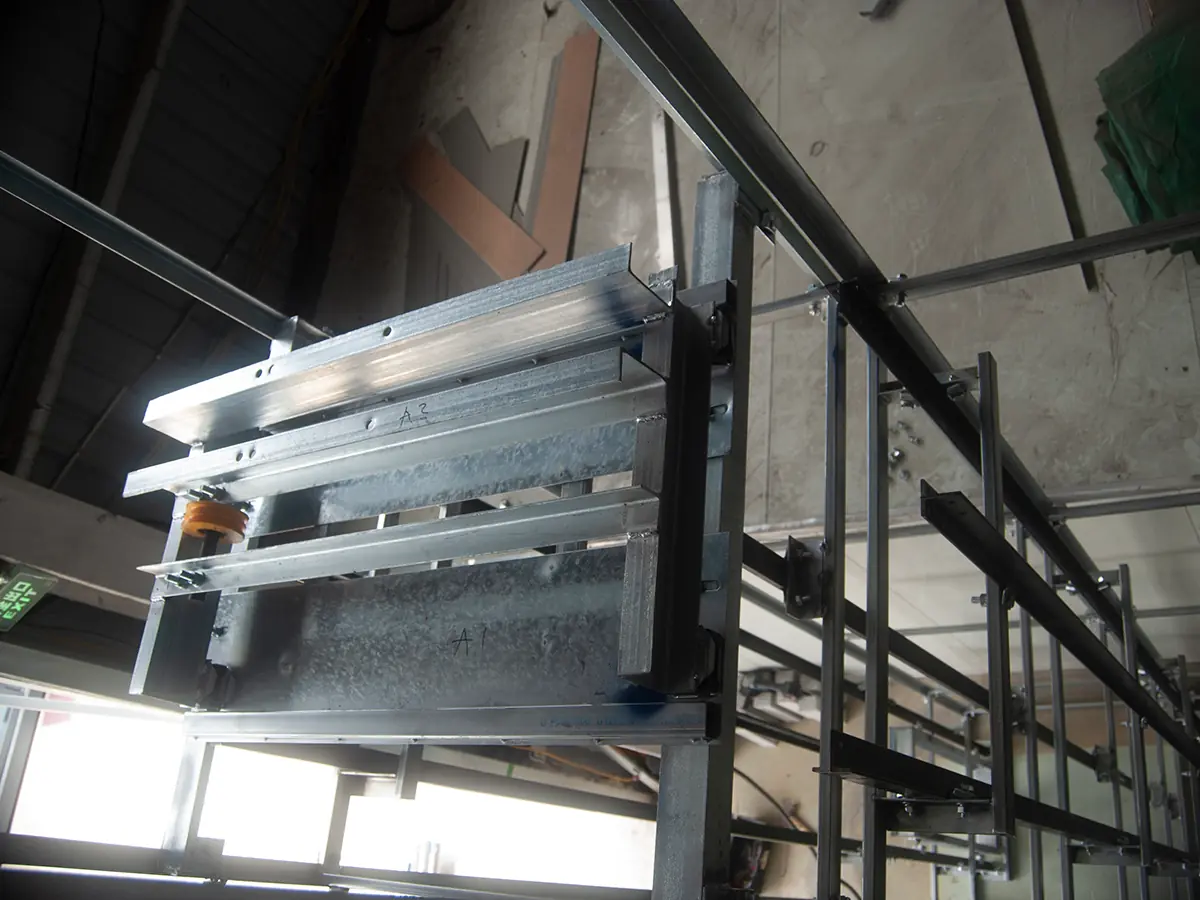
Dumbwaiter inspection checklist knowledge helps you pass first time and avoid the re-inspection fees that follow a failed visit. Inspectors follow a fixed routine focused on the items that hurt people, so knowing it lets you pre-check the same things. Here is what they actually look at.
The inspector confirms the car cannot move with any door open and that every door unlocks only at its landing. This is the first and most heavily weighted check on any dumbwaiter inspection checklist.
The overspeed device and the holding brake are tested so the car cannot run away or drift. A brake that slips fails immediately.
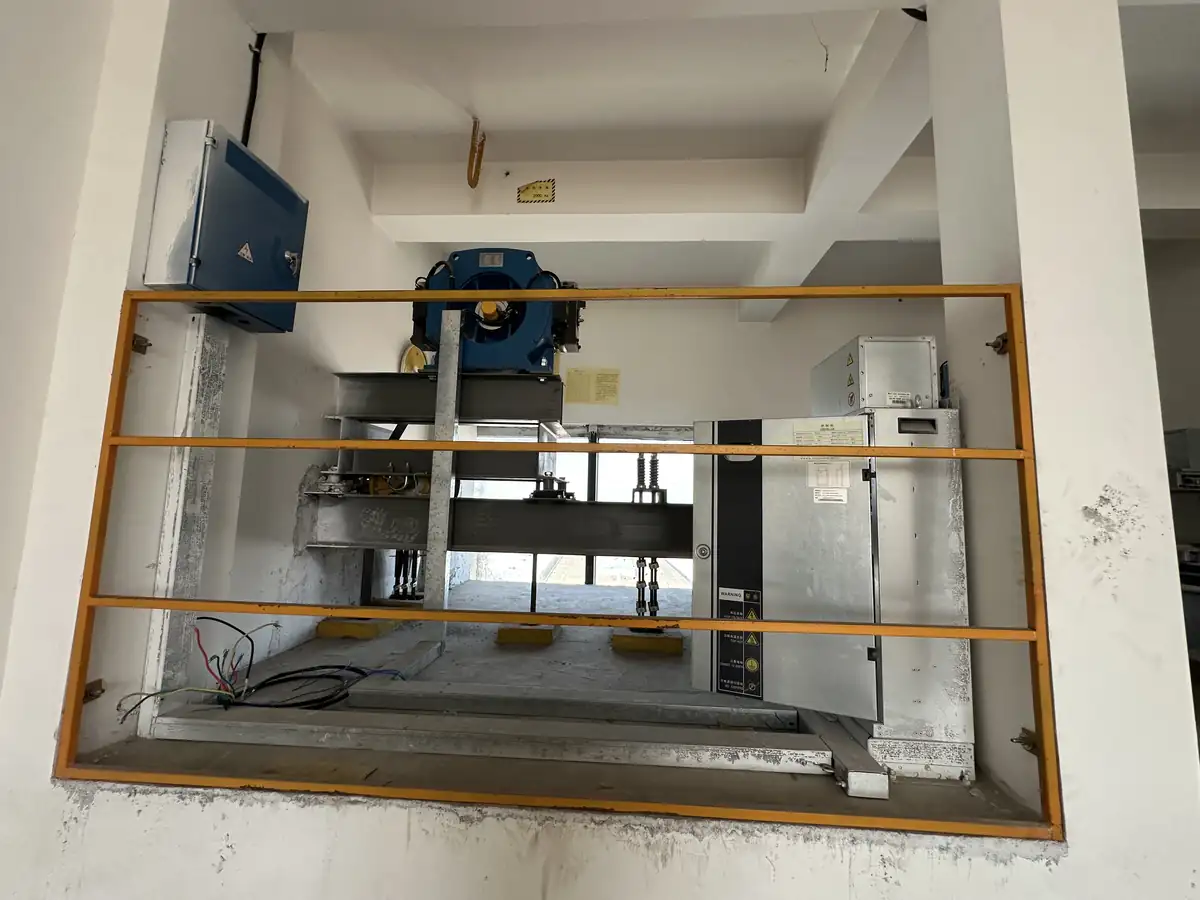
Wear on ropes, alignment of rails, and the integrity of the shaft are examined for anything that could let the car bind or fall.
The controller, emergency stop, and call system are checked for correct operation and proper earthing. Bodged wiring is a common fail.
The nameplate, the certificate, and the service log are reviewed. A missing log is often treated as a fail even when the machine is sound.
Store the log and the certificate together, near the lift or in a shared folder, so they are found in minutes on inspection day. A frantic search for paperwork is what turns a clean machine into a failed visit.
Update the log after every service, even a simple lamp change, because the inspector reads the pattern of care as much as the individual entries. A thin but current log beats a thick one that stops two years ago.
Passing is not the end of the story; the actions the inspector notes, even minor ones, should be closed and recorded before they become the reason for a fail next time. A clean log of corrections shows a maintained asset.
Schedule the next inspection date the day you pass, and set a reminder a month ahead so the pre-checks happen. Continuity is what keeps a site from lapsing into the panic-and-scramble cycle that produces avoidable failures.
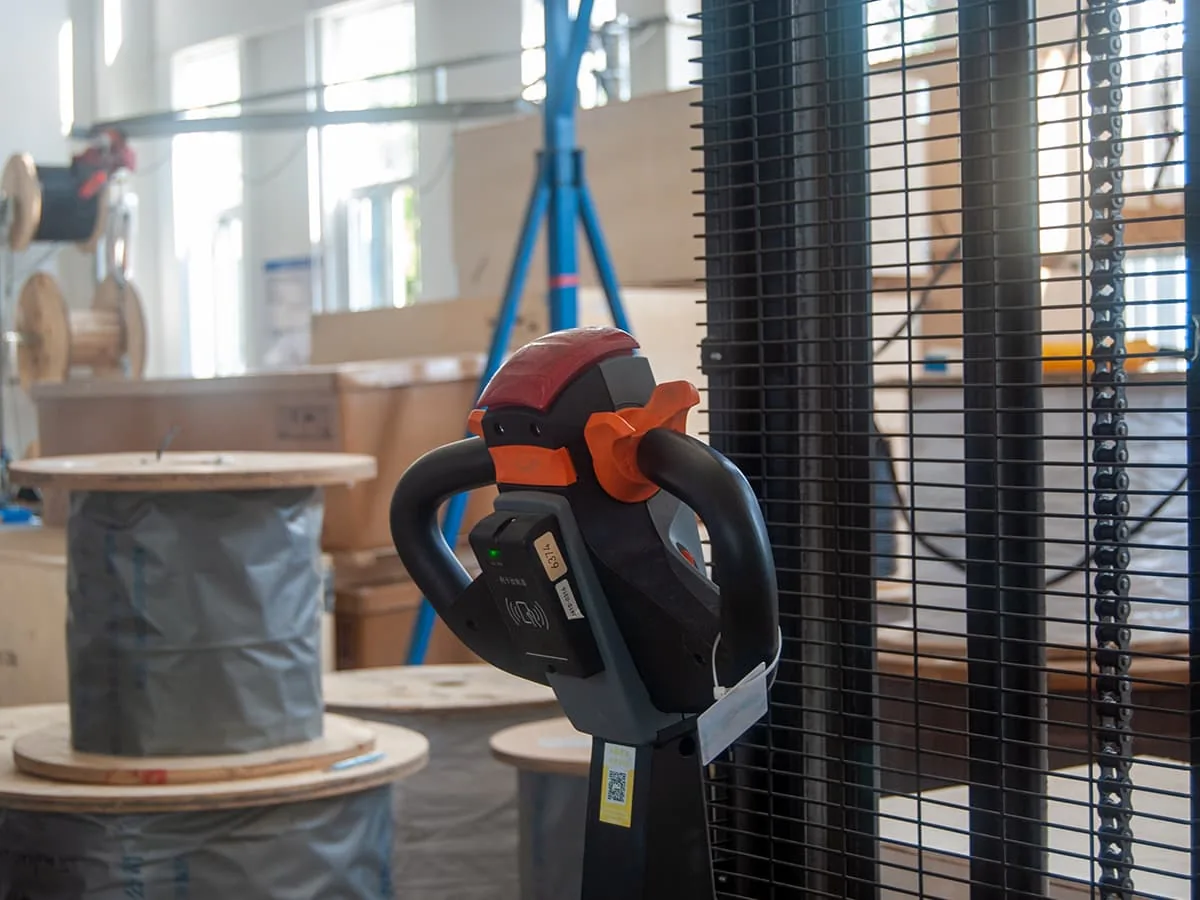
In the week before the inspector arrives, walk the same items yourself with the checklist in hand, because a fault you find is a fault you fix for free rather than one that triggers a tagged-out lift.
Pay special attention to the interlocks and the log, the two items that fail most often and are the easiest to put right in advance. A calm self-audit turns inspection day into a formality.
Typically annually, and sometimes more often in high-use or public buildings; follow your local rule.
The lift is tagged out until corrected; fix the item and book a re-inspection.
Yes, walk the dumbwaiter inspection checklist monthly so inspection day holds no surprises.
A clear dumbwaiter inspection checklist is your best defence against a failed visit and the downtime that follows. Pre-run the same checks the inspector will, keep the records current, and the certificate is a formality. Our testing and inspection guide explains the factory-side verification too.
For related guidance, review our testing and inspection guide, and compare drive options on the ServLifts resource. Standards such as ASME A17.1 and the EU Lift Directive 2014/33/EU define the safety baseline we build to.