Address
No.3185 Xizha Rd,Dachuangang, Zhenze,Wujiang,Suzhou,China
Work Hours
24/7 Global Support
Address
No.3185 Xizha Rd,Dachuangang, Zhenze,Wujiang,Suzhou,China
Work Hours
24/7 Global Support
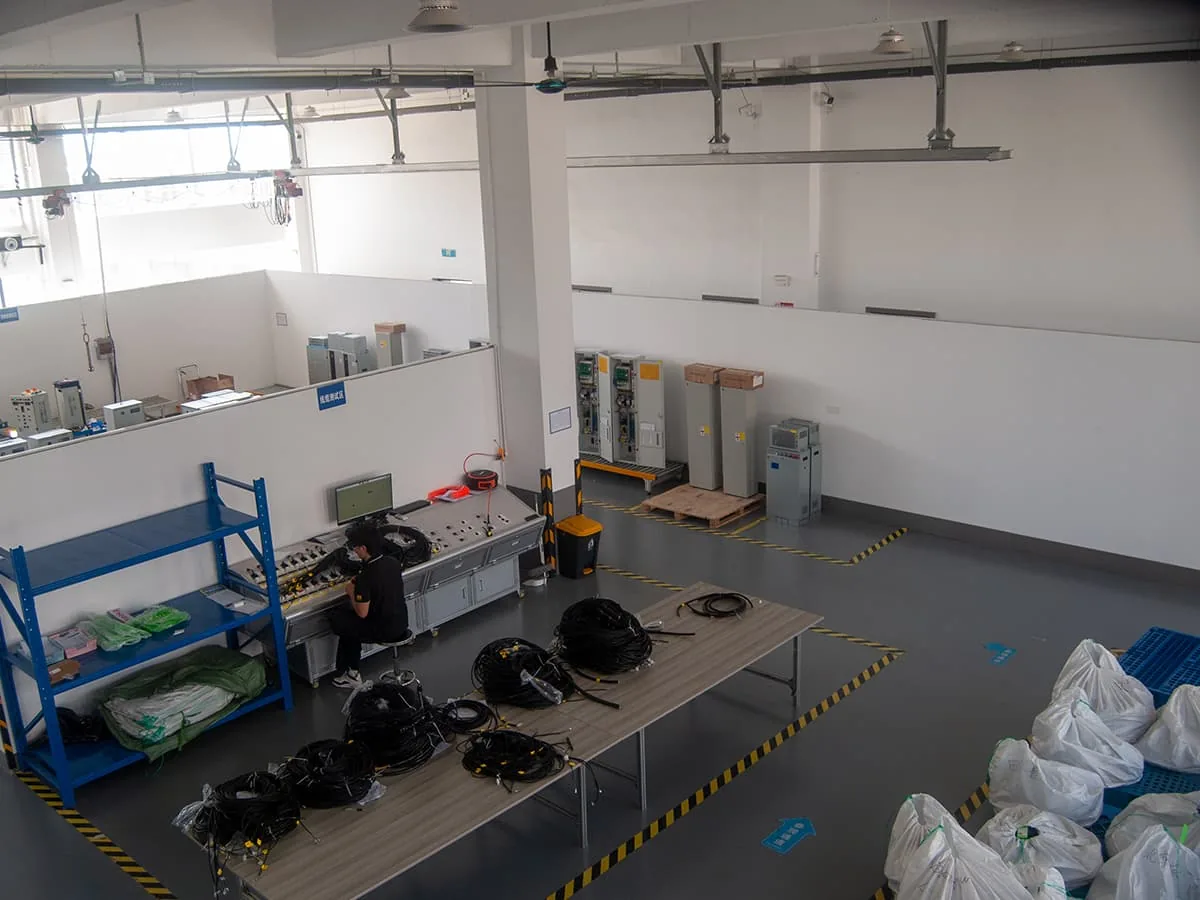
Dumbwaiter travel height—the vertical distance the car covers—shapes the drive, the speed, and the cost of your lift. A two-stop lift and a ten-stop lift are different machines, and understanding the limit helps you spec the right one. This article explains what sets the ceiling on travel.
Travel height is the distance from the car floor at the lowest landing to the car floor at the highest, plus the pit and the overhead. It is not simply the building height; the pit and the machine space add to the shaft.
Traction units with counterweights suit taller travels efficiently, while simpler drum or chain drives are common on shorter runs. Beyond a certain height, traction becomes the only economical choice.
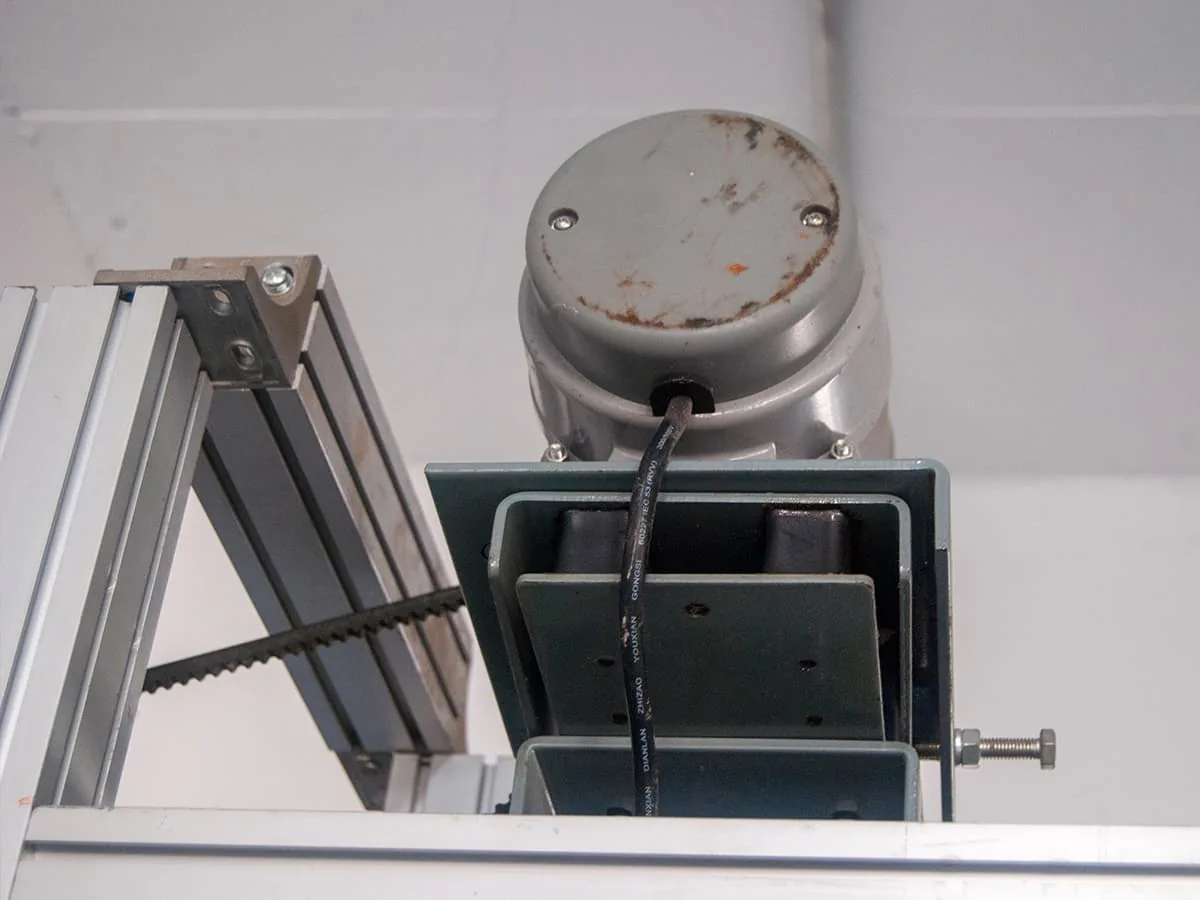
Taller travels need a higher rated speed so staff are not waiting, but speed is capped by code for service lifts. Balancing speed against cost is part of the spec.
Longer travels demand precise rail alignment and rope management; small errors multiply over height and cause noise or wear. This is where fabrication quality matters most.
Every extra floor adds rail, rope, door, and call-station cost, and a taller shaft needs stronger anchoring. Knowing the real travel height keeps the quote honest.
When you brief the supplier, give the finished floor levels rather than a rough storey count, because the number of floors alone hides the actual metres of travel. Include the pit depth you can provide and the overhead you have, so the quote matches your building.
If you expect to add floors later, say so up front; sizing the drive and the rope for future growth is far cheaper than a retrofit. A five-minute exchange on height saves a wrong machine and a reordered shaft.
Travel height decisions echo for the life of the lift, so treat them as permanent. A shaft sized exactly to today’s floors leaves no room if the business grows, while a modest allowance now is cheap insurance against a costly rebuild later.
Where the structure allows, specify the drive and rope for one or two extra stops even if unused at first; the incremental cost at build time is a fraction of retrofitting. Planning height with the next decade in mind keeps the asset flexible.
No fixed cap, but practical and code limits make very tall service lifts uneconomic; discuss your building with the factory.
Yes, roughly in proportion to added rail, rope, and doors, so confirm the exact travel early.
Sometimes, if the shaft and drive were sized for it; retrofitting beyond the original design is rarely economical.
Dumbwaiter travel height defines the machine more than almost any other number, so measure it carefully and match the drive to the floors you serve. Use our dumbwaiter dimensions guide alongside this when sizing the shaft.
For related guidance, review our dimensions guide, and compare drive options on the ServLifts resource. Standards such as ASME A17.1 and the EU Lift Directive 2014/33/EU define the safety baseline we build to.